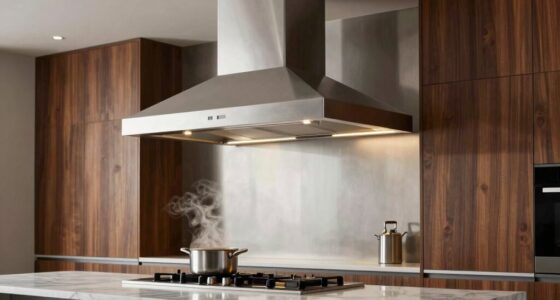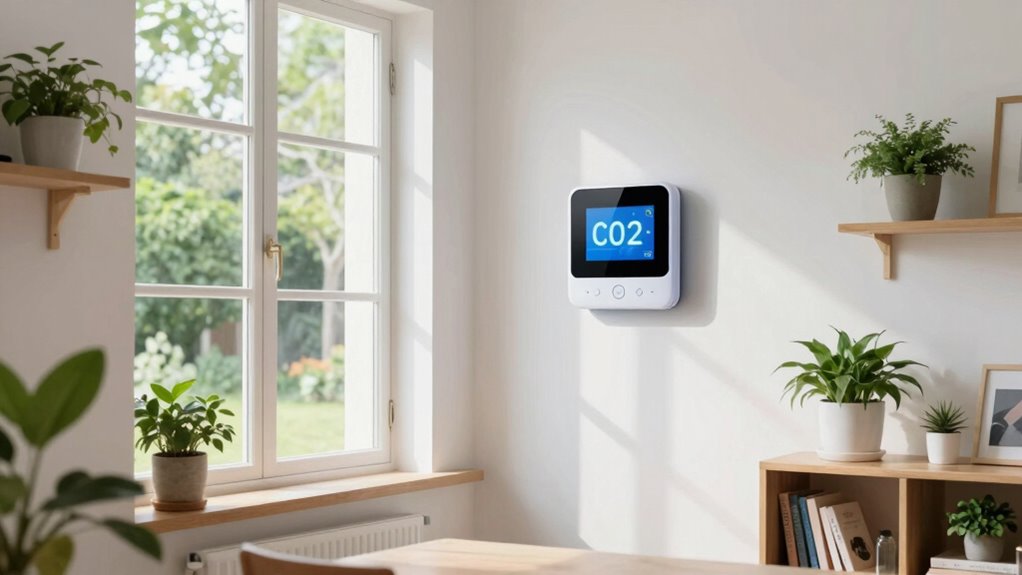

Guidelines for managing CO2 levels in classrooms also apply to your home to improve indoor air quality. If CO2 rises above 800-1,000 ppm, it signals you need better ventilation. You can open windows, use exhaust fans, or install mechanical systems to keep fresh air circulating. These strategies help reduce pollutants and prevent stuffy rooms. By maintaining proper ventilation, you’ll create a healthier, more comfortable space—if you explore further, you’ll discover even more ways to improve your indoor environment.

Get health and wellness essentials delivered free with Prime
- Fast, free delivery on millions of items
- Prime Video, Amazon Music and more included
- Member-only deals all year
Key Takeaways
- Both environments require monitoring CO2 levels to ensure proper ventilation and indoor air quality.
- Strategies like opening windows and using exhaust fans are effective in reducing CO2 buildup at home.
- CO2 sensors can guide homeowners to improve ventilation when levels exceed recommended thresholds.
- Proper airflow prevents indoor pollutants, mold, and odors, promoting healthier living spaces.
- Implementing ventilation guidelines from classrooms helps create safer, more comfortable homes.
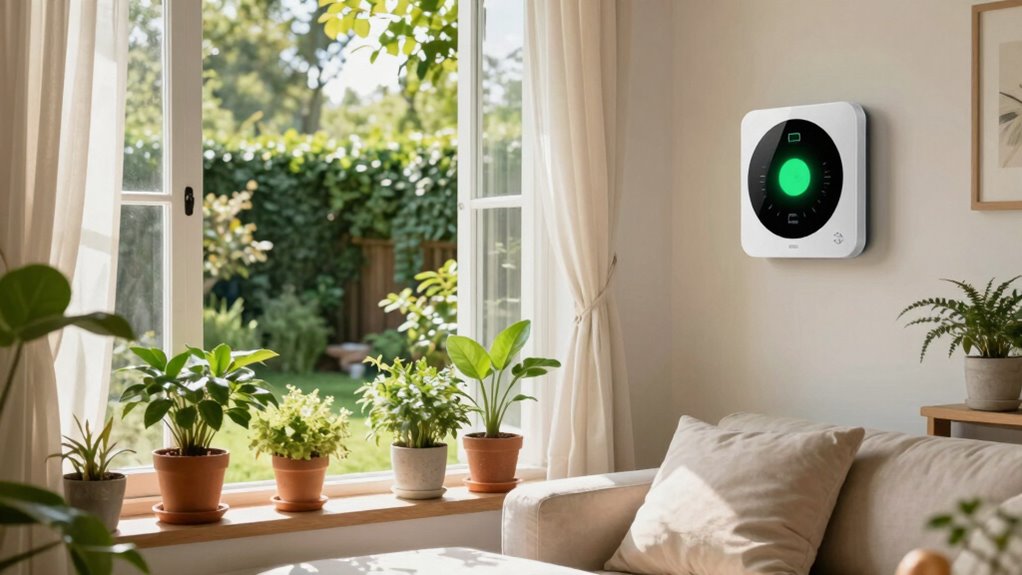
Have you ever wondered how the CO2 guidelines used in classrooms might be relevant to your home? It’s a good question because, at first glance, schools and houses seem different, but both require proper indoor air quality to keep occupants healthy. In classrooms, CO2 levels are monitored to ensure fresh air circulation, helping to prevent stuffiness, reduce fatigue, and improve concentration. The same principles apply at home, especially since many of us spend a significant amount of time indoors. The key is understanding how ventilation strategies can help maintain healthy indoor air quality and reduce CO2 buildup.
Proper indoor air quality benefits both classrooms and homes by reducing CO2 and promoting health.
In your home, poor indoor air quality can cause headaches, drowsiness, or even long-term health issues. If you notice stuffy rooms or a lingering odor, it’s a sign you might need to improve your ventilation. Just like in classrooms, managing CO2 levels involves increasing fresh air exchange. Implementing effective ventilation strategies—such as opening windows regularly, using exhaust fans in kitchens and bathrooms, or installing mechanical ventilation systems—can make a big difference. These strategies work by replacing stale indoor air with fresh outdoor air, diluting CO2 concentrations and reducing indoor pollutants. Additionally, understanding indoor air quality and how it affects health can motivate you to take proactive steps. Ensuring proper ventilation is essential for maintaining a healthy living environment, especially during cold weather when windows are less frequently opened.
Monitoring indoor air quality isn’t always straightforward in a home, but you can use CO2 sensors to get a clear picture of how well your space is ventilated. When CO2 levels rise above a certain threshold—often around 800 to 1,000 parts per million—it indicates that fresh air isn’t entering quickly enough, and you should take action. You might find that opening windows during the day, especially when there are multiple people in a room, keeps levels in check. Similarly, using exhaust fans during cooking or bathing helps remove excess humidity and indoor pollutants, further improving air quality. Recognizing CO2 levels through sensors can help you make more informed decisions about when to increase ventilation. Regularly checking your indoor air quality can also help identify other indoor pollutants that may affect your health.
The importance of ventilation strategies extends beyond just removing CO2. Good airflow reduces the buildup of allergens, mold, and other indoor contaminants, creating a healthier environment overall. If your home feels stagnant or you notice persistent odors, it’s time to revisit how you’re managing ventilation. Upgrading to an energy-efficient mechanical ventilation system or installing air exchangers can provide continuous fresh air without sacrificing comfort or energy efficiency. Just like in a classroom, maintaining proper indoor air quality through effective ventilation strategies helps ensure your home is a safe, comfortable place to live. It’s a simple but powerful way to promote health and well-being for everyone inside.
As an affiliate, we earn on qualifying purchases.
Frequently Asked Questions
How Do CO2 Levels Differ Between Classrooms and Residential Homes?
You’ll find that CO2 levels tend to be higher in residential homes compared to classrooms due to differences in ventilation efficiency. Homes often have less active ventilation, leading to poorer indoor air quality, especially when many people are inside. In contrast, classrooms usually have better ventilation systems to maintain healthy CO2 levels. So, understanding these differences helps you improve indoor air quality by ensuring proper ventilation in your home.
What Are Safe CO2 Concentration Thresholds for Homes?
In the days of dial-up internet, safe CO2 levels for homes generally stay below 1,000 ppm, ensuring good indoor air quality. You should monitor your home’s CO2 levels with reliable CO2 monitoring devices. Ideally, keep levels under 800 ppm for ideal air quality, especially in occupied spaces. Regular ventilation helps maintain safe thresholds, reducing indoor pollutants and keeping your environment comfortable and healthy.
How Can Homeowners Measure Indoor CO2 Levels Accurately?
You can measure indoor air quality accurately using measurement devices designed for CO2 levels. Invest in a reliable CO2 monitor or digital air quality meter, which provides real-time readings. Place the device in a central location away from windows, vents, or appliances that might skew results. Regularly check and calibrate your device to guarantee accuracy, helping you maintain safe indoor CO2 levels and a healthier living environment.
What Ventilation Strategies Are Recommended for Reducing CO2 in Homes?
You should prioritize effective ventilation design to reduce indoor CO2 levels, as proper air exchange can lower concentrations by up to 50%. Open windows regularly, use exhaust fans, and consider mechanical ventilation systems like HRVs or ERVs. These strategies increase fresh air intake and improve air circulation, helping to maintain healthy CO2 levels. Consistent ventilation not only enhances air quality but also promotes overall comfort and well-being in your home.
Are There Specific Air Purification Systems Effective Against High Indoor CO2?
Air purifiers aren’t typically designed to reduce CO2 levels, but some models with advanced filtration technology can help improve overall air quality. When comparing air purifiers, look for units with activated carbon filters and HEPA filters, which effectively trap pollutants and odors. However, for lowering high indoor CO2, ventilation remains essential. Choose an air purifier that complements proper ventilation strategies for the best results in maintaining healthy indoor air quality.
As an affiliate, we earn on qualifying purchases.
Conclusion
Just like in a classroom where fresh air keeps minds sharp and bodies energized, your home needs proper ventilation to breathe easy. Imagine opening windows on a breezy day, letting in crisp, clean air that replaces the stale, CO₂-filled atmosphere. By applying classroom CO₂ guidance at home, you create a sanctuary where every breath feels lighter, fresher, and more invigorating. Your space transforms into a sanctuary of clarity, helping you feel more alert and alive with each breath you take.
As an affiliate, we earn on qualifying purchases.
mechanical ventilation system for house
As an affiliate, we earn on qualifying purchases.
As an affiliate, we earn on qualifying purchases.
Columbus Day / Indigenous Peoples' Day Picks
long weekend sales
As an affiliate, we earn on qualifying purchases.