
To ventilate your home in winter without iceboxing, open windows briefly for 5-10 minutes during the warmest part of the day, ideally when outdoor temperatures are higher. Use cross-ventilation by opening windows on opposite sides and crack them slightly to minimize heat loss. Focus on moisture-prone areas like kitchens and bathrooms with exhaust fans. Enhancing insulation and sealing drafts helps retain heat, so you’ll find more tips to keep air quality high without sacrificing warmth.

Get health and wellness essentials delivered free with Prime
- Fast, free delivery on millions of items
- Prime Video, Amazon Music and more included
- Member-only deals all year
Key Takeaways
- Ventilate briefly for 5-10 minutes during the warmest part of the day to exchange air without significant heat loss.
- Open windows on opposite sides for cross-ventilation, maximizing airflow with minimal heat escape.
- Use slight cracks rather than wide openings to allow fresh air in while conserving indoor heat.
- Combine ventilation with proper insulation, sealing drafts to prevent heat loss during airing.
- Time ventilation around milder weather conditions and avoid windy, extremely cold days for efficient air exchange.

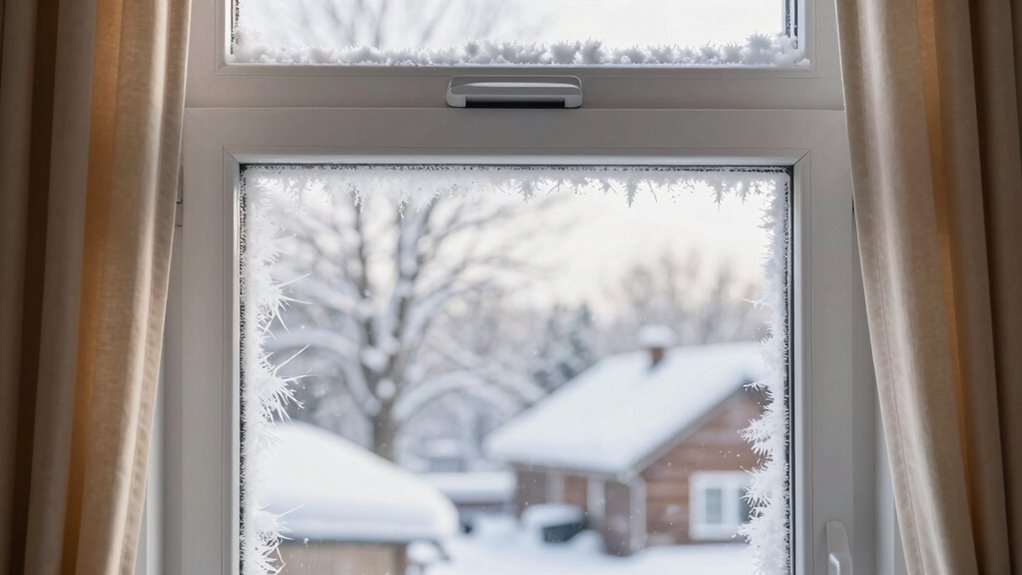
During winter, many people hesitate to open their windows because they worry about losing heat, but proper ventilation remains essential for maintaining indoor air quality. Cold weather can make you think twice about letting in the chill, especially when you’re trying to keep your home warm and cozy. However, neglecting ventilation can lead to stale air, increased humidity, and even mold growth. The key is to find a balance that refreshes your indoor environment without causing your heating bills to skyrocket or your home to become icy.
One effective way to ventilate without losing too much heat is to open your windows briefly rather than leaving them open for long periods. Just a few minutes of cross-ventilation can exchange stale indoor air with fresh outside air, reducing pollutants and humidity levels. For example, you can open a window on opposite sides of your home for five to ten minutes, creating a temporary airflow that clears out indoor air pollutants and moisture. This method minimizes heat loss while still providing the fresh air your home needs.
Briefly opening windows for 5-10 minutes refreshes air without significant heat loss.
Timing also matters. Try to ventilate during the warmest part of the day, usually midday, when outside temperatures are relatively higher. Opening windows during these hours helps prevent your home from cooling down too much. If the weather’s particularly cold or windy, consider adjusting the duration of ventilation or opening windows slightly rather than fully. Even cracking a window open just a little can allow air exchange without substantially impacting your home’s warmth.
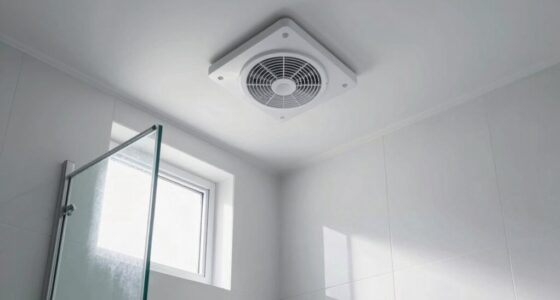
Another trick is to focus on areas prone to moisture buildup, like the kitchen and bathroom. These spots produce humidity from cooking and showering, which can lead to condensation and mold if not managed well. Opening a small window or using an exhaust fan during and after these activities helps remove excess moisture swiftly. It’s a quick, energy-efficient way to maintain healthy indoor air quality without sacrificing warmth.
You can also improve insulation to make winter ventilation easier. Weatherstripping doors and windows, sealing drafts, and adding thermal curtains keep heat inside while still allowing for controlled airflow. These measures reduce heat loss during ventilation and make the process less of a trade-off between fresh air and warmth.
Moreover, choosing high-quality home theatre projectors with good ventilation design can ensure efficient airflow and prevent overheating, especially if you use them frequently during the colder months. In essence, winter ventilation isn’t about leaving windows wide open for hours; it’s about smart, strategic airing that balances air quality with energy efficiency. Short, timed openings during the warmest parts of the day, combined with good home insulation and targeted ventilation in moisture-prone areas, can keep your home comfortable and healthy all season long.
As an affiliate, we earn on qualifying purchases.
Frequently Asked Questions
How Often Should I Ventilate My Home During Winter?
You should ventilate your home at least two to three times a day during winter, ideally for about 5-10 minutes each session. This helps refresh indoor air and reduce humidity without causing significant heat loss or iceboxing. If you notice condensation or stuffiness, increase ventilation frequency. Always open windows briefly to allow fresh air in and then close them quickly to retain warmth.
Can Window Ventilation Cause Increased Energy Bills?
Yes, window ventilation can increase your energy bills if you leave windows open too long or don’t balance ventilation with insulation. However, you can minimize costs by ventilating briefly and strategically, such as during warmer parts of the day. Using trickle vents or exhaust fans helps maintain airflow without losing excessive heat. Properly timed and controlled ventilation ensures fresh air without substantially raising your energy expenses.
What Are the Best Times of Day to Ventilate?
You should ventilate early in the morning or late evening when outdoor temperatures are cooler but still above freezing. During these times, opening your windows for 10-15 minutes allows fresh air in without causing significant heat loss or iceboxing. Avoid midday when the sun is strongest, as this can lead to more heat escape. Consistent, short bursts of ventilation help keep air fresh and prevent moisture buildup.
How Do I Prevent Drafts While Ventilating?
Imagine your home as a fortress, and drafts as sneaky invaders. To prevent drafts while ventilating, keep the windows open just a crack, not wide, to allow fresh air in without letting cold air rush in. Use weather stripping or draft stoppers around the edges to seal gaps. Close curtains or thick drapes to add an extra barrier, and ventilate during milder parts of the day for comfort and warmth.
Are There Alternative Methods to Ventilate Without Opening Windows?
Yes, you can ventilate without opening windows by using trickle vents, exhaust fans, or air purifiers with HEPA filters. Keep interior doors open to promote airflow between rooms. Use ceiling or portable fans to circulate air gently. You can also crack a window slightly for short periods, preferably during milder weather, to let fresh air in without causing ice buildup. These methods help maintain air quality without freezing your space.
As an affiliate, we earn on qualifying purchases.
Conclusion
Now that you know how to ventilate your windows without freezing, you can enjoy fresh air without sacrificing warmth. Imagine cozy mornings filled with crisp, clean air, not icy drafts or shivering discomfort. Proper ventilation keeps your home healthy and inviting, even in winter’s chill. So, embrace these simple techniques—breathe deeply, stay warm, and find comfort in knowing you’ve mastered winter’s tricky balance between freshness and coziness. Your home can be both airy and warm.
draft sealing weatherstripping kit
As an affiliate, we earn on qualifying purchases.
As an affiliate, we earn on qualifying purchases.
compact cross ventilation window locks
As an affiliate, we earn on qualifying purchases.
As an affiliate, we earn on qualifying purchases.
Cold & flu season Picks
humidifiers
As an affiliate, we earn on qualifying purchases.