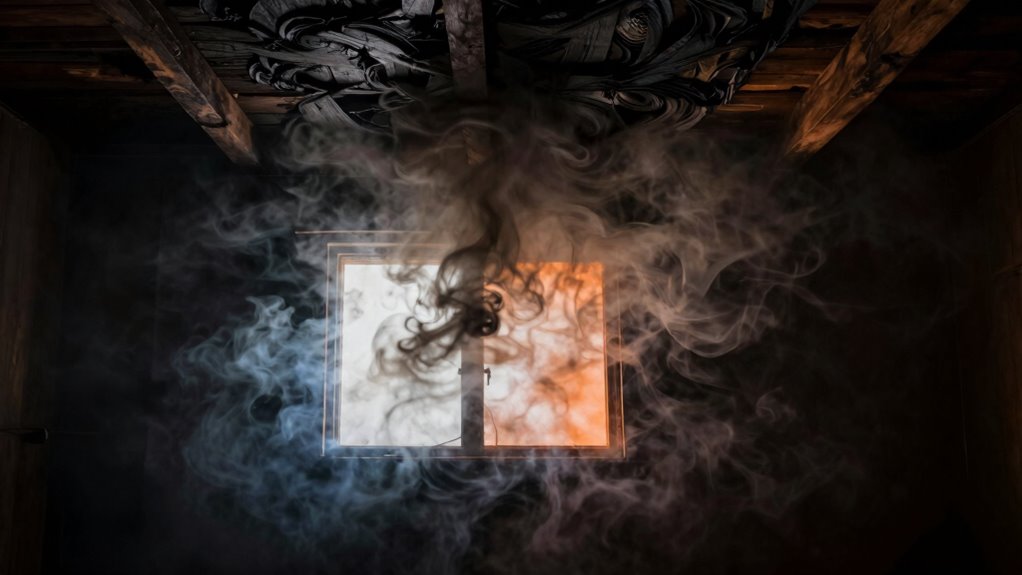

When ventilating a fire, you might overlook that opening doors or windows too quickly can trigger a dangerous backdraft. As you introduce oxygen, trapped superheated gases mix suddenly with fresh air, causing an explosive ignition. Recognizing signs like sealed windows, smoky odors, and still air is essential to avoid this hazard. If you want to understand safer ventilation techniques and how to prevent backdrafts, keep exploring these critical safety insights.

Get health and wellness essentials delivered free — and shop member deals
- Fast, free delivery on millions of items
- Access to Prime Big Deal Days deals on October 6–7
- Prime Video, Amazon Music and more included
Key Takeaways
- Proper ventilation can introduce oxygen rapidly, igniting trapped combustible gases and causing a backdraft explosion.
- Sealed environments with smoky, stagnant air indicate potential for dangerous backdraft conditions.
- Signs like darkened, sooty interior and minimal smoke escape suggest gases are trapped inside.
- Gradual, controlled ventilation is essential to safely release gases and prevent sudden ignition.
- Recognizing early warning signs and assessing scene conditions are critical to avoiding ventilation-related backdraft risks.
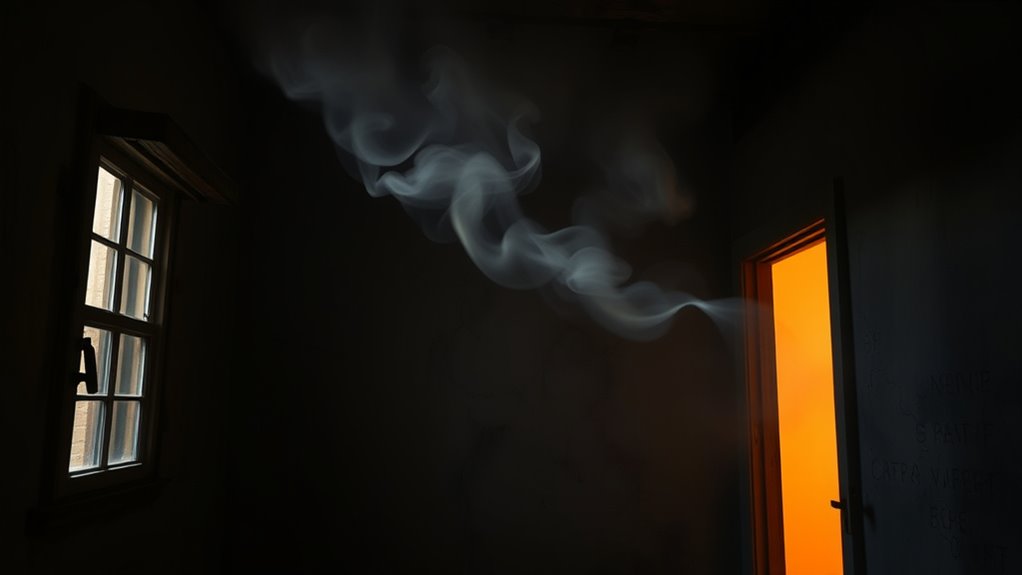
Have you ever wondered how a fire can suddenly flare up with dangerous force even after it seems to be out? This phenomenon, known as a backdraft, is a hidden hazard that many overlook. When a fire burns in a confined space, it consumes oxygen and produces a thick layer of superheated gases and smoke. If those gases fill the room and the oxygen drops below a critical level, the fire appears to die down. But beneath the surface, the combustible gases remain trapped, waiting for a fresh burst of oxygen to reignite with explosive force. This is where many people misunderstand ventilation risks. They might think that a fire is fully extinguished once flames are gone, but in reality, the dangerous gases still linger, ready to ignite.
Understanding backdrafts requires recognizing how ventilation influences fire behavior. When you open a door or window in a room filled with superheated gases, you’re providing that critical oxygen needed for combustion. If enough gases have accumulated, this sudden influx of oxygen can cause an immediate, violent backdraft. The gases ignite almost instantaneously, creating a burst of flames and shockwave that can burn anyone nearby. That’s why ventilation is a double-edged sword: it’s necessary to ventilate safely, but if done improperly, it can trigger a backdraft. Firefighters and emergency responders need to be especially cautious during overhaul or when entering a building that appears to be extinguished but might still harbor dangerous gases.
Ventilating a fire can trigger backdrafts if gases are trapped and ignited suddenly.
Many people miss the signs that indicate a potential backdraft. You might notice a smoky, stagnant odor, or see a low-humidity environment with a darkened, sooty interior. The windows and doors may be tightly sealed, trapping the gases inside. Sometimes, there’s a noticeable stillness in the air, with no visible flames or smoke escaping. These clues suggest that the fire is not fully out, but rather smoldering, with dangerous gases building up inside. If you then introduce fresh air without proper precautions, it could set off an explosive reaction. Recognizing these signs and understanding the ventilation risks can mean the difference between safely controlling a fire and facing a deadly backdraft.
Knowing how to prevent a backdraft starts with patience and proper assessment. Carefully evaluate the scene before forcing entry or ventilating. Use thermal imaging devices or look for telltale signs like smoke patterns or heat buildup. When ventilating, do so gradually and from a safe distance, ensuring that the flow of fresh air doesn’t cause a sudden ignition. The key is to control the introduction of oxygen carefully, avoiding any surprises that could turn a seemingly extinguished fire into a sudden explosion. Additionally, understanding the fire behavior and how gases accumulate can help in making informed decisions during firefighting operations. By understanding the ventilation risks and signs of a potential backdraft, you can better protect yourself and others from this hidden yet deadly hazard.
Frequently Asked Questions
Can Backdrafting Occur in Modern, Well-Ventilated Homes?
Yes, backdrafting can occur in modern, well-ventilated homes, especially if there’s a sudden change in ventilation or a blocked chimney. You might think good ventilation prevents this, but improper or uneven airflow can cause dangerous gas buildup. Always guarantee proper venting systems are maintained, and be cautious when operating exhaust fans or sealing homes tightly, as these actions can inadvertently trap dangerous gases and lead to backdrafts.
What Are the Signs That Backdrafting Is Happening?
Imagine flickering flames suddenly surge outward from your fireplace or appliance. That’s a sign backdrafting might be happening. You could notice black soot around vents, a strong odor of combustion gases, or difficulty maintaining a steady flame. Sometimes, windows or doors rattle from the rush of gases. If you see or smell these signs, shut off appliances immediately and get professional help to assess the ventilation system and prevent danger.
How Can Homeowners Prevent Backdrafting Risks?
You can prevent backdrafting risks by ensuring proper ventilation in your home. Keep exhaust fans and vents clear of obstructions, and install a carbon monoxide detector near sleeping areas to alert you of dangerous buildup. Regularly inspect chimneys, flues, and vents for blockages or damage. Also, avoid sealing vents tightly without proper airflow, especially if you use fuel-burning appliances, to maintain a safe, balanced ventilation system.
Are Certain Building Materials More Susceptible to Backdrafting?
Ever wonder if some materials invite danger more than others? Yes, combustible materials like certain types of insulation, foam, and untreated wood can increase backdrafting risks. These materials can trap or block airflow, making it harder for combustion gases to vent properly. To protect yourself, guarantee your building’s materials are appropriate for ventilation and regularly inspect vents and exhaust systems. Is your home’s construction helping or hindering safe airflow?
What Emergency Steps Should Be Taken if Backdrafting Occurs?
If backdrafting occurs, you should immediately ventilate the building by opening windows and doors to release built-up gases. Avoid creating additional openings that could worsen the situation. Guarantee everyone evacuates the area safely and call emergency services right away. Do not attempt to extinguish the fire yourself if conditions are unsafe. Prioritize your safety and follow established emergency protocols to mitigate risks effectively.
Conclusion
Understanding backdrafting is like knowing a secret your home’s ventilation system hides. While fire safety often focuses on extinguishing flames, overlooking ventilation risks can turn a small hazard into a deadly surprise. Think of it as a quiet threat lurking behind the chaos—silent but powerful. By recognizing these dangers, you hold the key to preventing disaster. Don’t just fight fires; understand what fuels them. Awareness is your best defense against the hidden threat of backdrafting.
Fall Picks
fall essentials
As an affiliate, we earn on qualifying purchases.