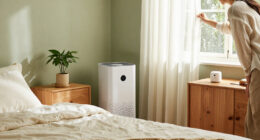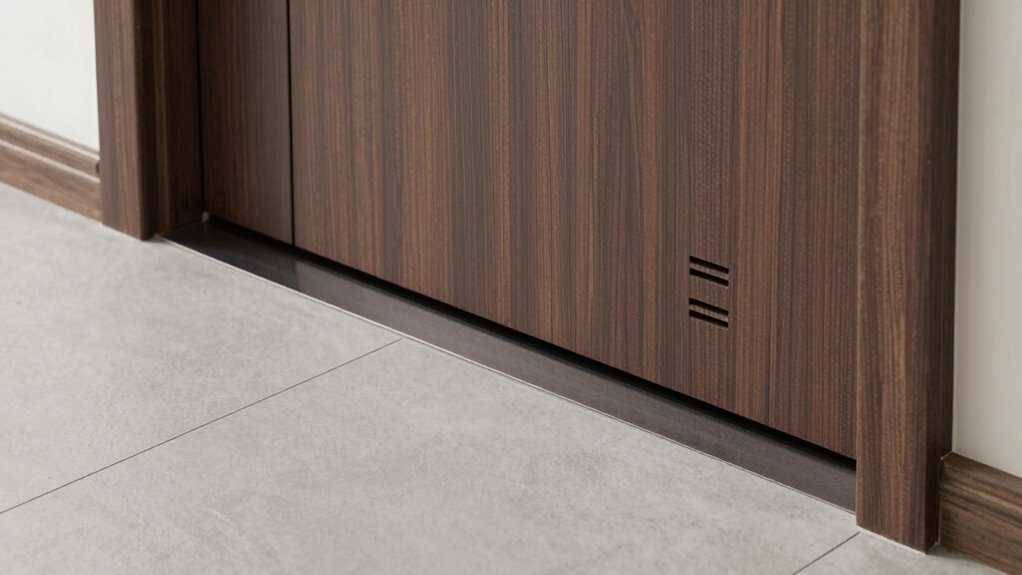

Properly sizing and adjusting your door under-cuts is essential to fixing stuffy rooms. Small gaps, usually about 1/8 inch, allow just enough airflow to prevent stale air, humidity buildup, and odors, while still maintaining privacy and insulation. If the gap is too large or small, it can cause drafts or stuffiness. Getting this balance right helps improve indoor air quality and energy efficiency. Keep exploring to learn how to optimize your door under-cuts effectively.

Get health and wellness essentials delivered free with Prime
- Fast, free delivery on millions of items
- Prime Video, Amazon Music and more included
- Member-only deals all year
Key Takeaways
- Proper door under-cuts allow fresh air to circulate, reducing stuffiness and improving indoor air quality.
- Adjusting the under-cut height helps balance ventilation needs with privacy and energy efficiency.
- Typically, a 1/8 inch gap is ideal for interior doors to promote airflow without drafts.
- Larger gaps increase airflow but may introduce dust and drafts, so sizing should match room requirements.
- Correct installation and adjustment of door under-cuts are essential for maintaining a comfortable, well-ventilated space.

Door under-cuts are essential in ensuring smooth operation and proper sealing of your doors. These small gaps, typically measured in fractions of an inch, serve a crucial purpose in maintaining good air circulation within a room. When you think about it, a door that sits flush against the floor can trap stale air, moisture, and even odors, leading to stuffy, uncomfortable environments. By providing a tiny space beneath the door, under-cuts allow air to flow freely between rooms, helping to balance humidity levels and improve ventilation. This simple feature can make a significant difference in spaces like bedrooms, offices, or basements where air quality is vital. Properly sized under-cuts also contribute to energy efficiency by reducing drafts and heat loss. You might not realize it, but the height of the under-cut directly influences how well your room ventilates. If the gap is too small, airflow becomes restricted, and your room might still feel stuffy. Conversely, if it’s too large, you risk drafts, dust infiltration, or even pest entry. That’s why it’s important to get the measurement just right. Usually, a gap of about 1/8 inch is sufficient for most interior doors, but you should consider the specific needs of your space. For rooms that require better airflow, increasing the under-cut slightly can help, while rooms needing more privacy or insulation might benefit from a smaller gap. Adjusting the under-cut is straightforward, and you can do it yourself with a few simple tools. If your door has a threshold or a bottom sweep, you can modify the height by trimming or adding shims underneath the door. Some doors come pre-cut with a small groove or slot to facilitate this adjustment. When installing or replacing a door, ask your supplier or installer to set the under-cut to the ideal height for your situation. Remember, the goal isn’t just about airflow; it’s about balancing ventilation with privacy and energy efficiency. Too large a gap can lead to heat loss in winter or cooling loss in summer, increasing your utility bills.
Frequently Asked Questions
Can Door Under-Cuts Improve Indoor Air Quality?
Yes, door under-cuts can improve indoor air quality. By providing better airflow between rooms and the outside, they help ventilate stale air and reduce indoor pollutants. When you install or adjust under-cuts properly, you allow fresh air to circulate more freely, which can diminish odors, humidity, and airborne allergens. This simple upgrade makes a noticeable difference in maintaining a healthier, more comfortable indoor environment.
Are There Specific Materials Recommended for Door Under-Cuts?
Yes, certain materials are recommended for door under-cuts. You should opt for breathable materials like natural wood or specially designed vented panels, which allow airflow without compromising privacy. Avoid dense or non-porous materials like solid metal or plastic, as they restrict air movement. Choose materials that balance durability with airflow, ensuring your room stays fresh and well-ventilated. Properly selected materials make a noticeable difference in improving indoor air quality.
How Do Door Under-Cuts Affect Energy Efficiency?
Door under-cuts improve energy efficiency by allowing better airflow between rooms, which helps regulate temperature and prevent stuffiness. When you install or adjust under-cuts properly, you reduce the need for constant heating or cooling, saving energy and lowering utility bills. Keep in mind, the size and placement of these gaps matter; too large can cause heat loss, but the right amount promotes better ventilation without sacrificing energy savings.
Can DIY Installation of Door Under-Cuts Be Effective?
You can absolutely DIY install door under-cuts and make a noticeable difference in airflow. With simple tools and clear instructions, you’ll quickly upgrade your door’s efficiency, transforming stuffy rooms into invigorating, ventilated spaces. While it might seem like a small task, getting it right guarantees better energy use and comfort. Just take your time, follow the steps carefully, and you’ll see results that feel like a gust of fresh air—literally!
What Are the Common Mistakes to Avoid When Installing Under-Cuts?
When installing under-cuts, avoid measuring incorrectly, which can cause gaps or poor airflow. Don’t forget to secure the under-cut firmly; loose fittings lead to inefficiency. Be cautious with the height—you want enough clearance without making the door look awkward. Rushing through the process can cause misalignment. Always double-check your measurements and fittings during installation to guarantee proper ventilation and a professional finish.
Conclusion
So, next time you notice a stuffy room, remember that a simple door under‑cut might be all it takes to fix it. Sometimes, it’s the tiniest detail that makes a big difference—like a coincidence waiting to happen. By giving your door that small adjustment, you invite fresh air in and breathe easier. It’s amazing how such a simple fix can turn a stale space into a more comfortable one, almost like magic.
Halloween Picks
halloween
As an affiliate, we earn on qualifying purchases.