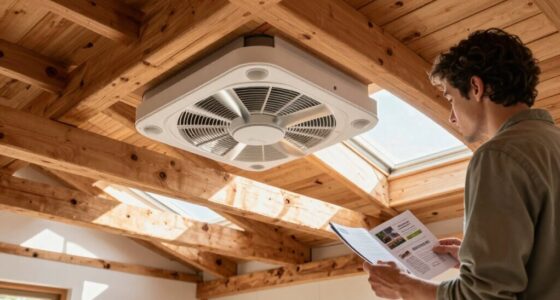
Opening windows wide is a common mistake that makes homes feel drafty because it lets in uncontrolled, often cold outdoor air, causing discomfort and temperature fluctuations. It may also introduce outdoor pollutants like pollen and dust, worsening indoor air quality. Without proper airflow control, you can’t regulate drafts or guarantee consistent indoor comfort. To improve your indoor environment, you need smarter ventilation solutions. Keep exploring to discover how modern systems can help you breathe easier and stay comfortable.
Listen free for 30 days with Audible
Thousands of audiobooks and originals — cancel anytime.
As an affiliate, we earn on qualifying purchases.
Key Takeaways
- Fully opening windows can cause drafts and temperature fluctuations, making homes feel uncomfortable.
- Introducing outdoor air without proper filtration can bring in pollutants, contributing to indoor discomfort.
- Relying solely on open windows for ventilation often leads to unpredictable airflow and drafts.
- Improperly managed natural ventilation may increase indoor air variability, causing discomfort and health issues.
- Using advanced ventilation systems balances fresh air intake and temperature control, preventing drafts and improving comfort.
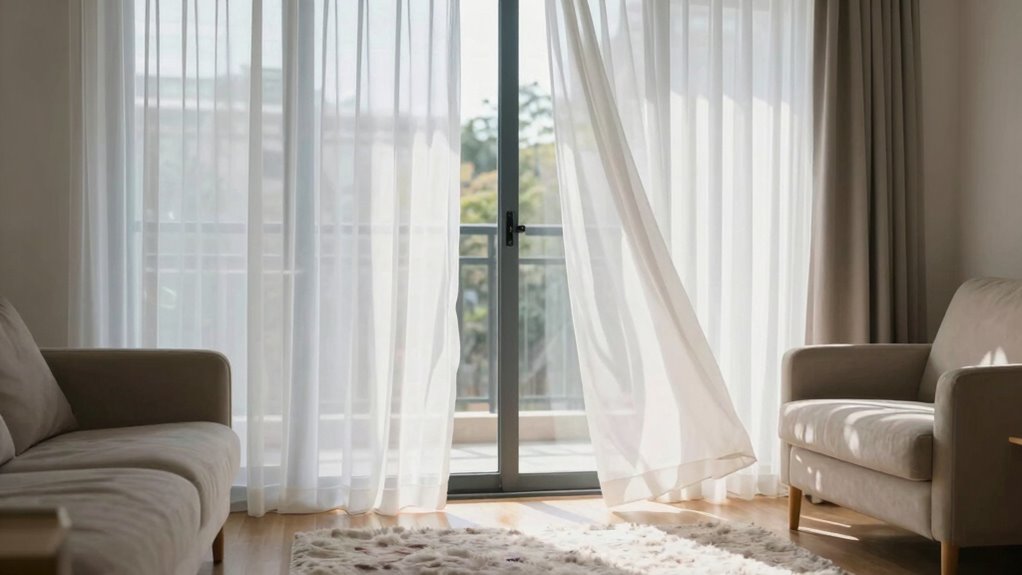
Have you ever wondered if opening your windows wide every day genuinely benefits your health? It’s a common belief that fresh air automatically improves your indoor air quality, but in reality, it can sometimes do more harm than good. When you open your windows fully, you might think you’re letting in cleaner air, but if your home isn’t properly ventilated, it can lead to drafts that make your space uncomfortable. The key lies in understanding how ventilation systems work and how to optimize indoor air quality without sacrificing comfort.
Your home’s indoor air quality is essential for your health, especially since you spend so much time inside. Simply opening windows isn’t always enough; it can introduce outdoor pollutants like pollen, dust, or pollution from traffic, which could worsen air quality instead of improving it. Instead, you should focus on effective ventilation systems designed to control airflow and filter out harmful particles. Modern ventilation systems, such as heat recovery ventilators (HRVs) or energy recovery ventilators (ERVs), can bring in fresh air while reducing energy loss and preventing drafts. These systems guarantee you get the benefits of fresh air without creating uncomfortable drafts or temperature fluctuations.
Effective ventilation systems provide fresh air, filter pollutants, and maintain comfort without drafts or temperature swings.
Relying solely on open windows can also lead to inconsistent airflow. Sometimes, you might notice a sudden gust making your home feel drafty, which can make your space uncomfortable and even cause health issues like colds or muscle stiffness. Properly installed ventilation systems help regulate airflow continuously, maintaining a steady indoor environment. They work by exchanging stale indoor air for filtered outdoor air at a controlled rate, which improves indoor air quality without compromising your comfort. Additionally, integrating biodiversity-friendly ventilation techniques can help enhance indoor air quality by reducing pollutants and supporting a healthier living environment. Understanding the importance of proper ventilation is crucial, as it can prevent issues related to poor air circulation and indoor pollutants. Incorporating advanced ventilation technology can further optimize air quality and energy efficiency in your home.
As an affiliate, we earn on qualifying purchases.
Frequently Asked Questions
How Can I Tell if My Home Is Making Me Feel Drafty?
You can tell if your home feels drafty by paying attention to indoor air circulation and noticing cold spots or breezes near windows and doors. To improve ventilation strategies, check for gaps or leaks around windows, doors, and vents. If you notice uneven temperatures or stuffiness, it’s a sign your ventilation isn’t working well. Sealing leaks and ensuring proper airflow can make your home feel more comfortable and reduce draftiness.
Are There Specific Seasons When Fresh Air Causes More Drafts?
Yes, seasonal ventilation and weather fluctuations can cause more drafts in certain seasons. During winter and fall, colder air moves through gaps as outside temperatures drop, making drafts more noticeable. In spring and summer, warmer weather reduces the feeling of drafts, but sudden weather shifts can still cause fluctuations in indoor airflow. To minimize drafts, seal gaps before seasonal changes and adjust ventilation accordingly.
Can Sealing Windows Reduce Drafts Caused by Fresh Air Intake?
Yes, sealing windows can reduce drafts caused by fresh air intake. You should use window insulation to block gaps and improve airtightness. Combining this with effective ventilation strategies helps maintain good air quality without letting drafts in. Proper sealing prevents unwanted cold air from entering and heat from escaping, making your home more comfortable. Regularly inspect and seal any leaks around your windows to maximize energy efficiency and indoor comfort.
Does Opening Windows Frequently Increase Energy Bills?
Opening windows frequently can raise your energy bills, much like a leaky ship losing its cargo. While good ventilation strategies improve air quality, they also let warm air escape, forcing your heating system to work harder. To balance fresh air and efficiency, open windows briefly during peak air quality times, then seal them to keep warm air in. This approach helps you enjoy clean air without skyrocketing your energy costs.
What Are Safe Ways to Improve Indoor Air Quality Without Drafts?
You can improve indoor air quality safely by using air purification systems, like HEPA filters, which trap airborne particles without creating drafts. Additionally, controlling humidity levels with a dehumidifier or humidifier prevents mold and dust mites, enhancing comfort. Keep windows closed during extreme weather but ventilate periodically through controlled means, such as exhaust fans or air exchangers, to maintain fresh air without risking drafts or energy loss.
As an affiliate, we earn on qualifying purchases.
Conclusion
So, next time you crack a window to freshen up your home, remember—you’re actually inviting drafts to turn your cozy haven into a chilly escape. Ironically, what’s meant to improve your comfort could be the very thing that makes it worse. Sometimes, the simplest solution isn’t always the best. Instead of chasing fresh air, consider smarter ways to seal and insulate—because staying warm and cozy might just require doing the opposite of what you think.
As an affiliate, we earn on qualifying purchases.
As an affiliate, we earn on qualifying purchases.
NFL season / tailgating Picks
team gear
As an affiliate, we earn on qualifying purchases.