
To make a closed room feel better fast, you should focus on creating continuous and balanced airflow. Open windows or vents on opposite sides to promote cross-ventilation, guiding fresh air through the space. Use fans strategically to enhance airflow patterns and prevent stagnant air pockets. Proper airflow removes humidity and odors quickly, making the room feel fresher and more inviting. Keep exploring to discover more tips for optimizing your space’s ventilation speedily.

Get health and wellness essentials delivered free with Prime
- Fast, free delivery on millions of items
- Prime Video, Amazon Music and more included
- Member-only deals all year
Key Takeaways
- Promote cross-ventilation by positioning fans or vents to create airflow from one side of the room to the other.
- Ensure continuous, balanced airflow to prevent stagnant air pockets and improve air freshness.
- Create predictable airflow patterns to optimize circulation and prevent dead zones.
- Use strategic placement of windows and vents to establish a natural air pipeline for faster refreshment.
- Manage airflow to eliminate humidity and odors, making the space feel cleaner and more comfortable quickly.
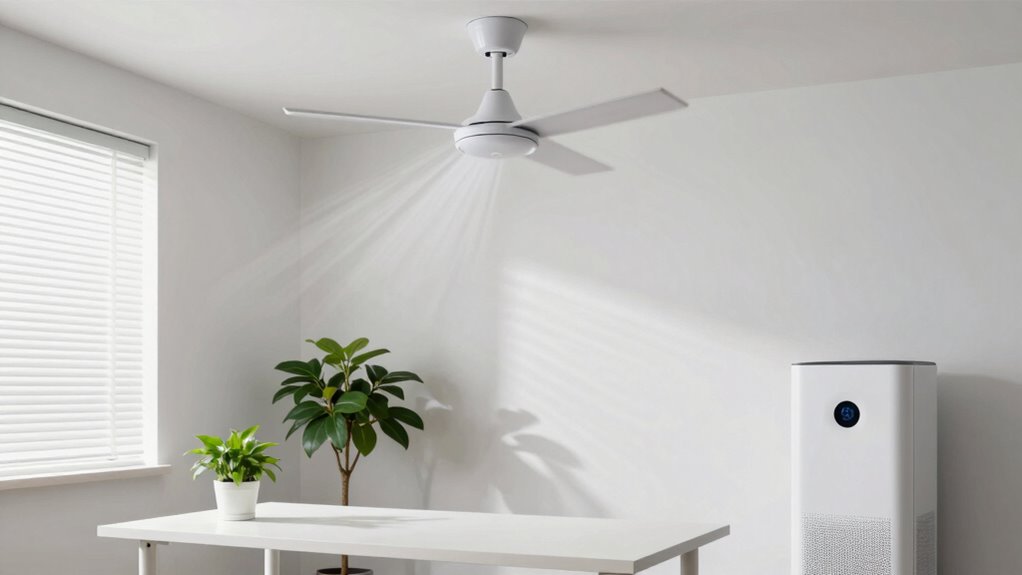
Ever wondered why some closed rooms feel stuffy and uncomfortable while others seem fresher? The difference often boils down to ventilation efficiency and how well you optimize airflow. When a room doesn’t have proper airflow, stale air lingers, humidity rises, and the environment feels oppressive. But with a simple rule about airflow, you can make any closed space feel instantly more comfortable.
The key is understanding how to manage ventilation efficiency. Good ventilation isn’t just about opening a window; it’s about creating a continuous, balanced flow of air that replaces the stale inside air with fresh outside air. When airflow isn’t optimized, you get pockets of stagnant air—areas where humidity and odors accumulate, making the room feel heavy and uncomfortable. To fix this, you need to think in terms of airflow paths. The goal isn’t just about increasing the volume of air exchanged but ensuring that fresh air reaches all corners of the room efficiently.
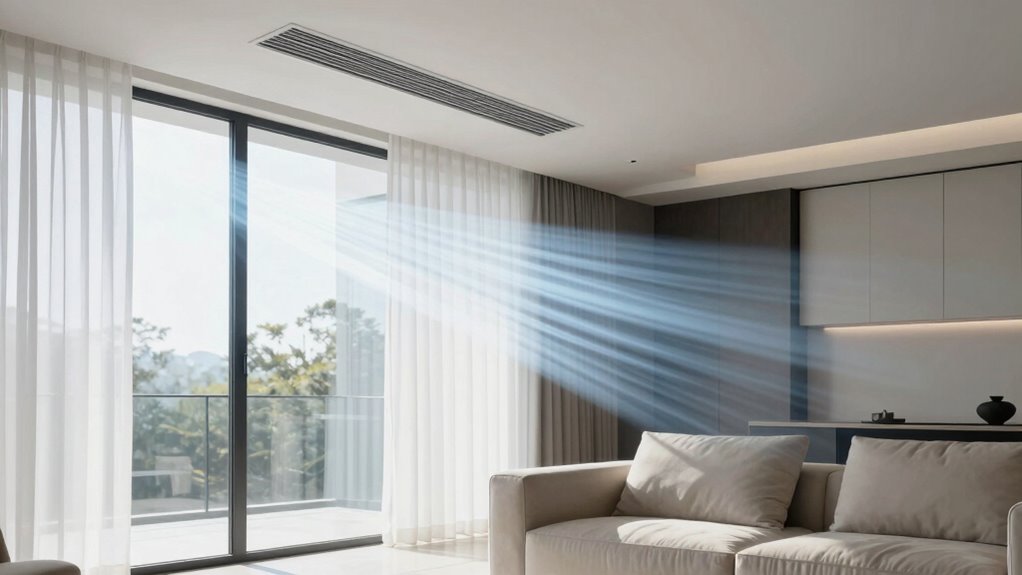
One effective approach is to establish a cross-ventilation setup. This means positioning fans or vents so that air can flow smoothly from one side of the room to the other. You want to create a natural pipeline for air to enter and exit, avoiding dead zones where airflow stagnates. When air moves in a predictable pattern, ventilation efficiency improves dramatically, and the room feels fresher faster. Incorporating airflow patterns can significantly enhance your ventilation strategy. Additionally, understanding how air circulation impacts indoor comfort can help you design more effective ventilation systems. Improving airflow management techniques is essential for maintaining healthy indoor environments, especially in enclosed spaces. Recognizing the importance of airflow distribution can further optimize how air moves throughout the entire room, leading to quicker comfort restoration. Proper airflow prevents the buildup of humidity and odors, helping the space feel cleaner and more inviting. Understanding ventilation efficiency can help you better manage indoor air quality and comfort.
Products Worth Considering

Therabody SmartGoggles 2nd Gen Heated Eye and Temple Massager
Withings Body Smart Wi-Fi and Bluetooth Smart Scale

Therabody Theragun Relief Massage Gun, 3-Speed, Black
As an affiliate, we earn on qualifying purchases.
Frequently Asked Questions
How Does Airflow Impact Indoor Air Quality?
Airflow considerably impacts your indoor air quality by influencing how pollutants and airborne particles circulate. Proper airflow patterns promote air purification, removing dust, allergens, and odors more efficiently. When airflow is well-managed, fresh air replaces stale air quickly, reducing potential health risks. You can improve indoor air quality by ensuring good ventilation, using fans or air purifiers strategically, and maintaining ideal airflow patterns that facilitate effective air exchange and cleaner, healthier indoor environments.
Can Improper Airflow Increase Indoor Humidity?
Improper airflow acts like a stagnant pond, trapping moisture and raising indoor humidity levels. Without proper ventilation strategies, moisture lingers, making the air feel heavy and damp. This hampers humidity control, creating an environment where mold and discomfort thrive. To prevent this, make certain of consistent airflow, open vents, and use fans or dehumidifiers. Good airflow keeps moisture moving, maintaining a comfortable, dry space that feels fresh and inviting.
What’s the Ideal Airflow Rate for Comfort?
The ideal airflow rate for comfort generally falls between 4 to 8 air changes per hour, depending on room size and usage. Good airflow patterns and proper ventilation design are vital, ensuring fresh air circulates effectively without creating drafts. You should aim for a balanced airflow that maintains a comfortable temperature and humidity level, preventing stuffiness or dryness. Adjust ventilation systems accordingly to optimize comfort and indoor air quality.
How Often Should Ventilation Systems Be Maintained?
Ever wondered how to keep your air fresh and clean? You should schedule ventilation system maintenance every 6 to 12 months. This includes regular air filter maintenance and duct cleaning, which prevent dust buildup and guarantee ideal airflow. Don’t ignore these tasks—neglecting them can reduce efficiency and air quality. By staying on top of maintenance, you’ll enjoy healthier, more comfortable indoor environments effortlessly.
Does Airflow Affect Temperature Regulation Efficiency?
Yes, airflow considerably impacts temperature regulation efficiency. Proper airflow patterns ensure even distribution of conditioned air, preventing hot or cold spots. Good ventilation design promotes consistent temperature control, making your space feel more comfortable quickly. When airflow is optimized, your HVAC system works less hard, saving energy and reducing costs. You should pay attention to airflow to enhance comfort and maintain efficient temperature regulation in any room.
Conclusion
Think of airflow as the invigorating gust your room needs, like a gentle gust clearing out stale thoughts. When you open a window or adjust vents, you’re inviting in new energy and flushing out the old. Just as a breeze can lift your spirits, proper airflow transforms a closed, stuffy space into a lively sanctuary. So, don’t wait—let the wind work its magic and make your room feel instantly better.