

In multi-story homes, uneven fresh air occurs because warm air naturally rises, creating pressure differences that hinder airflow. Poor placement of vents, closed doors, and limited circulation systems make it harder for fresh air to reach all levels evenly. Without proper vent placement and balanced ventilation, stale air can collect on lower floors. If you want to discover how to improve your airflow and create a healthier home environment, keep exploring these strategies.

Get health and wellness essentials delivered free — and shop member deals
- Fast, free delivery on millions of items
- Access to Prime Big Deal Days deals on October 6–7
- Prime Video, Amazon Music and more included
Key Takeaways
- Warm air rises, causing upper floors to receive more fresh air than lower levels.
- Poor placement of vents and passive airflow barriers create stagnant pockets of stale air.
- Closed doors and partitioned spaces block proper air circulation across floors.
- Inadequate or unbalanced ventilation systems fail to distribute fresh air evenly.
- Pressure differences and duct leaks hinder consistent airflow throughout multi-story homes.
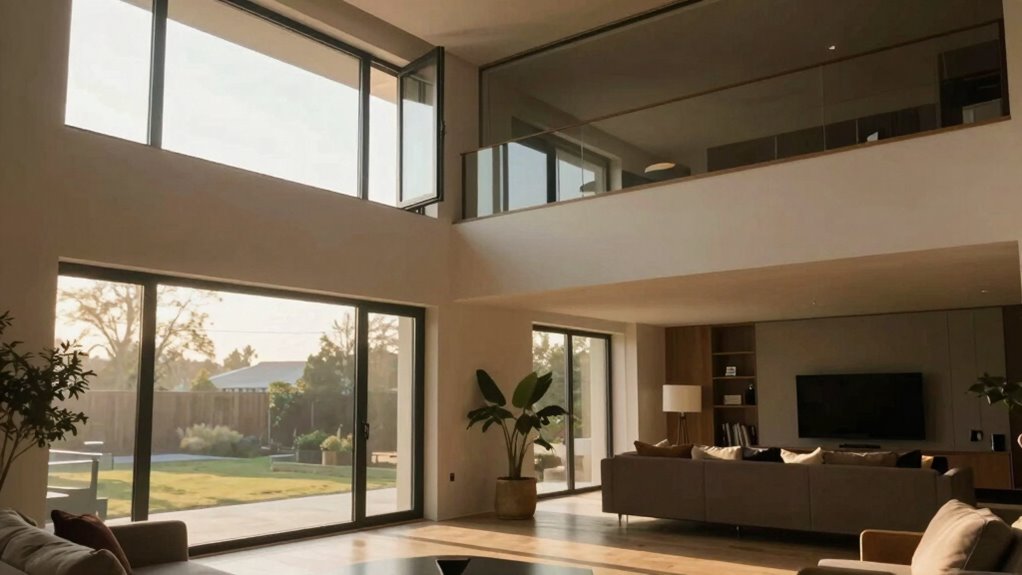
If you’ve noticed that fresh air seems uneven across different floors in your multi-story home, you’re not alone. This common issue often stems from how indoor air circulation works within your house and the effectiveness of your ventilation system design. When air isn’t circulating properly, some areas become stuffy or stale, while others feel overly fresh or even drafty. Understanding how air moves through your space can help you identify the root cause and improve overall air quality.
Indoor air circulation plays an essential role in maintaining balanced fresh air distribution. In multi-story homes, air naturally tends to move upward because warm air rises. Without proper airflow, this can leave the upper floors feeling fresher than the lower levels, where stale air may linger. To combat this, you need a ventilation system design that promotes even airflow throughout all floors. This involves strategically placing vents, exhaust fans, and possibly air handlers to guarantee air is continuously moving and replacing stale air with fresh outdoor air.
Proper ventilation design ensures even airflow and fresh air distribution across all floors in your home.
Your current ventilation system might be unintentionally contributing to uneven air distribution. For example, if your home relies solely on passive vents or has poorly placed exhaust fans, air may not flow efficiently between different levels. In some cases, doors or closed-off spaces prevent air from circulating freely, creating pockets of stagnant air. A well-designed ventilation system can help by creating a pressure difference that encourages air to flow evenly across all rooms and floors. This might include installing dedicated return vents on each level, or upgrading to an HVAC system that’s properly balanced for multi-story airflow. Additionally, proper system balancing**** can help ensure consistent air pressure and flow, preventing uneven distribution.
Another factor to take into account is the placement of air intakes and exhaust outlets. If these are poorly positioned, fresh air may enter only certain areas, leaving some spaces deprived of the benefit. To improve indoor air circulation, you might need to adjust the placement of these components, or consider adding fans that help push or pull air to where it’s needed most. Properly designed ventilation, including smart placement of vents and fans, can significantly enhance airflow efficiency. Additionally, sealing leaks in ductwork and improving insulation can prevent unintentional air loss, ensuring that your ventilation system works efficiently. Proper air circulation can also be supported by understanding how indoor air moves and the importance of ventilation in multi-story homes. Being aware of the pressure differences created by your system is crucial for optimizing overall airflow and avoiding uneven fresh air distribution.
Ultimately, addressing uneven fresh air in your multi-story home requires a thoughtful approach to ventilation system design and indoor air circulation. When these elements are optimized, you’ll notice more consistent air quality across all floors, making your home healthier and more comfortable. It’s worth investing in proper system balancing, as it guarantees that every part of your home receives the fresh air it needs.
multi-story home ventilation system
As an affiliate, we earn on qualifying purchases.
As an affiliate, we earn on qualifying purchases.
Frequently Asked Questions
How Does Ceiling Height Affect Air Circulation in Multi-Story Homes?
Ceiling height influences air circulation by shaping ceiling design and airflow pathways. Taller ceilings create more space for warm air to rise, which can lead to uneven airflow distribution. Properly designed airflow pathways, like vents or fans, help balance air movement across different levels. If your ceilings are high, make sure you include strategic vents or ceiling fans to promote better circulation and prevent stale air from accumulating in certain areas.
Can Specific Furniture Placement Improve Airflow Between Floors?
Think of your home as a living organism, where furniture arrangement acts like arteries guiding airflow. By strategically placing furniture, you can create channels that encourage better ventilation design, helping fresh air flow smoothly between floors. Keep large pieces away from vents and windows, and use open layouts to promote circulation. This way, you effectively improve airflow, making your multi-story home feel fresher and more comfortable.
What Role Do Outdoor Air Sources Play in Indoor Air Quality?
Outdoor air sources notably impact your indoor air quality by providing outdoor ventilation, which helps dilute indoor pollutants. When outdoor air is clean, it improves airflow and reduces indoor pollutants like dust, allergens, and odors. However, if outdoor air is polluted, it can introduce contaminants into your home. Ensuring proper ventilation and filtering outdoor air can balance fresh air intake and minimize indoor pollutants effectively.
Are There Smart Home Devices That Optimize Airflow Automatically?
Yes, there are smart home devices that optimize airflow automatically. You might find smart vents helpful—they detect room temperature and occupancy, then adjust airflow with automated airflow control. Coincidentally, these devices work seamlessly to balance indoor air quality, especially in multi-story homes where uneven fresh air can be a challenge. By integrating smart vents into your HVAC system, you guarantee consistent comfort and cleaner air without manual adjustments.
How Do Building Materials Influence Air Movement and Ventilation?
Building materials influence air movement and ventilation by acting as ventilation barriers or facilitating airflow through their permeability. Materials with low permeability, like concrete or brick, can trap air and restrict movement, leading to uneven ventilation. Conversely, permeable materials, such as wood or certain insulation, let air pass more freely. Understanding these properties helps you choose materials that promote better airflow, reducing stale air and improving indoor air quality.
As an affiliate, we earn on qualifying purchases.
Conclusion
Understanding why multi-story homes often have uneven fresh air helps you appreciate the significance of proper ventilation. Did you know that poor air circulation can increase indoor pollutants by up to 50%? This highlights how vital it is to guarantee good airflow across all levels. By addressing ventilation issues, you can create a healthier, more comfortable living space for everyone. Don’t overlook the importance of balanced fresh air—your lungs and overall well-being will thank you.
balanced HVAC system for multi-story house
As an affiliate, we earn on qualifying purchases.
As an affiliate, we earn on qualifying purchases.
vent placement for better airflow
As an affiliate, we earn on qualifying purchases.
As an affiliate, we earn on qualifying purchases.
Fall Picks
fall essentials
As an affiliate, we earn on qualifying purchases.