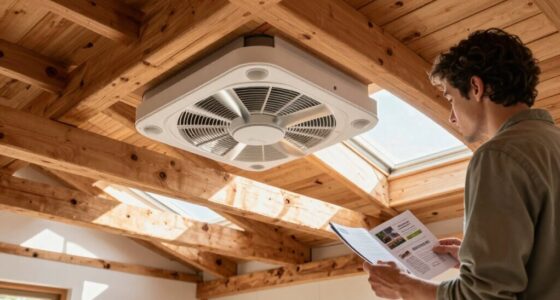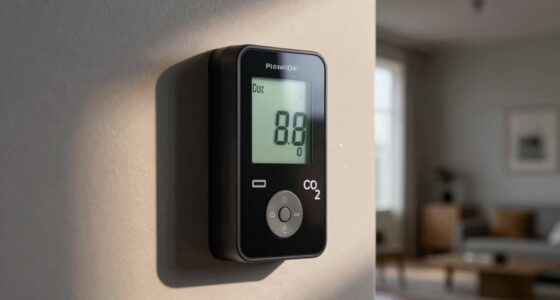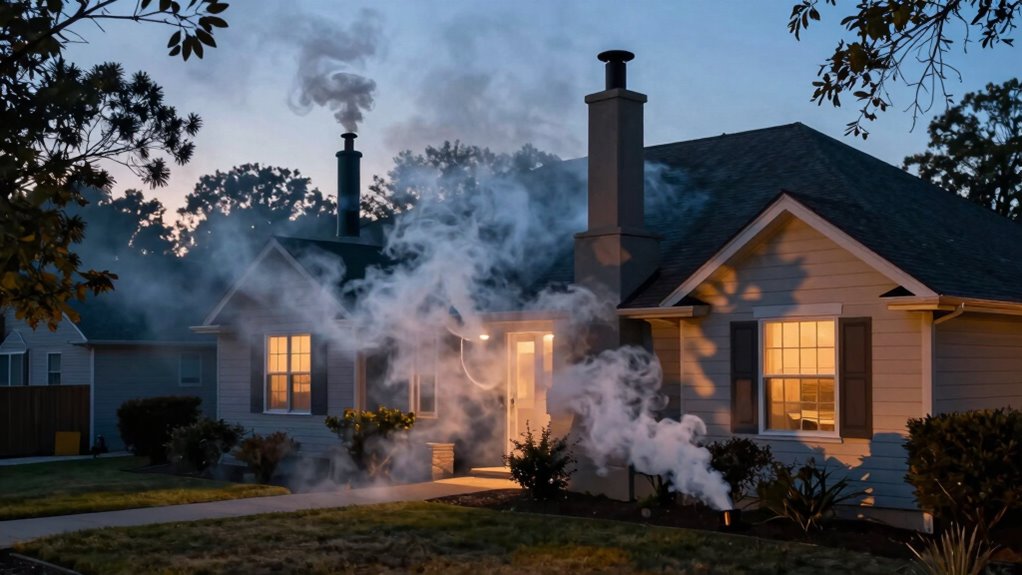

Evening CO2 patterns show how well your home’s ventilation works during the time when people gather and activities like cooking increase air pollution. Rising CO2 levels at night indicate poor airflow and stagnant air, which can impact your health and comfort. By observing these patterns, you can spot areas needing better ventilation or extra fresh air. Keep going to discover more about how understanding these patterns can help you improve your indoor environment.

Get health and wellness essentials delivered free with Prime
- Fast, free delivery on millions of items
- Prime Video, Amazon Music and more included
- Member-only deals all year
Key Takeaways
- Evening CO2 patterns reflect occupancy levels and activity in common areas, highlighting ventilation effectiveness during peak times.
- Rising evening CO2 levels indicate poor airflow, stagnation, or inadequate ventilation systems in the home.
- Monitoring nighttime CO2 helps identify ventilation issues that may impact indoor air quality and occupant health.
- Consistent CO2 increases in the evening suggest a need for airflow improvements or adjustments to ventilation strategies.
- Analyzing these patterns enables targeted actions to enhance indoor air circulation and overall home comfort.
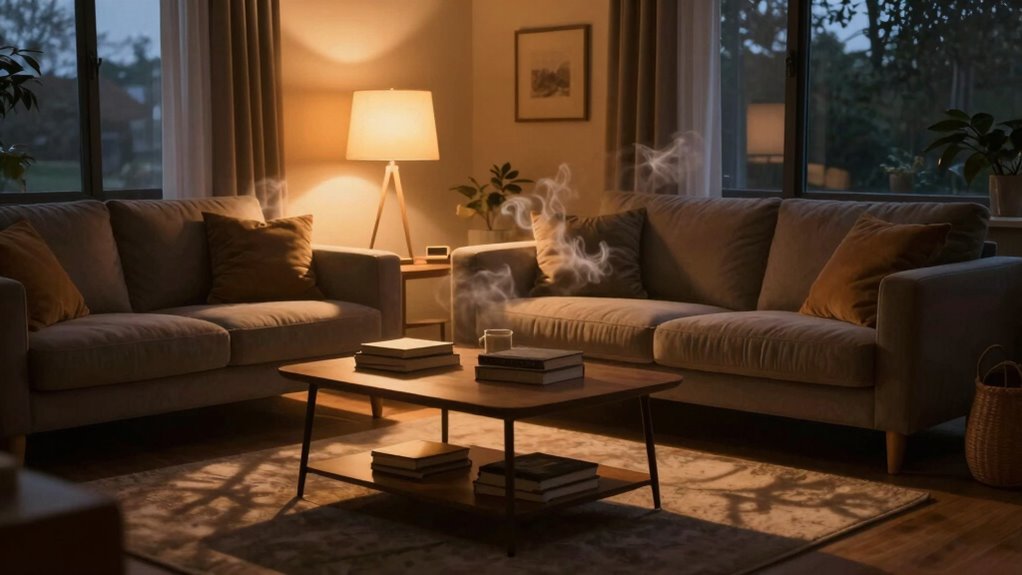
Evening CO2 patterns can tell you a surprising amount about your home’s ventilation and occupancy habits. When you observe how CO2 levels fluctuate during the evening, you gain valuable insight into your indoor air quality and how effectively your home circulates fresh air. These patterns reveal whether your ventilation system is doing its job or if stagnant air is building up from prolonged occupancy. Elevated CO2 levels in the evening often indicate that your home isn’t ventilating efficiently, which can compromise indoor air quality and lead to discomfort or health issues over time. Recognizing these patterns allows you to take action, whether that means improving airflow or adjusting your ventilation schedule.
Throughout the day, occupancy tends to be more spread out, with windows open or mechanical ventilation running. By contrast, evenings often see a concentration of people in common areas, cooking, relaxing, or engaging in activities that generate CO2. As more people occupy the space without sufficient fresh air exchange, CO2 levels naturally increase. Monitoring these levels in real time helps you understand whether your current ventilation setup is adequate or if you need to increase airflow. For example, if you notice a steady rise in CO2 levels during the evening, it’s a sign that your ventilation efficiency might be lacking, and you should consider adding air purifiers, opening windows, or enhancing your HVAC system. Additionally, understanding ventilation effectiveness can help you make more informed decisions about maintaining a healthy indoor environment. Recognizing patterns in indoor air quality can also highlight areas where air circulation might be improved for better overall health. Improved airflow management can significantly impact the overall comfort and safety of your living space.
In addition, implementing simple adjustments like regular maintenance of vents and filters can substantially improve overall ventilation efficiency. This insight into your home’s ventilation efficiency isn’t just about comfort; it’s also about health. Poor indoor air quality caused by inadequate ventilation can lead to headaches, fatigue, or respiratory issues, especially for those with allergies or asthma. By paying attention to evening CO2 patterns, you can identify potential problem areas and address them before they worsen. For instance, if certain rooms consistently show higher CO2 levels, you might need to focus on improving airflow there, perhaps by installing additional vents or ensuring that existing ones aren’t blocked. Moreover, understanding indoor air quality and how it relates to ventilation can help you implement long-term strategies for a healthier living space. Additionally, these patterns can help you determine whether your ventilation system is operating as intended or if it needs maintenance or upgrades.
In essence, understanding your evening CO2 patterns empowers you to optimize your indoor environment. You can make informed decisions about when to open windows, run air purifiers, or adjust your HVAC settings to promote better indoor air quality. The goal is to create a space where fresh air circulates efficiently, reducing CO2 buildup and making your home healthier and more comfortable for everyone. By paying close attention to these patterns, you’re taking a simple but powerful step towards improving your home’s ventilation and ensuring a healthier living environment.
As an affiliate, we earn on qualifying purchases.
Frequently Asked Questions
How Accurate Are Home CO2 Monitors Compared to Professional Assessments?
Home CO2 monitors can be fairly accurate, but their precision depends on proper calibration and sensor quality. You’ll get a better picture of ventilation effectiveness when your device is well-calibrated and regularly maintained. However, professional assessments typically provide more precise measurements and detailed analysis. While your monitor offers useful insights, especially when tracking evening patterns, trusting professional evaluations ensures an extensive understanding of your home’s air quality.
Can Evening CO2 Patterns Indicate Specific Indoor Air Quality Issues?
Absolutely, evening CO2 patterns can be a sneaky way to spot indoor air quality issues. You might find that rising CO2 levels at night hint at poor indoor air circulation or ventilation effectiveness. If your home’s CO2 spikes in the evening, it suggests you’re trapping stale air with inadequate airflow. Monitoring these patterns helps identify problem spots, so you can improve ventilation and breathe easier—literally.
Do Outdoor CO2 Levels Affect Evening Indoor CO2 Readings?
Yes, outdoor CO2 levels influence your evening indoor readings because outdoor influence and ventilation effects play a significant role. When outdoor CO2 is high, it can seep inside, raising indoor levels, especially if your home isn’t well-ventilated. Conversely, good ventilation helps exchange indoor air with cleaner outdoor air, reducing indoor CO2. Monitoring these patterns helps you understand how outdoor influence and ventilation effects impact your indoor air quality.
How Do Household Activities Influence Evening CO2 Fluctuations?
Imagine your home’s CO2 levels as a busy city’s heartbeat. Household activities like cooking or using appliances release CO2, causing fluctuations. Poor ventilation habits trap this gas, making levels spike in the evening. Conversely, opening windows or running exhaust fans helps clear it out. Your daily routines and appliance impacts directly influence evening CO2 patterns, revealing how well your home manages indoor air quality.
What Is the Ideal CO2 Level for a Healthy Home Environment?
You should aim for indoor CO2 levels below 800 parts per million (ppm) for a healthy home. Proper indoor ventilation and good air circulation help maintain these levels, reducing indoor air pollution. When CO2 rises above this threshold, it indicates poor air exchange, which can lead to discomfort and health issues. Regularly ventilate your space, especially during evening hours, to keep CO2 levels safe and guarantee fresh, healthy air.
As an affiliate, we earn on qualifying purchases.
Conclusion
By paying attention to your evening CO2 patterns, you hold the key to uncovering your home’s hidden secrets. Like a silent storyteller, these patterns whisper tales of airflow, habits, and hidden moisture—painting a vivid picture of your indoor environment. When you listen closely, you can discover the mystery of your home’s health, guiding you to create a sanctuary that’s fresh, breathable, and truly yours. Your home’s quiet language is waiting—are you ready to listen?
As an affiliate, we earn on qualifying purchases.
As an affiliate, we earn on qualifying purchases.
Cold & flu season Picks
humidifiers
As an affiliate, we earn on qualifying purchases.