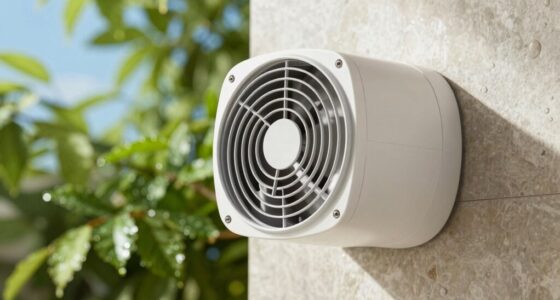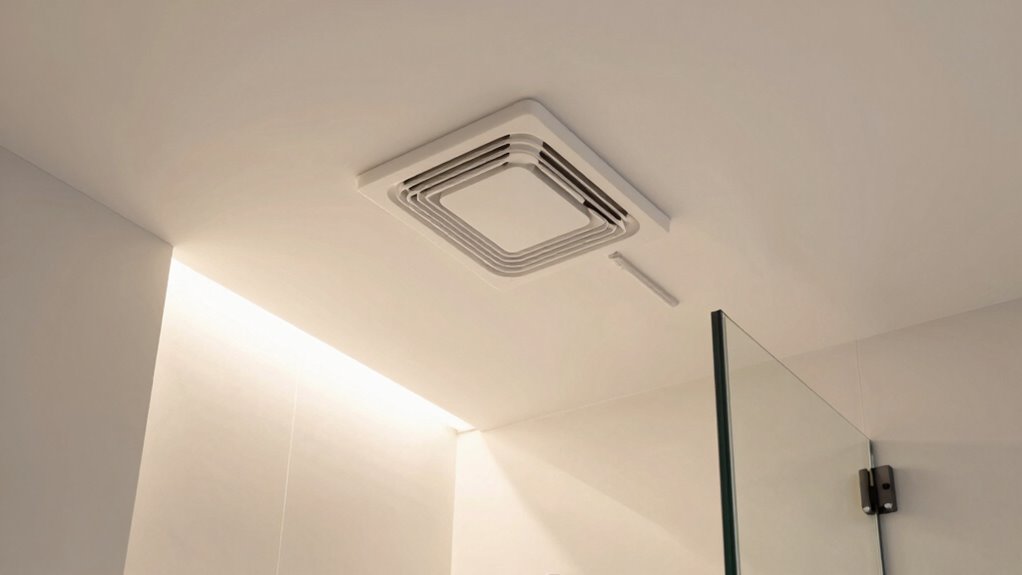

Inline bathroom fans make more sense when you need strong ventilation for spaces with high moisture, such as large or multiple-occupant bathrooms, especially if there are no windows. They’re ideal if you want quiet operation and a discreet look, since they’re installed away from the living area. Plus, they’re built to last, offering continuous airflow and better odor control. Keep going to learn more about when these fans are the right choice for you.

Get health and wellness essentials delivered free — and shop member deals
- Fast, free delivery on millions of items
- Access to Prime Big Deal Days deals on October 6–7
- Prime Video, Amazon Music and more included
Key Takeaways
- When high ventilation capacity is needed for large or multiple-occupant bathrooms.
- In spaces with limited natural airflow or no windows.
- To achieve discreet, aesthetically pleasing ventilation with minimal visible equipment.
- For effective moisture control in bathrooms prone to heavy humidity.
- When quiet, continuous operation is preferred for comfort and long-term reliability.
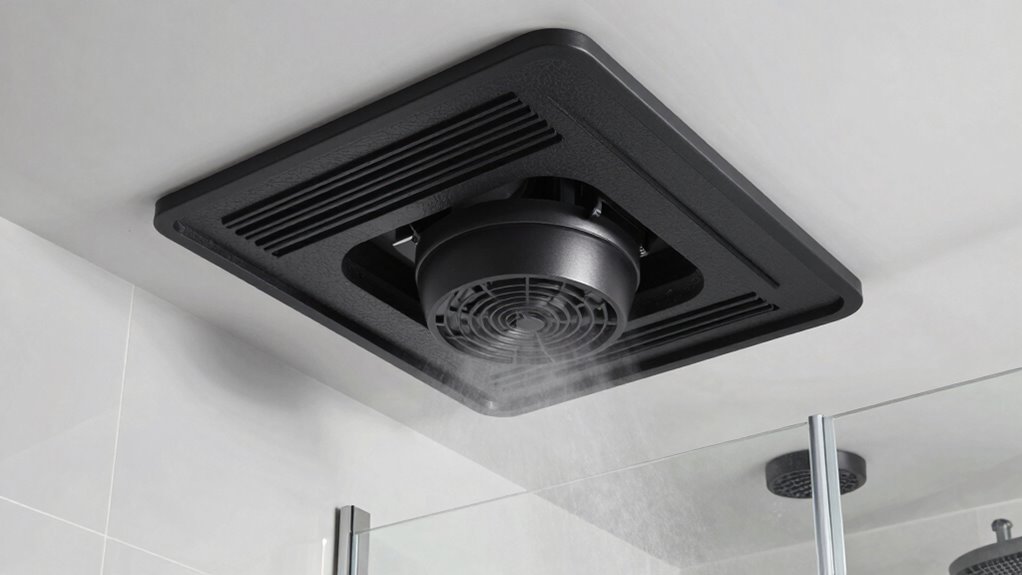
In spaces where ventilation needs are high—such as bathrooms with multiple occupants or those that handle heavy moisture—you’ll find inline fans to be particularly advantageous. Their higher CFM (cubic feet per minute) ratings mean they can exchange stale air with fresh air more rapidly, ensuring your bathroom remains comfortable and odor-free. This increased ventilation efficiency is especially essential in bathrooms that lack windows or have limited natural airflow. Since inline fans are usually installed away from the immediate living space, you benefit from a more consistent airflow without the constant hum or buzzing that can accompany some surface-mounted units. Additionally, their installation process often involves running ductwork through walls or ceilings, which can be more complex but results in a cleaner look. Noise levels are another key factor where inline bathroom fans shine. Because these fans are located inside your attic or wall cavity, you won’t hear the noise directly from the bathroom, unlike traditional fans that can be quite loud during operation. This makes them a smart choice if you prefer a quieter environment, especially in shared homes or master bathrooms where disturbances can be disruptive. The sound insulation offered by the wall or attic installation minimizes ambient noise, allowing you to enjoy a peaceful space even when the fan is running at full capacity. You’ll also appreciate their long-term durability and quieter operation, which often come with modern models designed specifically for low noise levels. Plus, since they operate behind the scenes, they’re less likely to be tampered with or accidentally turned off, ensuring continuous ventilation. While installation might be more involved and require professional help, the benefits in terms of airflow, noise reduction, and discreet operation often outweigh the initial effort.
As an affiliate, we earn on qualifying purchases.
Frequently Asked Questions
How Loud Are Typical Inline Bathroom Fans?
Typical inline bathroom fans are quite quiet, usually producing noise levels between 25 to 45 decibels. Their sound insulation helps minimize disturbance, especially since they’re installed away from the bathroom. You’ll notice that these fans operate smoothly without loud vibrations or high noise levels, making them a good choice if you want effective ventilation without sacrificing peace and quiet in your space.
Can Inline Fans Be Used in Small Bathrooms?
Yes, inline fans can be perfect for small bathrooms. Think of them as stealthy ninjas, quietly working behind the scenes. Their space-saving design means they don’t clutter your ceiling or wall, and they blend seamlessly for aesthetic integration. You won’t even notice them, yet they’re diligently managing humidity and odors. So, in tight spaces, inline fans are a smart, discreet choice to keep your bathroom fresh and comfortable.
Are Inline Fans Energy-Efficient Compared to Wall-Mounted Ones?
Inline bathroom fans are generally more energy-efficient than wall-mounted units because they often provide better ventilation effectiveness. They move larger volumes of air with less power, saving you energy over time. Although the initial cost comparison might be higher for inline fans, their improved efficiency can lead to lower operating costs. So, if you’re aiming for better ventilation and energy savings, inline fans are a smart choice.
How Long Do Inline Bathroom Fans Usually Last?
Think of your inline bathroom fan as a loyal guardian—it can last 10 to 15 years with proper care. To guarantee it keeps protecting your space, meet its ventilation requirements and perform regular maintenance tips like cleaning the blades and checking the motor. Like a well-oiled machine, your fan’s longevity depends on how well you care for it, keeping your bathroom fresh and dry for years to come.
Is Professional Installation Necessary for Inline Fans?
You should have a professional install your inline bathroom fan, especially because of installation complexity and cost considerations. These fans require proper ducting, wiring, and venting, which can be tricky if you’re not experienced. Hiring an expert guarantees everything is set up correctly, reducing potential issues like leaks or inefficient airflow. While it might cost more upfront, professional installation guarantees safety, long-term performance, and peace of mind.
As an affiliate, we earn on qualifying purchases.
Conclusion
When you’re weighing your options, inline bathroom fans can be a smart choice, especially in larger or more complex spaces. They’re like a silent hero, quietly working behind the scenes to keep your bathroom fresh and odor-free. If you value efficiency, quieter operation, and better airflow, then an inline fan might just be the perfect fit for your needs. Consider your space and ventilation goals—they could make your bathroom experience much more comfortable.
As an affiliate, we earn on qualifying purchases.
discreet bathroom ventilation fan
As an affiliate, we earn on qualifying purchases.
As an affiliate, we earn on qualifying purchases.
Fall Picks
fall essentials
As an affiliate, we earn on qualifying purchases.