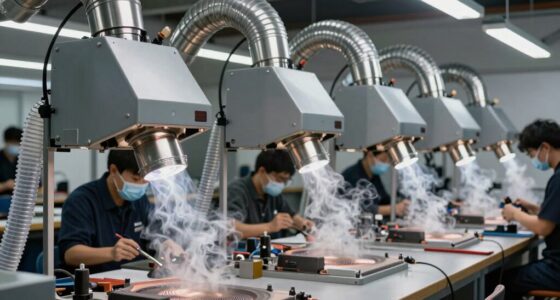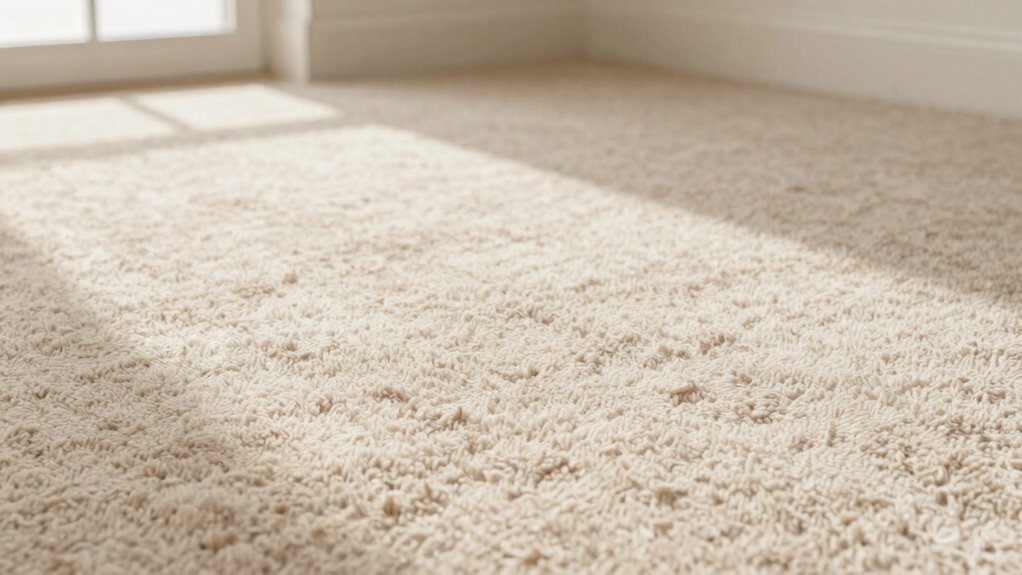
When you notice a new carpet’s smell, it’s mainly due to off-gassing chemicals like VOCs from manufacturing, adhesives, and dyes. This odor is usually strongest right after installation and can linger for days or weeks if not ventilated properly. Natural fiber carpets tend to off-gas less than synthetic ones. To reduce this scent and potential health risks, proper ventilation is key. Keep exploring to discover more ways to manage and understand this common issue.

Get health and wellness essentials delivered free — and shop member deals
- Fast, free delivery on millions of items
- Access to Prime Big Deal Days deals on October 6–7
- Prime Video, Amazon Music and more included
Key Takeaways
- Off-gassing from new carpets mainly involves VOCs released from adhesives, dyes, and flame retardants, especially in synthetic fibers.
- Strong, persistent chemical odors indicate higher VOC levels and potential health risks, while quick dissipation is usually safe.
- Natural fiber carpets like wool or cotton tend to emit fewer chemicals and have milder or no strong smells.
- Ventilation, air purifiers, and time help reduce chemical off-gassing and improve indoor air quality.
- Not all new carpet smells are harmful; some simply reflect the scent of fresh fibers or manufacturing materials.
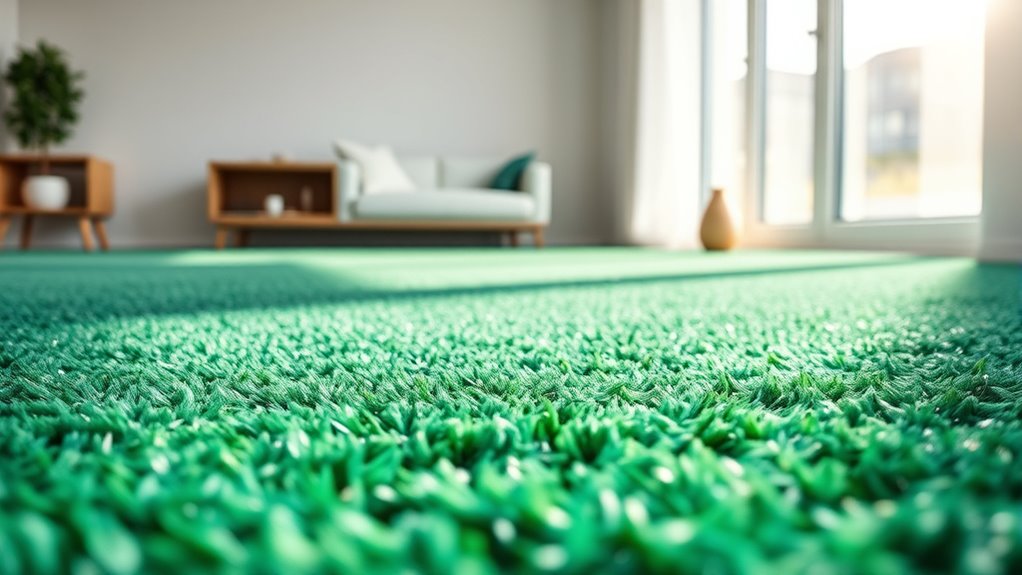
Have you ever noticed that distinct, fresh scent after installing new carpet? It’s a familiar smell that often signals a fresh start in your home, but it can also raise concerns about what’s causing it. That aroma primarily comes from volatile organic compounds, or VOCs, released as the carpet off-gasses. These chemicals are emitted into the air in the form of gases and can linger for days or even weeks. While some VOCs are harmless, others may cause irritation or more serious health issues, especially for sensitive individuals. Understanding what’s off-gassing and what’s not can help you make informed decisions about your new carpet.
Off-gassing happens when chemicals used during manufacturing, such as adhesives, dyes, and flame retardants, slowly release into the air. The process is most intense right after installation, which explains why the smell is strongest then. The chemicals evaporate over time, and ventilation can markedly speed up this process. Not all new carpet smells are dangerous, but some VOCs, like formaldehyde or benzene, are known irritants and linked to health concerns. It’s important to note that carpets made from natural fibers, such as wool or cotton, tend to off-gas fewer harmful chemicals compared to synthetic options like nylon or polyester. If you’re particularly sensitive or concerned about chemical exposure, opting for carpets labeled as low-VOC or VOC-free can make a difference.
The scent you associate with new carpet isn’t always due to chemical off-gassing. Sometimes, it’s just the smell of the new material itself—fresh fibers that haven’t been exposed to air yet. This odor typically dissipates quickly and isn’t usually a health hazard. However, the presence of a strong chemical smell that persists might mean that your carpet contains higher levels of VOCs, which could cause headaches, dizziness, or respiratory irritation in some people. If you’re worried about this, increasing ventilation by opening windows and using fans can help clear out the chemicals faster. There are also products designed to absorb VOCs, like activated charcoal or air purifiers, that can assist in reducing airborne chemicals. Additionally, understanding standby generator safety and proper air quality management can contribute to a healthier indoor environment during this off-gassing period.
Frequently Asked Questions
How Long Does New Carpet Off-Gassing Typically Last?
Off-gassing from new carpet usually lasts between a few days to a couple of weeks, but it can sometimes extend up to a month, depending on the carpet’s materials and ventilation. You can speed up the process by opening windows, using fans, and maintaining good airflow. If the smell persists beyond a month, consider consulting a professional or replacing the carpet, especially if you’re sensitive to chemical odors.
Are There Health Risks Associated With New Carpet Smell?
Sure, inhaling a new carpet’s smell is probably harmless—unless you’re auditioning for a role as a human guinea pig. While some folks experience minor irritation or allergic reactions, serious health risks are rare. If you notice persistent headaches, dizziness, or respiratory issues, it’s wise to air out the space or consult a professional. Otherwise, enjoy your new carpet without turning into a medical mystery.
Can Air Purifiers Reduce New Carpet VOC Emissions?
Yes, air purifiers can help reduce VOC emissions from new carpets. They filter out many airborne pollutants, including VOCs, improving indoor air quality. Look for models with activated carbon filters, as they are specifically effective at trapping chemical vapors. Keep windows open and ventilate the room as much as possible to speed up off-gassing. Combining these strategies makes your space safer and more comfortable faster.
Do Different Carpet Materials Emit Different Chemicals?
Yes, different carpet materials emit different chemicals. Synthetic carpets like nylon or polyester often release VOCs from manufacturing and dyes, while natural fibers like wool or cotton typically emit fewer or less harmful chemicals. You should check product labels or ask manufacturers about specific materials to understand potential emissions. Proper ventilation during and after installation helps reduce chemical buildup, making your space safer and more comfortable.
How Can I Eliminate or Reduce the New Carpet Odor Quickly?
Did you know that ventilating your space can cut odor levels by up to 80% in just a few days? To eliminate or reduce your new carpet smell quickly, open windows and use fans to increase airflow. Place bowls of baking soda or activated charcoal around the room to absorb odors. Regular vacuuming with a HEPA filter also helps. These steps speed up off-gassing and refresh your space faster.
Conclusion
Every fresh carpet carries a bit of its story, whispering secrets behind the scenes. While the scent might fade with time, it’s a gentle reminder to look beyond what’s immediate and trust your instincts. If something feels off, don’t hesitate to seek clarity or extra ventilation. Remember, a comfortable space isn’t just about what’s visible or fragrant—it’s about creating an environment where you truly feel at ease, inside and out.
Fall Picks
fall essentials
As an affiliate, we earn on qualifying purchases.