Pressed wood products like furniture, flooring, cabinets, and wall panels often emit formaldehyde, a chemical linked to health issues. These items are made by bonding wood fibers with adhesives that contain formaldehyde, which can off-gas into your home over time. Poor ventilation can increase your exposure, especially with older or cheaper furniture. Being aware of these sources and how to reduce exposure helps. Learn more about how to identify and minimize formaldehyde in your home.
Key Takeaways
- Common home sources of pressed wood include furniture, cabinets, shelves, flooring, and wall panels made from plywood or particleboard.
- These pressed wood products often contain formaldehyde-based adhesives that emit gases into indoor air.
- Off-gassing is highest shortly after installation but can continue for years in poorly ventilated spaces.
- Cheaper or older pressed wood furniture tends to emit higher levels of formaldehyde, increasing health risks.
- Choosing certified low-emission products and improving ventilation can reduce formaldehyde exposure from home pressed wood sources.

Pressed wood products, like plywood and particleboard, are common in many homes and furniture pieces because they’re affordable and versatile. You might have them in your cabinets, shelves, flooring, or even your bed frame. These materials are made by compressing wood fibers or chips with adhesives, which often contain formaldehyde to bond the particles together. While this process keeps costs low and materials durable, it also introduces potential health concerns. Formaldehyde is a colorless gas with a strong smell, and when released into your home, it can pose health risks, especially if you’re exposed over long periods.
Pressed wood furniture is affordable but may emit formaldehyde, posing health risks over time.
You may not realize how much formaldehyde can be present in your household items. Many pressed wood products emit low levels of formaldehyde right after installation, but the emissions tend to decrease over time. Still, in the first few months, the off-gassing can be noticeable, especially in enclosed spaces. If your home is poorly ventilated or if furniture is placed close to walls, the concentration of formaldehyde can build up, leading to potential irritation of your eyes, nose, and throat. For some individuals, prolonged exposure might even trigger asthma symptoms or allergic reactions, making it essential to be aware of where pressed wood is used in your home.
Common sources include pressed wood furniture, cabinetry, laminate flooring, and decorative wall panels. You might also find pressed wood in cheaper or older furniture, where the adhesives used contain higher levels of formaldehyde. Particleboard, in particular, is often coated with veneer or laminate, but the core material still contains the adhesive that releases formaldehyde. Some pressed wood products are labeled as low-emission or formaldehyde-free, but these are not always easy to identify unless you do your research or ask the seller directly. Understanding emission standards can help you select safer options.
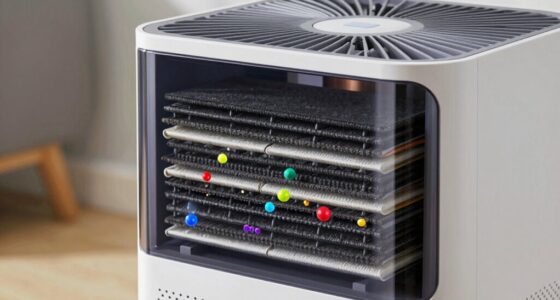
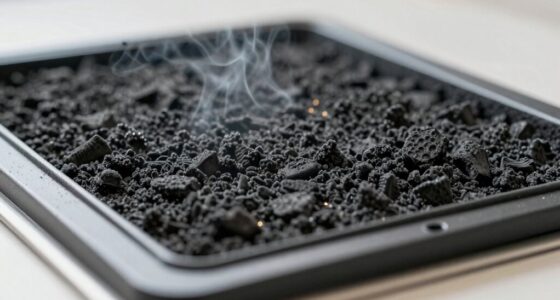
To reduce your exposure, consider choosing furniture made from solid wood or certified sustainable materials that meet strict emission standards. Increasing ventilation in your home can also help disperse any formaldehyde vapors. When purchasing pressed wood products, look for labels like CARB (California Air Resources Board) compliance or those bearing the GREENGUARD certification, which indicate lower emissions. If you already own pressed wood furniture, ensure your space is well-ventilated, especially when it’s new, and consider using air purifiers equipped with activated charcoal filters to help absorb any formaldehyde present.
Being aware of where pressed wood is used in your home allows you to take simple steps to minimize your exposure. While these materials are practical and cost-effective, understanding their potential health impacts helps you make informed choices to keep your indoor air safer.

roborock Q7 M5+ Robot Vacuum and Mop, Up to 7-9 Weeks Self-Empty, 10000Pa
- Long-lasting Self-Emptying: Up to 7-9 weeks with 2.7L dust bag
- Powerful Suction: 10000Pa for deep cleaning
- Tangle-Resistant Brushes: Dual anti-tangle design for pet hair
As an affiliate, we earn on qualifying purchases.
Frequently Asked Questions
How Can I Test My Home for Formaldehyde Emissions?
You can test your home for formaldehyde emissions using a DIY test kit available online or at hardware stores. These kits typically include test strips that you expose to the air for a specified period, then compare to a color chart. For more accuracy, hire a professional indoor air quality tester who uses specialized equipment to measure formaldehyde levels precisely. Regular testing helps make certain your home’s air remains safe.
Are There Safer Alternatives to Pressed Wood Products?
Yes, you can choose safer alternatives that breathe life into your home. Opt for solid wood, bamboo, or reclaimed materials—they’re like a gust of fresh air, free from harmful chemicals. Look for products labeled “low-VOC” or “no formaldehyde.” These choices create a sanctuary where health flourishes, turning your space into a haven that nurtures your well-being and feels as warm and inviting as a sunlit morning.
What Are the Health Symptoms of Formaldehyde Exposure?
You might experience eye, nose, and throat irritation, along with coughing, wheezing, or skin rashes. Formaldehyde exposure can also cause headaches, dizziness, and nausea. In some cases, it may trigger asthma symptoms or worsen existing respiratory issues. Long-term exposure might increase your risk of certain cancers. To protect yourself, guarantee good ventilation, reduce sources of formaldehyde, and consider using air purifiers or formaldehyde-free products.
How Long Does Formaldehyde Off-Gas From Pressed Wood?
You can expect formaldehyde to off-gas from pressed wood for several months to a year, depending on factors like humidity, temperature, and ventilation. Initially, the emissions are higher, so airing out the space helps reduce exposure. Keep in mind that even after a year, some residual off-gassing might persist at lower levels. Regular ventilation and air purifiers can help speed up the process and improve indoor air quality.
Do Air Purifiers Effectively Reduce Formaldehyde Levels Indoors?
Think of an air purifier as a vigilant guard dog, tirelessly sniffing out formaldehyde and keeping it at bay. Yes, air purifiers with activated carbon filters can effectively reduce indoor formaldehyde levels. They trap and neutralize these harmful gases, improving air quality. However, for maximum safety, combine purifiers with good ventilation, minimize pressed wood use, and consider air quality testing to guarantee your home stays fresh and healthy.

MONSGA Robot Vacuum and Mop, 90 Days Self-Emptying with 8000Pa Suction
- High Suction Power: 8000Pa maximum suction for deep cleaning
- Anti-Tangle Brush System: Dual design reduces hair wrap and knots
- Auto Carpet Boost: Increases suction on carpets for deep debris removal
As an affiliate, we earn on qualifying purchases.
Conclusion
To protect yourself, stay vigilant about pressed wood and formaldehyde sources in your home. Think of these chemicals as invisible shadows lurking in your living space, quietly threatening your health. By choosing furniture labeled low-emission or formaldehyde-free and ensuring proper ventilation, you can clear the air and keep your home a safe haven. Remember, awareness is your strongest shield—don’t let hidden dangers turn your sanctuary into a health hazard.

iRobot Roomba 415X Robot Vacuum & Mop Combo, 2.3X Suction, 90 Days Self-Emptying, Multifunction Dock Self-Cleaning & Hot Dry, Smart Obstacle Avoidance, Lifting Spinning Mops, Ideal for Pet Hair
- All-in-One Vacuum and Mop: Vacuum and mop in one run
- Enhanced Suction Power: 2.3X more suction for deep cleaning
- Self-Emptying & Self-Cleaning: 90-day self-emptying and multifunction dock
As an affiliate, we earn on qualifying purchases.

roborock Saros 10R Robot Vacuum and Mop, 22000Pa, Edge Cleaning
- Ultra-Thin Design: 3.14-inch slim profile for tight spaces
- Advanced Autonomous System: StarSight 2.0 for precise mapping
- Smart Obstacle Avoidance: Navigates furniture and cords easily
As an affiliate, we earn on qualifying purchases.