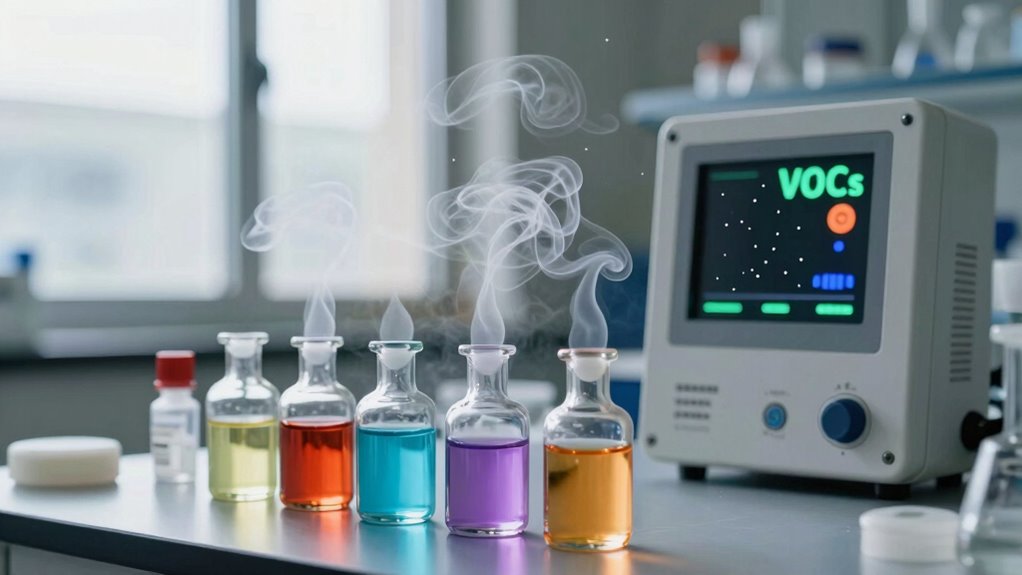

Odors come from natural or synthetic sources and indicate various airborne substances, while volatile organic compounds (VOCs) are chemicals that can cause unpleasant smells and health issues without always being detectable. Particulate matter consists of tiny particles suspended in the air, often invisible but harmful when inhaled. Monitoring and identifying these pollutants is essential for your health. If you want to understand their differences further, there’s more information available to help you navigate these air quality concerns.
Key Takeaways
- Odors are detectable smells that may indicate the presence of harmful substances, while VOCs are specific chemicals that can produce odors but are not always detectable by smell.
- Particulate Matter (PM) consists of tiny particles suspended in the air, which can be measured using specific monitoring methods, unlike odors.
- Detection Methods for odors include human sniff tests, whereas VOCs require specialized sensors for accurate identification and measurement.
- Health Risks from VOCs include headaches and respiratory issues, while PM can lead to severe respiratory and cardiovascular problems.
- Management differs: odors can be masked temporarily, while VOCs and PM require proper ventilation, air purification, and monitoring for long-term control.

LEVOIT Air Purifier for Home Allergies and Pets Hair Smokers in Bedroom, H13 True HEPA Filter, 24db Filtration System Cleaner Odor Eliminators, Remove 99.97% Dust Smoke Mold Pollen, Core 300, White
- AHAM Verified for Performance: Independently tested for air quality and efficiency
- Powerful Filtration System: 56W motor with 143 CFM CADR
- Effective for Large Rooms: Cleans 222 sq ft 4.8 times/hour
As an affiliate, we earn on qualifying purchases.
Understanding Odors: Sources and Characteristics

When you encounter an odor, you’re experiencing a complex mixture of volatile compounds that can come from various sources. These odor origins can range from natural elements like plants and animals to synthetic products like cleaning supplies and perfumes. Your scent perception plays a vital role in how you interpret these odors. For instance, certain scents may evoke memories or emotions, while others can signal danger or discomfort. Factors such as temperature, humidity, and your personal experiences can influence how you perceive different smells. Understanding these elements helps you navigate your environment, whether you’re enjoying a pleasant fragrance or identifying an unpleasant odor. Additionally, the presence of precious metals in your surroundings can also play a role in influencing air quality and how odors are perceived. Certain essential oils, such as eucalyptus oil, are known for their ability to impact the perception of odors and promote a more pleasant indoor atmosphere. Moreover, using a top rated vacuum can help eliminate particles and improve overall air quality in your home. By recognizing the origins and characteristics of odors, you can better appreciate and respond to your sensory experiences. Furthermore, being aware of better indoor air quality can significantly affect how odors are perceived in your home. In particular, maintaining good color accuracy in your living space can enhance the overall aesthetic and contribute to a more enjoyable atmosphere.

MOOKA Air Purifier for Bedroom Home Dorm 430 Ft², Compact HEPA Air Cleaner
- True HEPA Filter with 360° Air Intake: Removes dust, smoke, pollen, pet dander
- Compact & Portable Design: Powered via USB for versatile use
- Universal Voltage Compatibility: Works with 110-240V power sources
As an affiliate, we earn on qualifying purchases.
The Role of Volatile Organic Compounds (VOCs)

Volatile Organic Compounds (VOCs) play a crucial role in both the environment and our daily lives, as they are emitted from various sources, including paints, solvents, and even everyday products like air fresheners. These compounds considerably impact air quality, contributing to chemical emissions that can harm both health and the environment. Understanding the sources and effects of VOCs helps you make informed choices about the products you use. Here’s a quick overview:
| Source | Common VOCs | Impact on Air Quality |
|---|---|---|
| Paints | Toluene, Formaldehyde | Contributes to smog |
| Cleaning Products | Benzene, Ethanol | Respiratory irritants |
| Air Fresheners | Limonene, Acetaldehyde | Odor masking, pollution |
| Office Supplies | Xylene, Styrene | Long-term health effects |
| Automotive Products | Gasoline vapors | Ground-level ozone |
In addition, the use of energy-efficient cloud servers can help reduce emissions from traditional data centers, further improving air quality.
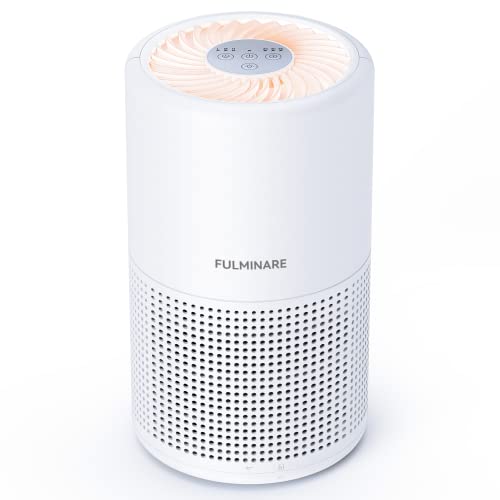
Air Purifiers for Bedroom, FULMINARE H13 True HEPA Filter
- Efficient Particle Filtration: H13 HEPA filter for clean air
- High Circulation Rate: 360° air outlet, refreshes 5x/hour
- Suitable for 215 sq ft rooms: Effective in small to medium rooms
As an affiliate, we earn on qualifying purchases.
What Are Particulate Matter and Its Types?

Particulate matter (PM) consists of tiny solid or liquid particles suspended in the air, and it can considerably affect your health and the environment. PM is categorized into different types based on size: PM10 (particles with a diameter of 10 micrometers or less) and PM2.5 (particles with a diameter of 2.5 micrometers or less). These particles can come from various sources, including vehicle emissions, industrial processes, and natural events like wildfires. For instance, Christian Yelich’s MLB career has shown how urban activities can influence air quality in densely populated areas. To guarantee healthy air quality, regular air quality monitoring is essential. By understanding particulate matter sources, you can take steps to minimize exposure, such as using air purifiers or limiting outdoor activities during high pollution days. Additionally, incorporating aroma oil diffusers into your environment can help improve air quality and promote a healthier living space. Furthermore, becoming aware of warranty terms regarding air quality solutions is crucial for making informed purchases. Keeping informed helps you make better choices for your health and well-being. Additionally, awareness of infection risks associated with environmental pollutants can help mitigate potential health issues. The impact of hidden gems in urban settings can also affect local air quality, highlighting the importance of exploring clean environments while traveling.

VOOPNU Air Purifiers for Bedroom, High Efficiency Filter, 1076 Ft², Black
- Easy-to-Use Control Panel: Intuitive design for simple operation
- Compact and Powerful: Covers 1076 ft² in a small size
- 360° Airflow Design: Ensures even air purification
As an affiliate, we earn on qualifying purchases.
Health Implications of Odors
Odors can have immediate health effects, like headaches or respiratory issues, that you might notice right away. Over time, long-term exposure to certain odors can lead to more serious health risks, especially for sensitive individuals. It’s essential to understand how these scents can impact vulnerable populations, such as children and the elderly. Additionally, implementing effective air purifiers can significantly reduce harmful indoor pollutants, leading to a healthier living environment.
Short-term Health Effects
While many people may dismiss odors as mere annoyances, they can actually pose significant short-term health risks. Poor indoor air quality can lead to immediate discomfort, such as headaches, dizziness, or nausea. You might not realize that certain odors are also allergy triggers, exacerbating respiratory issues or causing skin reactions. For instance, strong scents from cleaning products or mold can irritate your throat and lungs, especially if you’re sensitive. If you’re exposed to these odors frequently, your body may react negatively, impacting your overall well-being. It’s crucial to recognize that even short-term exposure can affect your health, so ensuring good indoor air quality and minimizing unpleasant odors can help you breathe easier and feel better. Additionally, cleaning tablets can play a key role in maintaining air quality by reducing harmful particles in your environment.
Long-term Exposure Risks
Even if you don’t notice them right away, prolonged exposure to certain odors can lead to serious health issues over time. These odors can cause respiratory problems, headaches, and even chronic conditions if left unaddressed. You might not realize that consistent exposure to unpleasant smells can stem from indoor air pollutants, which can accumulate in your living space. To mitigate these risks, consider using indoor air filtration systems that help remove contaminants. Additionally, odor neutralizers can assist in improving air quality by breaking down the molecules responsible for unpleasant smells. By taking proactive steps, you can protect your health and create a more pleasant environment, ensuring that long-term exposure doesn’t take a toll on your well-being. Practices such as deep breathing techniques can also help reduce tension and stress related to poor air quality.
Vulnerable Population Concerns
Certain populations, particularly children, the elderly, and individuals with pre-existing health conditions, are especially vulnerable to the adverse effects of odors in their environment. Poor indoor air quality can exacerbate respiratory issues and trigger allergies, making it vital to address these concerns. You should implement effective ventilation strategies to minimize odor exposure and improve air quality. Regularly opening windows, using exhaust fans, and incorporating air purifiers can help create a healthier living space. Additionally, utilizing wellness technology can provide insights into indoor air quality and help mitigate the effects of harmful odors. air purifiers can significantly reduce airborne pollutants, enhancing overall air quality. To further improve the atmosphere, consider incorporating options like high-protein breakfast offerings that can promote better health and wellness. Nike Tech innovations in materials and design can also contribute to creating healthier indoor environments through better air circulation. Incorporating energy-efficient options for heating can also enhance overall indoor air quality. By actively managing indoor air quality, you can protect vulnerable individuals from the harmful effects of persistent odors. It’s indispensable to stay informed and take proactive measures to ensure a safe and comfortable environment for everyone, especially those who are most at risk.
Health Risks Associated With VOCS
Volatile Organic Compounds (VOCs) pose notable health risks that can affect anyone exposed to them. Breathing in VOCs can lead to headaches, dizziness, and respiratory issues, especially in poorly ventilated spaces. Long-term exposure might even result in more severe health problems, including liver and kidney damage. To protect yourself, consider investing in indoor air purification systems that effectively reduce VOC levels. Regular air quality monitoring is also essential to identify and address any potential sources of VOCs in your environment. By being proactive, you can considerably improve your indoor air quality and safeguard your health against the harmful effects of VOCs. Don’t underestimate the impact these compounds can have on your well-being. Additionally, understanding cookie categories and their implications can help you make informed choices regarding your indoor environment. Maintaining awareness of user privacy is also crucial for ensuring a safe and healthy living space.
Effects of Particulate Matter on Health

While you might not see them, particulate matter (PM) can have significant effects on your health. These tiny particles can penetrate deep into your lungs and even enter your bloodstream, leading to respiratory issues, cardiovascular problems, and other serious health concerns. You may experience symptoms like coughing, wheezing, or fatigue, especially if you’re exposed to high levels of PM regularly. To safeguard yourself, consider investing in effective air filtration systems that can capture these harmful particles. Additionally, using personal protection, like masks, can help reduce your exposure when you’re in environments with elevated PM levels. By taking these precautions, you can better protect your health and improve your overall well-being. Moreover, enhancing your mental resilience can further aid in coping with the stress related to poor air quality. Engaging in activities like cooking comforting dishes, such as bread pudding, can also serve as a therapeutic outlet to alleviate stress and promote well-being.
Detecting Odors in Your Environment
Detecting odors in your environment can be essential for maintaining a healthy living space. You can use various odor detection methods, such as air quality sensors, to identify unwanted smells. These sensors can monitor indoor air quality and alert you to potential issues. Here are some common methods you might consider:
| Detection Method | Description | Pros |
|---|---|---|
| Air Quality Sensors | Devices that measure air pollutants | Real-time monitoring |
| Sniff Tests | Human assessment of odors | Simple and cost-effective |
| Chemical Sensors | Devices that detect specific chemicals | High accuracy |
Identifying VOCs: Signs and Symptoms

Identifying VOCs in your environment is essential, especially when you notice unusual odors or experience health symptoms. Common signs include headaches, dizziness, and respiratory issues. If you find yourself feeling unwell, it’s vital to assess your surroundings. Air quality monitoring can help detect VOC levels, giving you a clearer picture of your indoor air. Often, people resort to odor masking techniques, like air fresheners, to cover up the smell, but this might not address the underlying problem. Instead, focus on improving ventilation and using air purifiers designed to filter out VOCs. By being proactive, you can create a healthier living space and reduce potential health risks associated with volatile organic compounds.
Measuring Particulate Matter Levels

To effectively understand the air quality in your space, measuring particulate matter levels is essential. This helps you identify whether you’re meeting air quality standards and can guide you in improving your environment. Here are four measurement techniques you can use:
- Gravimetric Sampling: Collects particles on a filter to weigh them.
- Optical Methods: Uses light scattering to measure particle concentration in real-time.
- Electrostatic Precipitators: Captures particles by charging them and collecting them on a surface.
- Real-Time Monitors: Provides continuous data on particulate levels, helping you track changes instantly.
Frequently Asked Questions
Can Odors Be Harmful Even if They’re Not From VOCS?
Yes, odors can be harmful even if they don’t come from VOCs. Poor air quality can cause various health effects, like headaches, respiratory issues, or allergies. Strong smells from things like mold, chemicals, or even food can trigger these problems. It is crucial to be aware of your surroundings and identify sources of unpleasant odors. Improving ventilation and addressing the source can help protect your health and maintain better air quality in your environment.
How Do Weather Conditions Affect Odor Perception?
Weather conditions can substantially influence your perception of odors. On humid days, moisture in the air can intensify smells, making indoor air quality seem worse. Conversely, dry conditions can diminish odor strength. Additionally, temperature influences how air pollution sources disperse, impacting odor intensity. High temperatures can exacerbate volatile organic compounds, making them more noticeable. So, be mindful of the weather when evaluating odors in your environment; it plays a key role in your experience.
Are There Specific Odors That Signal High VOC Levels?
While not every odor signals high VOC levels, certain smells—like paint thinner or strong cleaning products—often indicate poor air quality and potential VOC sources. You might notice these odors in enclosed spaces or during renovations. However, even natural odors, like those from plants or mold, can contribute to VOC levels. It’s essential to be aware of your surroundings and ventilate well to maintain a healthy environment.
Can Pets Detect Odors and VOCS Better Than Humans?
Yes, pets can detect odors and VOCs better than you. Their olfactory sensitivity is far superior, allowing them to pick up on scents that you can’t even notice. Dogs, for example, have up to 300 million scent receptors, compared to your 5 million. They use various odor detection methods, like sniffing and tracking, to identify these compounds, making them excellent at detecting changes in their environment, including harmful substances.
What Household Items Commonly Emit VOCS?
Your home might be a silent villain, secretly releasing volatile organic compounds (VOCs) from everyday items. Think of air fresheners, paints, cleaning products, and even furniture—each can emit these sneaky compounds. If you’re concerned, an air purifier with VOC detection can be your trusty sidekick, battling harmful emissions. By keeping an eye on these household items, you can breathe easier and create a healthier environment for you and your loved ones.
Conclusion
In summary, understanding the differences between odors, VOCs, and particulate matter is vital for your health and well-being. While odors can be annoying, VOCs and particulate matter can pose serious risks. By staying alert to signs of these pollutants and measuring their levels, you can create a healthier environment for yourself. So, take charge of your space—because a breath of fresh air is worth its weight in gold! Breathe easy and make informed choices!