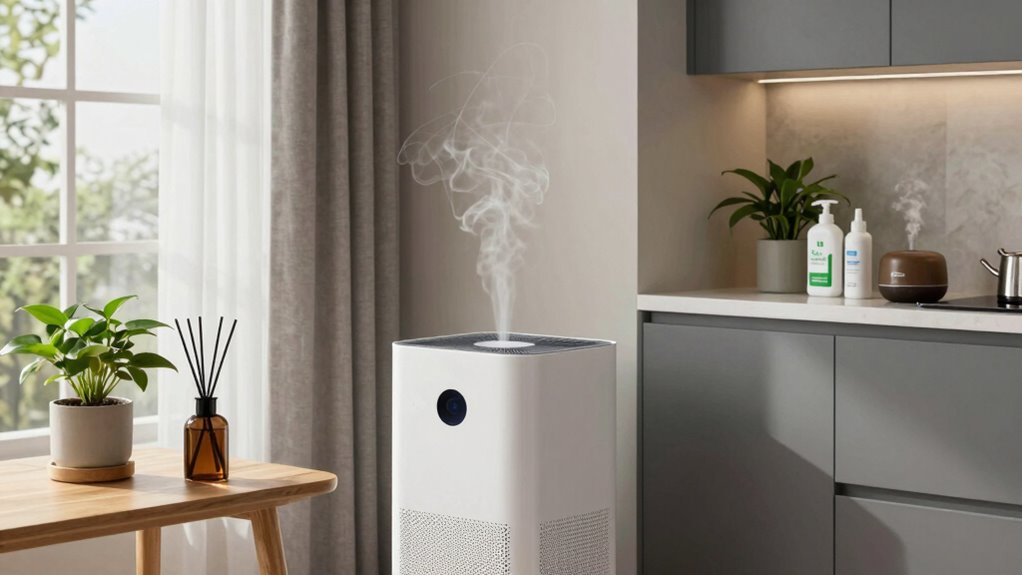
To approach off-gassing wisely, choose low- or zero-VOC products and natural materials to reduce chemical emissions indoors. Ventilate by opening windows and using exhaust fans, especially after bringing new items home. Use air purifiers with activated carbon filters and clean regularly to trap VOC particles. Avoid harsh chemical cleaners, opting for natural alternatives instead. Staying proactive with these steps makes a healthier environment, and if you keep exploring, you’ll discover even more effective ways to minimize indoor pollutants.
Listen free for 30 days with Audible
Thousands of audiobooks and originals — cancel anytime.
As an affiliate, we earn on qualifying purchases.
Key Takeaways
- Prioritize low or zero VOC products with eco-friendly certifications for furniture, paints, and cleaning supplies.
- Ensure proper ventilation during and after new purchases or renovations to disperse VOCs effectively.
- Use air purifiers with activated carbon filters to actively absorb and reduce indoor VOC levels.
- Regularly clean and dust surfaces to prevent VOC particles from settling and re-emitting into the air.
- Choose natural, non-toxic cleaning solutions and avoid products with strong chemical odors.
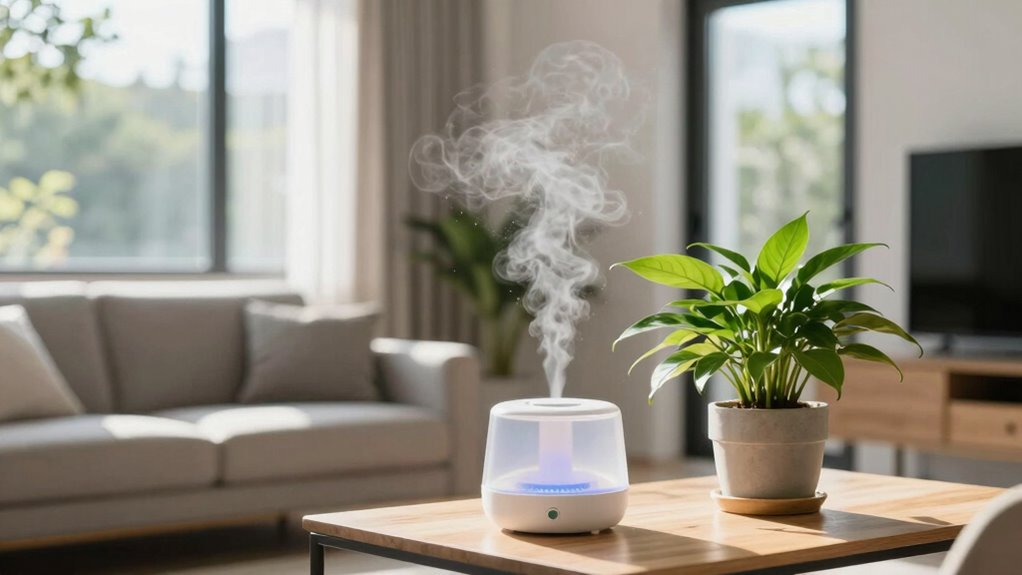
Off-gassing, the release of volatile organic compounds (VOCs) from everyday products, can impact your health and indoor air quality more than you might realize. When VOC emission occurs from items like furniture, cleaning supplies, or even paints, it introduces pollutants into your indoor environment. These compounds often linger in the air, creating a cumulative effect that can lead to headaches, respiratory issues, or allergic reactions over time. To protect your air quality, it’s crucial to understand how off-gassing happens and take proactive steps to minimize its effects.
Your first move should be to choose products with low or zero VOC content. Look for labels that specifically mention low VOC emissions or eco-friendly certifications. This small change can considerably reduce VOC emission levels in your home. When shopping for new furniture or household products, prioritize items made from natural or non-toxic materials. For instance, opting for solid wood furniture instead of pressed wood with glued composites can cut down on harmful off-gassing. Additionally, avoid products that have strong chemical smells, as these are often indicators of high VOC levels.
Ventilation plays an essential role in improving your indoor air quality. When you introduce new items or paint walls, ensure your space is well-ventilated. Open windows and use exhaust fans to circulate fresh air and help disperse VOCs. If possible, keep windows open for several hours or days after a new purchase or renovation. This simple step can dramatically lower VOC concentration indoors, making the environment safer for you and your family. Recognizing the sources of indoor air pollution can help you better address and prevent off-gassing issues. Additionally, understanding the emission sources involved can guide you in making more informed product choices. Being aware of indoor pollutants and their effects empowers you to take more targeted mitigation steps.
Another smart approach is to incorporate air purifiers equipped with activated carbon filters. These devices are specifically designed to absorb VOCs and other airborne pollutants. Running an air purifier in frequently used spaces can help maintain cleaner air and reduce the health risks associated with off-gassing. Regular cleaning and dusting also help remove any settled VOC particles, preventing re-release into the air.
Lastly, be mindful of your cleaning routines. Many commercial cleaners contain VOCs that can contribute to your indoor air pollution. Opt for natural or homemade cleaning solutions, such as vinegar and baking soda, which are effective and free from harmful emissions. By making these conscious choices, you actively improve your air quality and minimize the health risks associated with VOC emission. Taking these steps not only safeguards your well-being but also creates a healthier, safer environment within your home.
low VOC air purifier with activated carbon filter
As an affiliate, we earn on qualifying purchases.
As an affiliate, we earn on qualifying purchases.
Frequently Asked Questions
How Long Does Off-Gassing Typically Last in New Products?
Off-gassing in new products usually lasts from a few days up to several weeks, depending on the material and VOC levels. To speed up VOC reduction, guarantee proper ventilation and expose items to fresh air. Always prioritize material safety by choosing low-VOC or VOC-free products. This approach helps minimize exposure and makes your environment healthier faster, giving you peace of mind about your indoor air quality.
Are There Specific Brands Known for Minimal Off-Gassing?
Some brands excel at minimizing off-gassing, helping you breathe easier indoors. You should look for companies committed to VOC reduction and indoor air quality, like brands that use low-emission materials. These brands often carry certifications like GREENGUARD or EcoLabel, indicating their products emit fewer indoor air pollutants. By choosing them, you reduce your exposure to harmful off-gassing, creating a healthier, fresher environment in your home.
Can Off-Gassing Affect People With Chemical Sensitivities?
Yes, off-gassing can considerably affect people with chemical sensitivities, causing symptoms like headaches, dizziness, or respiratory issues. If you’re sensitive, it’s essential to improve indoor air quality by choosing low-emission products and ventilating spaces regularly. Being mindful of off-gassing sources helps create a healthier environment, minimizing exposure to potentially harmful chemicals and supporting your overall well-being.
What DIY Methods Can I Use to Test for Off-Gassing?
You can use DIY detectors to test for off-gassing and monitor air quality. Place a clean, white cloth near the item suspected of off-gassing, then check for any discoloration or odors over time. Alternatively, create a simple test with activated charcoal or baking soda in a jar to absorb chemicals, then observe any changes. These methods help you identify off-gassing sources and improve indoor air quality effectively.
Does Off-Gassing Vary by Climate or Season?
Think of indoor air as a stage where off-gassing actors perform, and climate or season as the spotlight that changes their spotlight and intensity. Seasonal variations can influence off-gassing levels, making indoor air feel more or less toxic depending on the time of year. Cold seasons may trap fumes indoors, while warmer months can help disperse them. So, yes, off-gassing varies with climate and season, affecting your indoor air quality.
natural non-toxic cleaning supplies
As an affiliate, we earn on qualifying purchases.
As an affiliate, we earn on qualifying purchases.
Conclusion
By staying vigilant and informed, you act as a guardian for your home’s air, turning off-gassing from a hidden threat into a manageable challenge. Think of it as steering through a maze—each smart choice is a step closer to clear, fresh air. With simple adjustments, you’re not just surviving but thriving in a healthier environment. Embrace these strategies, and let your home be a sanctuary where purity and safety breathe freely—your haven of peace amid invisible dangers.
As an affiliate, we earn on qualifying purchases.
eco-friendly furniture with low VOC
As an affiliate, we earn on qualifying purchases.
As an affiliate, we earn on qualifying purchases.
NFL season / tailgating Picks
team gear
As an affiliate, we earn on qualifying purchases.