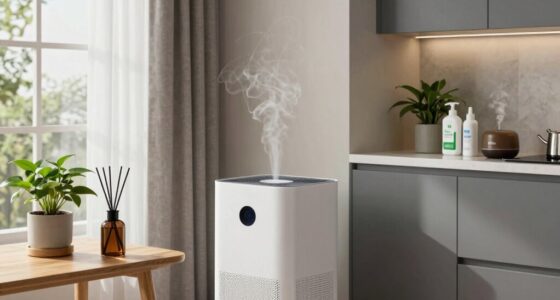
A room can feel stuffy even without dust if air circulation and ventilation are poor. Stale air tends to trap moisture, odors, and humidity, making the space feel closed off and heavy. Without enough fresh airflow, it’s easy for the environment to seem cramped and uncomfortable. You might notice a musty smell or sluggishness in the air. To improve comfort, managing airflow and humidity is key—keep exploring to discover effective ways to refresh your space.
Open a free Amazon Business account
Business pricing, bulk buying and tax-exempt orders.
As an affiliate, we earn on qualifying purchases.
Key Takeaways
- Poor air circulation traps stale air, causing a closed-off, stuffy sensation despite cleanliness.
- Inadequate ventilation prevents fresh air exchange, leading to a buildup of odors and humidity.
- High humidity levels make the air feel damp and heavy, contributing to a stuffy environment.
- Trapped moisture in textiles and furniture can increase indoor humidity, making the room feel stale.
- Lack of strategic airflow management results in stagnant air pockets, intensifying the stuffy feeling.
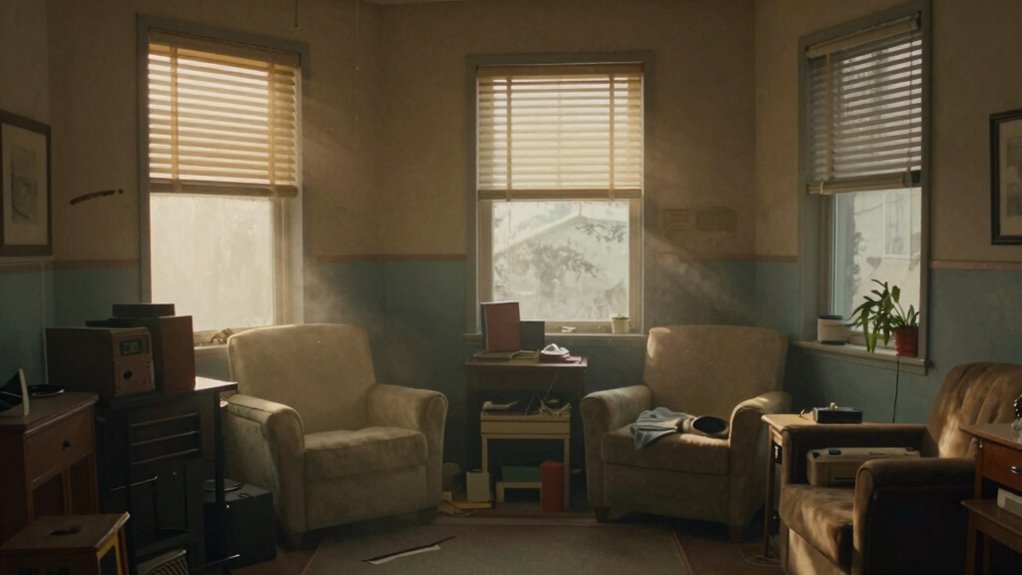
Even when a room looks clean and free of dust, it can still feel stuffy and uncomfortable. The sensation often comes down to how well the air moves and the moisture content inside. Poor air circulation traps stale air, making the space feel closed-off and claustrophobic. When air isn’t flowing freely, you might notice that the room smells stagnant, and breathing feels heavier. Good air circulation involves more than just opening a window; it requires strategic movement of air throughout the space. Using fans or HVAC systems can help circulate air efficiently, preventing pockets of stale air from forming and keeping the room feeling fresh. Additionally, airflow management can optimize how air moves within your space for better comfort. Ensuring proper ventilation is also crucial, as it helps remove excess moisture and odors that contribute to that stuffy feeling.
Proper air movement keeps your space feeling fresh and prevents that stuffy, closed-off sensation.
Humidity levels also play an essential role in how a room feels. When humidity is too high, the air becomes damp and heavy, which can make you feel sluggish and sweaty even if the temperature is moderate. Moisture in the air can also promote mold growth and musty odors, contributing to that stuffy feeling. Conversely, if the humidity drops too low, the air becomes dry, leading to irritation of your skin, throat, and nasal passages. Maintaining a balanced humidity level—ideally between 40% and 60%—can make your environment more comfortable. Using a dehumidifier or humidifier as needed can help regulate these levels, making the air feel lighter and more breathable. You might also notice that even with clean surfaces, a room still feels stale because of inadequate ventilation. Ventilation isn’t just about air exchange; it’s about ensuring fresh air enters and stale air exits efficiently. If your space lacks proper ventilation, odors and humidity can accumulate, making the air feel heavy and suffocating. An exhaust fan, open windows, or air purifiers with ventilation features can considerably improve the airflow and reduce that stuffy sensation. Additionally, keeping furniture and textiles well-maintained can prevent them from trapping moisture and odors that contribute to the discomfort. Ensuring proper ventilation can significantly enhance indoor air quality and comfort.

Honeywell TurboForce Air Circulator, Small Tabletop Fan, Quiet Personal Fan for Home or Office, 3 Speeds, 90 Degree Pivoting Head, Black, HT900
- Quiet Operation: 25% quieter than comparable fans
- Versatile Placement: Tabletop, wall-mounted, or floor use
- Powerful Airflow: Aerodynamic turbo design for maximum air movement
As an affiliate, we earn on qualifying purchases.
As an affiliate, we earn on qualifying purchases.
Frequently Asked Questions
Can Poor Ventilation Cause a Room to Feel Stuffy Without Dust?
Yes, poor ventilation can make a room feel stuffy even without dust. When air circulation is limited, indoor air becomes stagnant, trapping humidity and odors. Ventilation systems help by exchanging stale air for fresh air, preventing that stuffy feeling. Without proper airflow, your room can become uncomfortable, humid, and stuffy, so ensuring good ventilation is key to maintaining a fresh, breathable environment even if dust isn’t an issue.
How Do Humidity Levels Affect a Room’s “stuffy” Sensation?
High humidity levels can make a room feel stuffy because excess moisture hampers air circulation, trapping heat and stale air. When humidity is too low, the air can feel dry and uncomfortable, also leading to a sense of stuffiness. Proper humidity control helps preserve a balanced environment, improving air circulation and reducing that heavy, claustrophobic feeling. Keeping humidity levels around 40-60% ensures a fresh, breathable space.
Can Indoor Plants Contribute to a Room Feeling Humid or Stale?
Indoor plants can contribute to a room feeling humid or stale if you don’t manage their placement and care. They increase indoor air quality by adding moisture and oxygen, but overwatering or placing too many in a small space can elevate humidity levels, making the air feel damp or stale. To prevent this, make certain of proper plant placement, good ventilation, and monitor moisture levels, maintaining a fresh, comfortable environment.
What Role Do Air Filters Play in Reducing a Stuffy Feeling?
Think of your air filter as a gust of revitalizing life, clearing out the stubborn fog that lingers. By choosing the right air filter types, you target odors and trap airborne particles, transforming stale air into a crisp, invigorating atmosphere. Regularly replacing filters guarantees this magic continues, helping your space feel less stuffy and more inviting. It’s like giving your room a essential cleanse, restoring its natural vigor.
Are There Specific Furniture Materials That Trap Odors or Moisture?
Certain furniture materials can trap odors or moisture, making a room feel stuffy. Fabric upholstery, especially if not cleaned regularly, absorbs smells and humidity, contributing to that heavy feeling. Synthetic materials like vinyl or faux leather also trap heat and moisture, preventing proper airflow. To keep your space fresh, opt for furniture with breathable fabrics, clean upholstery often, and consider moisture-absorbing options like dehumidifiers.

VOOPNU Air Purifiers for Home, High Efficiency Filter Up to 1076 Ft², White
- Effortless Operation: Intuitive control panel for easy use
- Compact Yet Powerful: Covers 1076 sq ft in a small size
- 360° Airflow & HEPA Filter: Surround intake with 99.97% pollutant removal
As an affiliate, we earn on qualifying purchases.
As an affiliate, we earn on qualifying purchases.
Conclusion
If your room still feels stuffy without dust, it’s like a closed window with no breeze—your space needs fresh air to breathe. Improving ventilation, adding lively plants, and controlling humidity can turn your room from a stagnant pond into a lively stream. Think of it as giving your space a much-needed burst of fresh air, transforming it from a stuffy closet into a welcoming oasis. Keep things flowing, and your room will feel as fresh as a spring morning.
dehumidifier for indoor humidity control
As an affiliate, we earn on qualifying purchases.
As an affiliate, we earn on qualifying purchases.
As an affiliate, we earn on qualifying purchases.
Labor Day sales Picks
labor day deals
As an affiliate, we earn on qualifying purchases.