

Effective ventilation feels calm and natural because it creates smooth, steady airflow that evenly distributes fresh air throughout your space. When the airflow is well-managed, it avoids turbulence and drafts, making it comfortable and soothing rather than chaotic. Proper vent placement, pressure balance, and airflow rates are key to achieving this harmony. If you’re curious how to optimize your system for the perfect burst of fresh air, keep exploring these essential principles.

Get health and wellness essentials delivered free with Prime
- Fast, free delivery on millions of items
- Prime Video, Amazon Music and more included
- Member-only deals all year
Key Takeaways
- Consistent, gentle airflow without sudden gusts or turbulence creates a calming environment.
- Proper vent placement ensures even air distribution and prevents stagnant spots.
- Adherence to ventilation standards maintains optimal airflow rates and pressure balance.
- System design that promotes smooth, predictable airflow enhances comfort and reduces chaos.
- Avoiding abrupt pressure changes and drafts fosters a natural, breathable space.
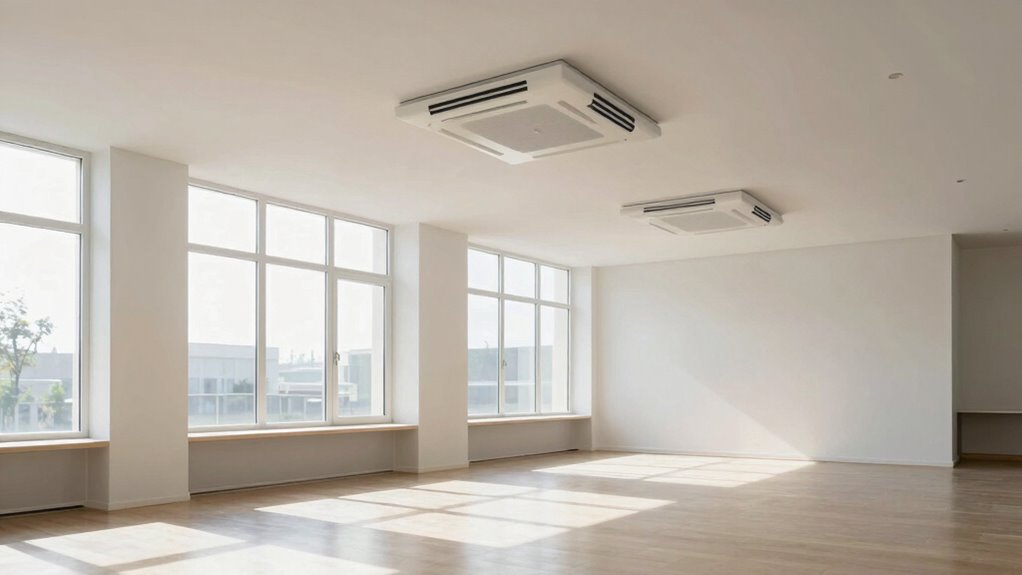
Effective ventilation is essential for maintaining healthy indoor air quality, especially in enclosed spaces. When ventilation works well, it feels natural and unobtrusive. Instead of a chaotic rush of air, you notice a gentle, consistent flow that keeps the environment fresh without creating drafts or discomfort. This sense of effectiveness comes down to understanding airflow dynamics—how air moves through a space—and how well the system adheres to ventilation standards designed to optimize air exchange. If airflow is uneven, turbulent, or poorly managed, the ventilation feels chaotic, making the space uncomfortable and potentially unsafe.
To make ventilation feel effective rather than chaotic, you need a system that promotes smooth airflow. Proper airflow dynamics ensure that fresh air circulates evenly throughout the room, reaching every corner without creating turbulence or pockets of stagnant air. When air moves in predictable, controlled patterns, it contributes to a sense of comfort. You don’t feel gusts or drafts, but rather a steady, gentle flow that refreshes the space. Achieving this involves designing ventilation systems that consider factors like air velocity, pressure differences, and the placement of vents and exhausts. When these elements are optimized, the airflow remains consistent and calming, rather than chaotic or disruptive. Understanding airflow dynamics and how they influence system performance is key to designing effective ventilation solutions, especially in spaces where maintaining a stable environment is critical.
Adhering to ventilation standards is equally important. These standards provide guidelines for airflow rates, vent placement, and filtration to ensure safe and effective air exchange. When your system complies with these standards, it balances air intake and exhaust efficiently, preventing issues like stale air or excessive drafts. Ventilation standards also specify minimum airflow requirements, so you’re assured of adequate ventilation even during peak usage. Meeting these standards helps create a predictable airflow pattern that feels natural and unobtrusive, rather than erratic or overwhelming. Properly implementing ventilation standards fosters a reliable airflow that enhances comfort and health, aligning with the goal of a seamless and well-regulated airflow. Additionally, well-designed systems often incorporate air distribution principles to further improve airflow consistency and comfort. Recognizing the importance of system design can further optimize airflow management and overall performance. Furthermore, paying attention to factors like air change rate can help fine-tune the system for optimal efficiency and comfort.
In essence, a well-designed ventilation system harmonizes airflow dynamics with established standards. It ensures that air moves gently and consistently, rather than in chaotic bursts. This harmony creates an environment where the air quality feels fresh but not forced, and the space remains comfortable. When you experience ventilation that feels effective, it’s because the airflow is carefully managed to avoid turbulence and stagnation, resulting in a space that breathes naturally and feels just right. Good ventilation isn’t about loud fans or constant noise; it’s about a seamless, well-regulated flow of air that maintains comfort and health.
ventilation system with proper vent placement
As an affiliate, we earn on qualifying purchases.
As an affiliate, we earn on qualifying purchases.
Frequently Asked Questions
How Does Room Size Affect Ventilation Efficiency?
Room size greatly impacts ventilation efficiency because larger rooms with spacious dimensions allow airflow to move smoothly, creating consistent airflow patterns. Smaller rooms may cause air to become stagnant or chaotic if ventilation isn’t properly designed, leading to uneven distribution. By understanding your room’s dimensions and optimizing airflow patterns, you guarantee fresh air circulates effectively, making ventilation feel controlled and comfortable instead of chaotic.
What Are Common Signs of Ineffective Ventilation?
You notice ineffective ventilation when airflow consistency is off, causing stale air or uneven circulation. Poor odor control is another sign, as smells linger or intensify instead of dissipating. If you feel stuffiness, experience drafts, or see dust buildup, these are indicators your ventilation isn’t working well. Addressing airflow issues and ensuring proper vent placement can improve air quality, making your space feel fresher and more comfortable.
Can Ventilation Be Improved Without Opening Windows?
Yes, you can improve ventilation without opening windows by using air purifiers and upgrading your ventilation systems. Air purifiers help filter out airborne pollutants, making the air feel fresher, while efficient ventilation systems circulate air more effectively. Make certain your HVAC is well-maintained and consider adding exhaust fans or air exchange units to boost airflow. These steps create a healthier environment without needing to open windows.
How Does Furniture Placement Impact Airflow?
Furniture placement is like a game of Tetris—you want to maximize airflow without obstruction. You should keep larger pieces away from vents and windows, ensuring they don’t block airflow paths. Arrange furniture to create clear routes for air to circulate smoothly, reducing airflow obstruction. Proper furniture arrangement helps ventilation feel natural and effective, making your space more comfortable without chaos or stuffiness.
What Role Does Humidity Play in Ventilation Effectiveness?
Humidity plays a vital role in ventilation effectiveness by influencing moisture balance. When humidity levels are well-controlled, your space feels more comfortable and air feels fresher. Proper humidity control prevents excess moisture, which can cause mold and musty odors, making ventilation seem chaotic. Maintaining ideal humidity ensures airflow feels smooth and natural, enhancing overall comfort and air quality. So, managing humidity is essential to a well-functioning, effective ventilation system.
As an affiliate, we earn on qualifying purchases.
Conclusion
So, next time your ventilation system seems chaotic, remember it’s actually working hard to keep things balanced. Sometimes, what feels like disorder is just the system’s way of ensuring fresh air reaches every corner. Ironically, a little chaos might be what makes ventilation truly effective—reminding you that perfection isn’t always neat or predictable. Embrace the imperfections; they’re often the secret to a healthier, more comfortable space.
As an affiliate, we earn on qualifying purchases.
As an affiliate, we earn on qualifying purchases.
Cold & flu season Picks
humidifiers
As an affiliate, we earn on qualifying purchases.