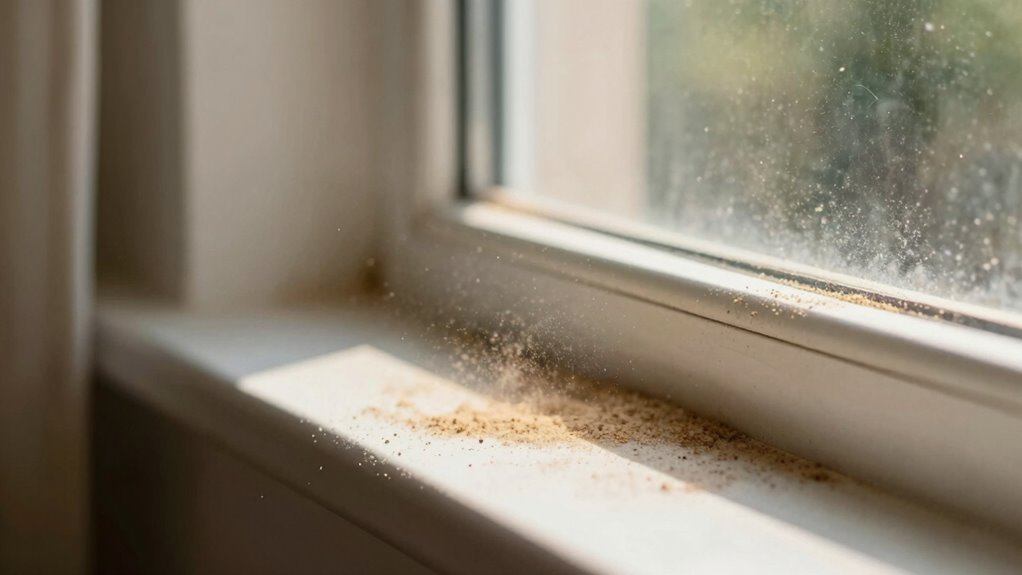

Outdoor dust easily finds its way inside because small gaps around windows and doors, as well as cracks, allow particles to enter. When you open windows for fresh air or walk inside with shoes on, dust from outdoors gets tracked in. Pets can carry dust on their fur, and particles settle on surfaces or float in the air. To learn how to minimize this infiltration and improve indoor air quality, keep exploring these helpful tips.

Get health and wellness essentials delivered free — and shop member deals
- Fast, free delivery on millions of items
- Access to Prime Big Deal Days deals on October 6–7
- Prime Video, Amazon Music and more included
Key Takeaways
- Gaps around windows and doors allow outdoor dust to enter easily.
- Opening windows introduces outdoor particles, especially during windy conditions.
- Shoes and pets carry outdoor dust inside, increasing indoor accumulation.
- Outdoor dust particles are tiny and easily infiltrate through ventilation systems.
- Poorly maintained ventilation and filters fail to trap incoming dust effectively.
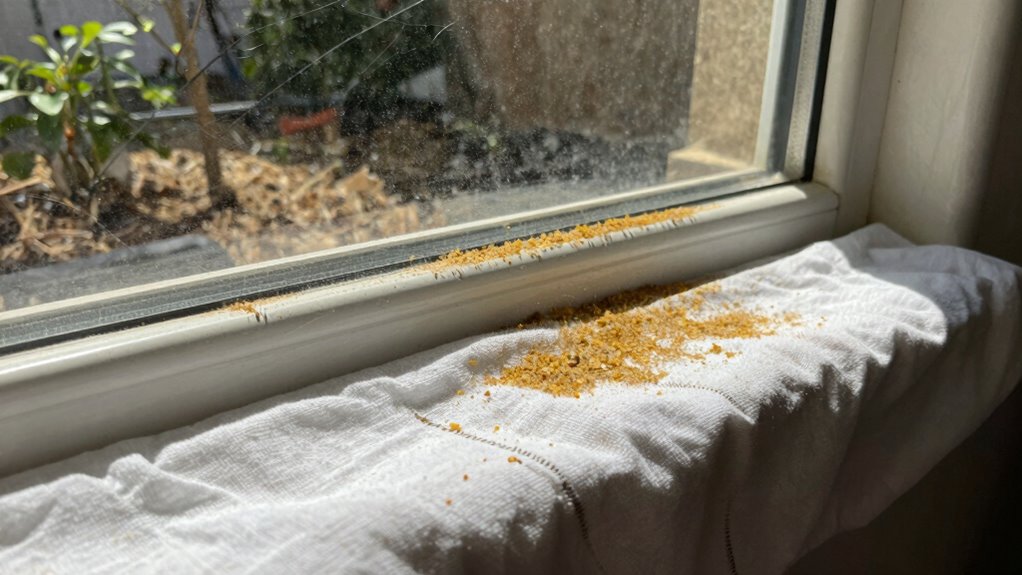
When you step outside, it’s easy to assume that dust stays outdoors, but in reality, outdoor dust often makes its way inside your home. This sneaky dust can considerably impact your indoor air quality, making the air you breathe less healthy. As you go about your day, dust particles are constantly floating in the air outside—tiny bits of soil, pollen, pollutants, and dead skin cells—that easily find their way through gaps in windows, doors, and ventilation systems. Once inside, these particles settle on surfaces or become suspended in the air, contributing to dust accumulation that can be hard to control if you’re not vigilant.
Outdoor dust easily enters your home, impacting air quality and making dust buildup harder to control.
Your home isn’t a sealed fortress, so outdoor dust has many entry points. Even minor cracks around windows or small gaps in door frames allow dust to sneak in unnoticed. When you open windows for fresh air, you inadvertently invite outdoor particles inside, especially if the wind is strong or if there’s a lot of activity outside. Pets can also carry outdoor dust on their fur, bringing it indoors when they come inside. Shoes are another major culprit, as they track in dirt and dust from outside, especially after walking on unpaved or dusty roads. Once inside, this dust settles on furniture, carpets, and other surfaces, gradually increasing dust accumulation. Proper home sealing can help prevent many of these entry points and reduce dust infiltration.
Poor ventilation can worsen the problem, trapping dust particles indoors rather than allowing them to escape. If your home lacks proper air circulation, dust can linger longer in the air, causing your indoor air quality to decline. This is especially problematic for allergy sufferers or people with respiratory issues, as dust particles can aggravate symptoms and reduce overall comfort. Regular cleaning helps, but it’s not enough on its own. Without addressing the root causes of dust entry and improving air quality, dust will continue to settle and become airborne again, perpetuating a cycle of dust accumulation. Additionally, ventilation systems play a crucial role in controlling indoor dust levels by removing airborne particles and ensuring proper air exchange. Properly maintaining and upgrading these systems can make a significant difference in air quality. Incorporating high-efficiency filters into your ventilation system can further enhance its ability to trap smaller dust particles and improve overall indoor air health.
To reduce outdoor dust infiltration, consider sealing cracks and gaps around windows and doors, installing high-quality air filters, and using air purifiers. Changing filters regularly and ensuring your ventilation system is maintained can substantially cut down on dust particles circulating inside. Remember, controlling outdoor dust isn’t just about cleanliness—it’s about safeguarding your indoor air quality and creating a healthier living environment. By being mindful of how outdoor dust enters your home, you can take steps to minimize dust buildup and breathe cleaner air every day.
high efficiency air filters for HVAC
As an affiliate, we earn on qualifying purchases.
As an affiliate, we earn on qualifying purchases.
Frequently Asked Questions
How Does Outdoor Dust Affect Indoor Air Quality?
Outdoor dust affects your indoor air quality through dust infiltration, where tiny particles enter your home, especially when windows or doors are open. This dust can settle on surfaces or be circulated by your air filtration system, reducing air quality. To limit this, make certain your filters are high-quality and replace them regularly. Sealing gaps and minimizing open windows during dusty days also helps prevent outdoor dust from compromising your indoor environment.
Can Indoor Plants Help Reduce Outdoor Dust?
Imagine lush green leaves acting as natural filters, catching dust before it settles inside your home. Indoor plants can help reduce outdoor dust by trapping particles through their leaves, aiding in indoor air purification. However, for ideal results, you need regular plant maintenance to prevent dust buildup and guarantee they stay healthy. Though they contribute, don’t rely solely on plants; combine them with other cleaning methods for cleaner indoor air.
What Are the Best Ventilation Practices to Minimize Dust Entry?
To minimize dust entry, you should optimize your ventilation practices by using air filtration and proper ventilation systems. Install high-quality filters in your HVAC to trap dust particles effectively. Regularly clean and replace filters, and guarantee your ventilation system is well-maintained to promote fresh airflow without bringing in outdoor dust. Using exhaust fans in high-dust areas also helps reduce indoor dust levels, keeping your space cleaner and healthier.
Do Certain Building Materials Trap More Outdoor Dust?
Yes, certain building materials can trap more outdoor dust. For example, porous materials like wood, drywall, or carpet fibers tend to trap dust particles more effectively than smooth, non-porous surfaces like tile or metal. If your home has these dust-trapping materials, you might notice more dust indoors. Regular cleaning and choosing less porous building materials can help reduce dust buildup and keep your indoor air cleaner.
How Often Should I Clean to Prevent Dust Buildup Indoors?
You should clean at least once a week to prevent dust buildup indoors. Regular cleaning helps with dust prevention by removing particles before they settle deeply. If you notice more outdoor dust coming in, increase your cleaning frequency to twice a week or more. Use a damp cloth or vacuum with a HEPA filter to effectively capture dust and keep indoor air quality high. Consistent cleaning keeps your space cleaner and healthier.
As an affiliate, we earn on qualifying purchases.
Conclusion
You might be surprised to learn that indoor air can contain up to 2 to 5 times more dust than outdoor air, mainly because dust easily enters through open windows, shoes, and ventilation systems. It’s important to regularly clean and filter your indoor spaces to keep dust levels down. By understanding how easily outdoor dust infiltrates your home, you can take simple steps to protect your indoor air quality and breathe easier every day.
As an affiliate, we earn on qualifying purchases.
As an affiliate, we earn on qualifying purchases.
Fall Picks
fall essentials
As an affiliate, we earn on qualifying purchases.