
You might overlook how indoor air circulation, cleaning products, and maintenance habits contribute to fine particle buildup at home. Poor airflow from closed windows or cluttered filters traps dust, pet dander, and microscopic particles that can linger for hours. Using sprays, aerosols, or even “green” cleaners can release tiny particles and VOCs. Regularly maintaining ventilation systems and choosing natural cleaning options helps reduce these hidden sources. Keep exploring to uncover more ways to improve your indoor air quality.
Key Takeaways
- Household cleaning products, especially sprays and aerosols, release fine particles that often go unnoticed.
- Poor indoor ventilation traps airborne particles from everyday activities, increasing indoor pollution.
- HVAC filters that are not regularly maintained can allow fine particles to circulate indoors.
- Natural sources like pet dander and dust accumulate due to inadequate air exchange and cleaning.
- Mold growth from moisture issues can produce fine particles that are often overlooked in air quality concerns.
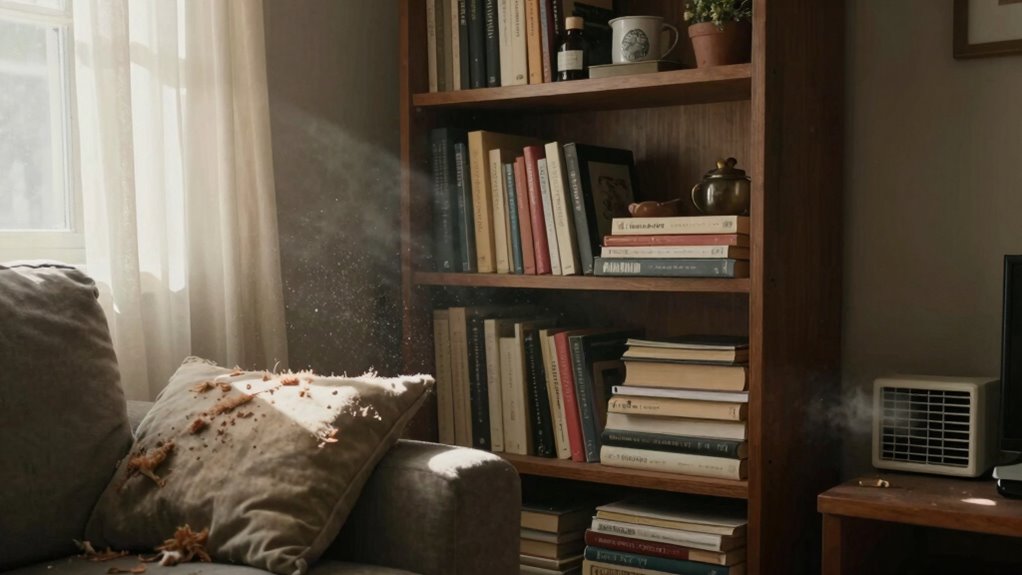
Have you ever considered that your home might be harboring hidden sources of fine particles? Many people focus on outdoor pollution or obvious hazards, but fine particles can quietly accumulate indoors, impacting your health. One overlooked source is indoor air circulation. Poor airflow can trap airborne particles inside your home, allowing them to settle on surfaces or linger in the air for hours. When your home’s ventilation isn’t adequate, dust, pet dander, and microscopic particles from various household activities become more concentrated. This can happen if windows stay closed for long periods or if your HVAC system isn’t properly filtered. Improving indoor air circulation involves simple steps like opening windows regularly, using exhaust fans, or upgrading your air filtration systems. These actions help move stale air out and draw fresh air in, reducing the buildup of fine particles. Additionally, air exchange rates play a crucial role in maintaining healthy indoor air quality and preventing particle buildup. Ensuring proper ventilation strategies can enhance the effectiveness of your efforts and help maintain a healthier indoor environment. Regularly checking and maintaining your ventilation systems can also prevent the growth of mold and other pollutants that contribute to indoor fine particles. Incorporating air quality awareness into your routine can further help you identify and address sources of indoor pollution before they become problematic.
Another noteworthy source often underestimated is household cleaning products. Many cleaning agents contain chemicals that generate fine particulate matter when used. Sprays, wipes, and aerosols release tiny particles into the air that you can breathe in unknowingly. Even products labeled as “green” or “natural” aren’t always safe, as some still emit volatile organic compounds (VOCs) that contribute to indoor air pollution. When you clean, these particles become suspended in the air, especially if you don’t ventilate properly afterward. Over time, this can lead to increased exposure to fine particles, which may cause respiratory irritation or worsen allergy symptoms. To minimize this risk, opt for cleaning products with fewer chemicals, or better yet, use natural alternatives like vinegar and baking soda. Always ensure good ventilation during and after cleaning, so airborne particles disperse quickly and don’t settle on surfaces or get inhaled. Additionally, indoor air circulation can significantly reduce the accumulation of these particles. Regular maintenance of your ventilation systems can further improve the removal of indoor pollutants. Incorporating air filtration systems such as HEPA filters can also help capture fine particles more effectively, providing an extra layer of protection for your indoor air quality. Being aware of the potential sources of indoor fine particles and taking proactive steps can lead to a noticeably healthier living environment.

Purivortex Air Purifiers for Bedroom, Quiet Air Purifier with HEPA Filter for Pollen, Smoke, Dust, Pet Dander, Odor, Hair, Ozone Free, Covers Up to 880 Sq Ft, PX500 Black
Cleaner Air In Minutes: Purivortex is proven to filter common pollutants from your home’s air. This air purifier…
As an affiliate, we earn on qualifying purchases.
As an affiliate, we earn on qualifying purchases.
Frequently Asked Questions
How Do Indoor Plants Affect Fine Particle Levels at Home?
Indoor plants can influence fine particle levels by releasing plant emissions, which may add to indoor air pollution, and by trapping soil dust on their leaves and in the soil. While they can improve air quality by filtering some pollutants, poorly maintained plants might contribute to dust and emissions. To minimize these effects, keep your plants healthy, clean their leaves regularly, and guarantee proper soil management.
Can Pet Grooming Products Contribute to Indoor Fine Particle Pollution?
Pet grooming products can markedly boost indoor fine particle pollution, almost like a cloud of dust taking over your space. When you groom your pet, pet dander and grooming chemicals become airborne, creating tiny particles that linger in the air. These particles can worsen allergies and respiratory issues, making your home less healthy. To minimize this, use gentle grooming products and groom pets in well-ventilated areas.
Do Home Cleaning Routines Influence the Presence of Fine Particles?
Yes, your cleaning routines can impact indoor air quality by increasing fine particles. Using aggressive cleaning methods, such as sweeping or dry dusting, stirs up dust and allergens into the air. Opt for damp cloth cleaning or vacuuming with a HEPA filter to reduce these particles. Regular cleaning helps, but choosing gentle, effective cleaning methods minimizes the release of fine particles and improves overall indoor air quality.
Are There Specific Building Materials That Release Fine Particles?
Certain building materials, like drywall, flooring, and insulation, release fine particles through emissions, contributing to indoor dust sources. You might not realize that materials such as pressed wood products or paints can emit volatile organic compounds (VOCs) and fine particles over time. Regularly ventilating your home and choosing low-emission materials can help reduce these building material emissions, improving indoor air quality and minimizing fine particle buildup.
How Does Humidity Impact the Generation of Indoor Fine Particles?
Did you know that maintaining ideal humidity levels can reduce indoor fine particles by up to 50%? When humidity is too high, mold growth accelerates, releasing spores and fine particles into the air. Conversely, low humidity causes dryness, which can break down surfaces and create dust. By controlling humidity levels, you minimize mold growth and lessen the generation of indoor fine particles, creating a healthier living environment.
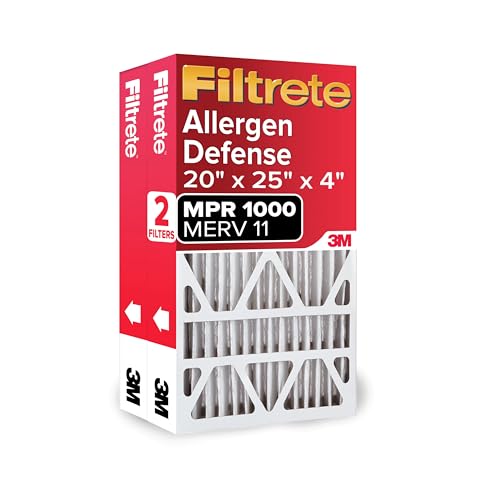
Filtrete 20x25x4 Air Filter MERV 11, MPR 1000 Micro Allergen Defense 2-Pack, Fits Honeywell & AprilAire, AC Furnace HVAC Filters for Home, Pleated Electrostatic (Actual Size 19.88 x 24.63 x 4.31 in)
DIFFERENT FROM NOMINAL SIZE: Slightly different from the nominal size, this air filter’s exact dimensions are 19.88 in…
As an affiliate, we earn on qualifying purchases.
As an affiliate, we earn on qualifying purchases.
Conclusion
So, next time you think your home is spotless, remember—those tiny particles hiding in your everyday habits are like sneaky ninjas, silently invading your lungs with every breath. From cozy fires to everyday cleaning, they’re plotting their tiny attack. Don’t underestimate the power of these unseen enemies — they could turn your peaceful sanctuary into a battleground. Stay vigilant, keep your air clean, and don’t let these microscopic invaders win the battle for your health!
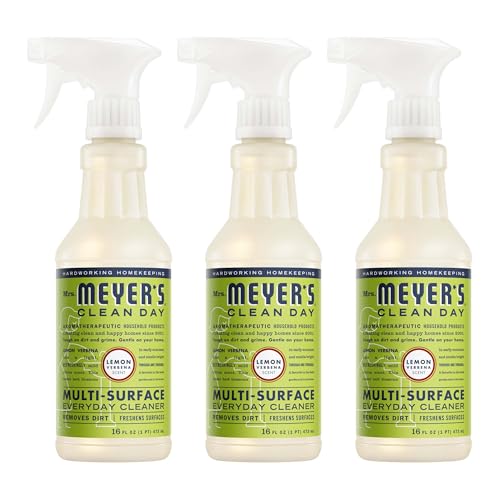
MRS. MEYER'S CLEAN DAY All-Purpose Cleaner Spray, Cruelty Free Formula, Lemon Verbena, 16 fl. oz – Pack of 3
REMOVES DIRT, FRESHENS SURFACES: A Multi-Surface Spray that cleans nonporous surfaces quickly, and leaves a fresh garden-inspired scent…
As an affiliate, we earn on qualifying purchases.
As an affiliate, we earn on qualifying purchases.

Panasonic WhisperFit Retrofit Ceiling Mount Bathroom Exhaust Fan, 50-80-110 CFM, FV-0511VF1
Retrofit Bathroom Ventilation Fan: Equipped with a revolutionary DC/ECM motor and SmartFlow technology, this whisper quiet, Energy Star-certified…
As an affiliate, we earn on qualifying purchases.
As an affiliate, we earn on qualifying purchases.