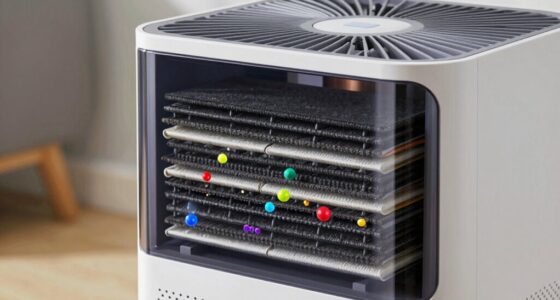

Many odor triggers you encounter aren’t caused by personal hygiene or neglect. Environmental factors like mold, dampness, and poor ventilation often produce musty smells that aren’t obvious. Strong cleaning products or air fresheners can also mislead you, masking underlying issues rather than solving them. Personal body odors can come from health or environmental influences, not just cleanliness. Understanding these hidden sources can help you identify the real causes behind persistent smells—there’s more to uncover if you continue exploring.
Key Takeaways
- Many odors attributed to neglect are actually caused by environmental issues like mold or high humidity.
- Poor ventilation can trap odors, making them seem more persistent, regardless of hygiene.
- Artificial scents and air fresheners may mask underlying problems but can trigger sensitivities or headaches.
- Body odors can result from health conditions or medications, not just poor hygiene or cleanliness.
- Environmental factors such as dampness or leaks often produce odors mistaken for personal neglect.
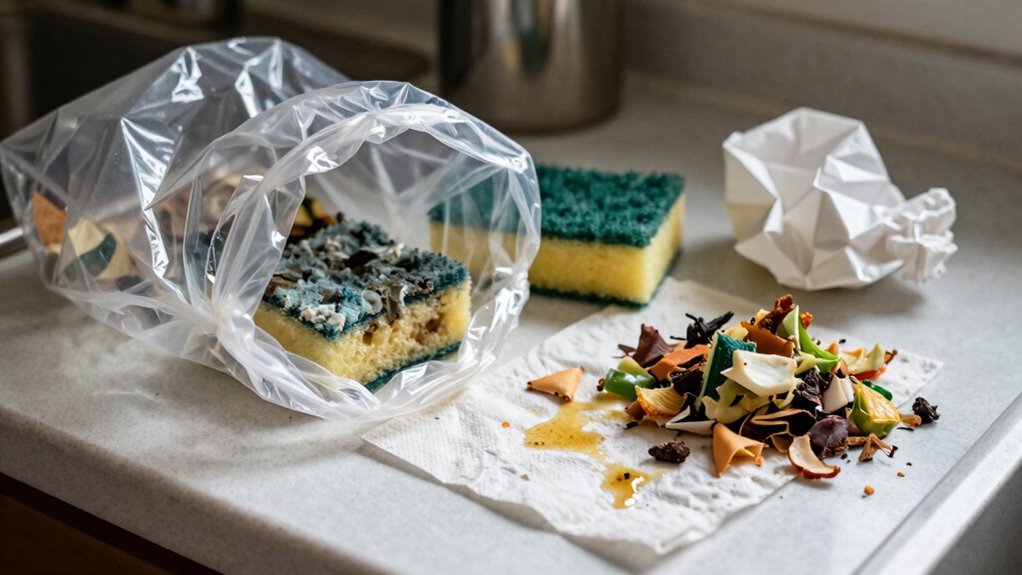
Odors can activate your senses unexpectedly, often triggering memories or emotional responses without warning. You might find yourself suddenly transported back to a childhood moment or feeling a surge of nostalgia from a familiar scent. These reactions aren’t always tied to obvious sources; sometimes, they come from surprising places linked to environmental factors or personal hygiene habits. You might assume that a foul smell means someone isn’t maintaining proper personal hygiene, but many times, environmental factors play a bigger role than you realize.
Odors often trigger memories and emotions, influenced more by environment than personal hygiene.
For example, the smell of dampness or mold often causes discomfort, yet it’s rarely because someone has neglected their hygiene. Instead, it’s more about the environment—poor ventilation, water leaks, or high humidity create conditions where mold and mildew thrive. These odors can linger in homes, offices, or public spaces, triggering a sense of discomfort or even respiratory issues. The environment around you, like a musty basement or a humid bathroom, can be a powerful odor trigger that’s unrelated to personal hygiene. Environmental factors such as these are often overlooked but significantly impact indoor air quality and odors. Additionally, air circulation can greatly influence how odors disperse or persist within a space, making it harder to eliminate unwanted smells. Improving ventilation systems can often help reduce these environmental odors and improve overall air quality.
Similarly, certain scents in the environment, such as strong cleaning products or air fresheners, might seem harmless but can actually become odor triggers if you’re sensitive or have developed a specific association. You may notice a headache or nausea after entering a room heavily fragranced, even if the person living there practices good hygiene. It’s not necessarily about neglect but about how environmental factors and the chemicals used in everyday products interact with your senses. Sometimes, these artificial scents mask underlying issues like poor ventilation or mold, which are the true culprits behind persistent odors. Understanding indoor air quality can help you better identify and address the root causes of these odor triggers.
On the other hand, personal hygiene plays a significant role in odor triggers, but it’s often misunderstood. People tend to assume bad odors always mean neglect, but that’s not always true. Sometimes, underlying health issues, diet, or certain medications can cause body odors despite good hygiene practices. Sweat itself isn’t the problem; it’s the bacteria on your skin that interact with it, producing smells. If your hygiene routine isn’t thorough or if you’re sweating excessively due to environmental factors like heat or physical activity, odors may become more noticeable. Yet, even with proper hygiene, certain environmental conditions can amplify these smells, making them more prominent.
In essence, odor triggers are complex and often a mix of personal hygiene and environmental factors. Recognizing this helps you understand that not every foul smell points to neglect. Instead, paying attention to the environment—such as ventilation, humidity, and chemical exposure—can provide insights into the true sources of odors. Being aware of environmental causes can help you address odors more effectively and avoid unnecessary assumptions. So, next time you notice a strange smell, consider both personal habits and environmental influences before jumping to conclusions. Sometimes, the cause isn’t what you initially think but something more subtle lurking in the surroundings.

Arm & Hammer Clean Burst Moisture Absorber and Odor Eliminator Tubs, 14 oz., 3 Pack, Attract and Trap Excess Moisture, Eliminate Musty Odors, Convenient and Effective
- Moisture Absorber and Odor Eliminator: Attracts and traps excess moisture
- Odor Control: Eliminates stale odors effectively
- Versatile Use: Suitable for closets, bathrooms, laundry, and mud rooms
As an affiliate, we earn on qualifying purchases.
As an affiliate, we earn on qualifying purchases.
Frequently Asked Questions
Can Certain Clothing Materials Affect Odor Perception?
Yes, certain clothing materials can affect odor perception. Fabrics with strong scents or those prone to scent absorption, like polyester or nylon, tend to trap odors more than natural fibers like cotton or linen. You might notice that synthetic fabrics hold onto fabric scents longer, making odors seem more intense. Choosing breathable, natural materials can help reduce scent absorption and keep your clothes smelling fresher for longer.
Do Household Plants Contribute to Indoor Odors?
Houseplants do contribute to indoor odors, but not in ways you’d imagine—they’re more like tiny, natural deodorizer options. While some plants release subtle fragrances, their effect on air purifier effectiveness is minimal. Think of them as helpers rather than main solutions. To truly combat odors, combine houseplants with active air purifiers and natural deodorizer options like baking soda or activated charcoal. This combo packs a punch against unwanted smells!
How Do Medications Influence Body Odor?
Medications can influence your body odor through side effects that alter your natural scent. Prescription odors, caused by certain drugs, may make you smell different or stronger than usual. Some medications impact sweat glands or metabolism, leading to noticeable changes. If you notice a new or unusual odor after starting a medication, talk to your doctor. They might adjust your dosage or suggest alternatives to reduce these side effects.
Can Humidity Levels Change How Odors Are Detected?
Humidity effects can definitely influence how you perceive odors. When humidity is high, moisture in the air can amplify certain smells, making them seem stronger or more noticeable. Conversely, in dry conditions, odors may seem weaker or less detectable. This variation affects odor detection because moisture interacts with scent molecules, either intensifying or diminishing their presence, so you might notice smells differently depending on the humidity levels around you.
Are There Common Household Items That Mask Odors?
Imagine a superhero cape made of air freshener spray—bold in theory, flimsy in reality. You might think household items like candles or sprays mask odors, but air freshener myths suggest they only cover smells temporarily. Odor absorber effectiveness varies; some work like a charm, others just hide the problem. Instead, ventilate rooms and clean surfaces for truly fresh air, not just a fragrant illusion.
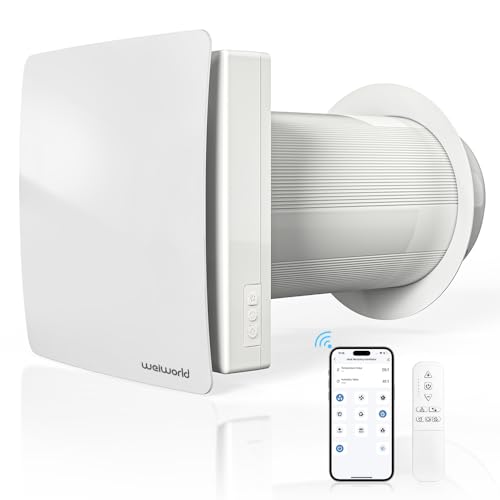
Weiworld Through Wall HEPA Ventilation Fan with WiFi & Remote Control, Ultra Quiet EC Motor Wall Vent, Fresh Air Intake & Air Exchange System for Bedroom, Home Office, Attic
- HEPA Filtration System: Pre-filter, HEPA filter, activated carbon
- Fresh Air Exchange: Continuous intake and exhaust
- WiFi & Remote Control: Adjust speed and modes easily
As an affiliate, we earn on qualifying purchases.
As an affiliate, we earn on qualifying purchases.
Conclusion
So, next time you catch an odd smell, don’t jump to conclusions. That mysterious odor might just be lurking from your everyday life—nothing sinister, just the sneakiest triggers. These scents have the power to fool even the most seasoned nose, turning your day upside down. Keep an open mind and don’t let mistaken odors hijack your mood. After all, the tiniest trigger can become the biggest olfactory drama queen—so stay alert!
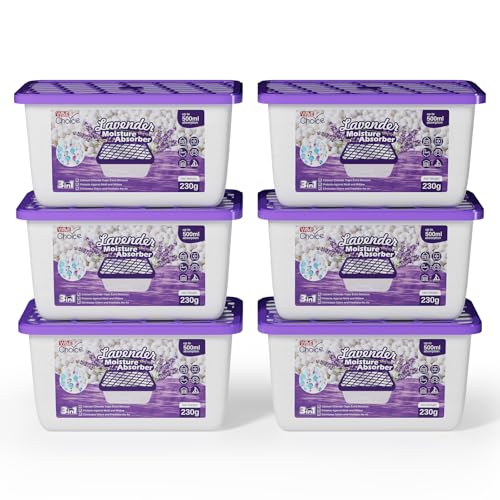
W&E Choice Moisture Absorber, Lavender Scented Dehumidifier for Home, Large Capacity Humidity Pack for Closet/Basement/Bathroom, Leak Proof & Stable Rectangular Design, 6 Pack
- High-Purity Calcium Chloride: Rapid moisture absorption with lavender scent
- Leakproof Dual-Layer Design: Prevents leaks and protects belongings
- Stable Rectangular Shape: Enhanced stability for various locations
As an affiliate, we earn on qualifying purchases.
As an affiliate, we earn on qualifying purchases.

Purivortex Air Purifiers for Bedroom, Covers Up to 880 Sq Ft, PX500 Black
- Covers Large Areas: Covers up to 880 sq ft
- Fast Air Purification: Purifies a 215 sq ft room in 15 min
- High-Efficiency Filtration: Removes 99.97% of pollutants
As an affiliate, we earn on qualifying purchases.
As an affiliate, we earn on qualifying purchases.