
The hidden mistake in bedroom sensor placement is often positioning sensors where external factors like drafts, direct sunlight, or high humidity can influence them. These spots may seem convenient but can cause inaccurate readings, leading to false alarms or system errors. To get reliable data, you need to avoid such interference and follow proper guidelines. If you want to discover more about avoiding common placement pitfalls and optimizing your sensors, keep exploring further.
Open a free Amazon Business account
Business pricing, bulk buying and tax-exempt orders.
As an affiliate, we earn on qualifying purchases.
Key Takeaways
- Placing sensors near drafts, direct sunlight, or moisture sources can skew readings and reduce accuracy.
- Ignoring manufacturer guidelines may lead to improper placement and unreliable data collection.
- Positioning sensors too close to external influences compromises their ability to measure true environmental conditions.
- Failing to calibrate sensors regularly can cause inaccurate readings despite correct placement.
- Overlooking environmental factors during placement can result in false alarms or missed detections.
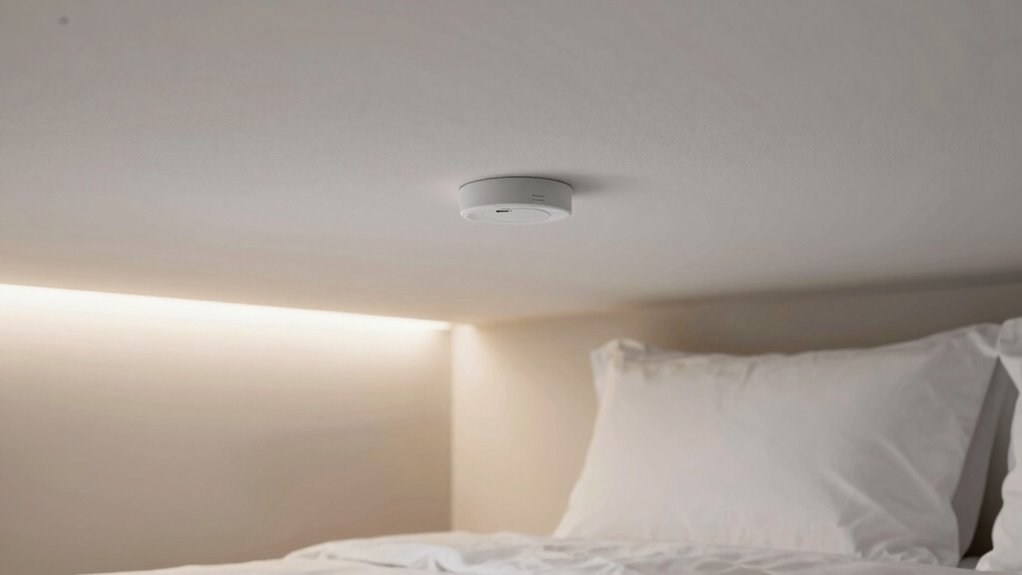
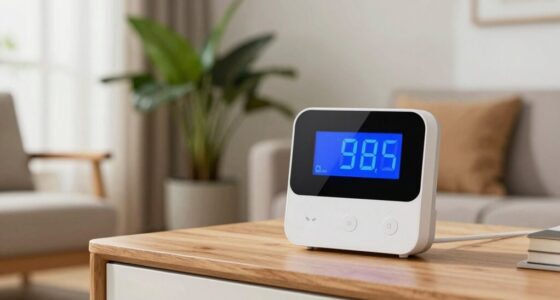
Have you ever overlooked a critical detail when installing sensors, only to find that their placement compromises your system’s accuracy? It’s a common mistake that can lead to frustrating troubleshooting and unreliable readings. In bedrooms, this oversight can be especially problematic, as temperature, humidity, and air quality sensors need precise placement to deliver meaningful data. When you’re setting up these devices, it’s tempting to simply position them in convenient spots, but that approach often overlooks the importance of proper sensor calibration and device compatibility. If your sensors aren’t correctly calibrated, even the best placement won’t yield accurate results. Calibration ensures that the sensor’s readings match real-world conditions, so you need to contemplate this before installation. For example, placing a temperature sensor near a window or close to a heating vent can skew readings, making it seem like the room is warmer or cooler than it actually is. Proper calibration involves adjusting the device according to manufacturer instructions, but that step is meaningless if the sensor is placed where external factors influence its measurements. Additionally, understanding sensor calibration is crucial for maintaining accuracy over time. It’s equally important to consider environmental factors when choosing sensor locations, as external influences can significantly impact readings. This is why understanding the sensor environment** is essential for ensuring data accuracy. Moreover, selecting the right sensor type for your specific needs can enhance system reliability and reduce the likelihood of false alarms. Device compatibility also plays a pivotal role in sensor accuracy. Not all sensors are compatible with every device or system, which can cause false alarms or missed issues if you’re not careful. For instance, some sensors are designed specifically for certain smart home ecosystems and might not communicate effectively with others. Before installation, verify that your sensors match your system’s specifications and that they’re compatible with your existing devices. This compatibility check helps prevent miscommunication and ensures your system functions smoothly. It’s equally important to think about the environment where you’re placing the sensors. Avoid spots that are prone to drafts, direct sunlight, or moisture, as these factors can interfere with sensor calibration and device compatibility. Additionally, considering sensor placement guidelines can help optimize their effectiveness and longevity. Ultimately, the key to avoiding this hidden sensor placement mistake is to educate yourself about your specific sensors and their requirements. Read the manufacturer’s guidelines thoroughly and perform calibration tests in different spots within your bedroom to find the most accurate placement. Remember, a sensor’s location isn’t just about convenience; it’s about accuracy and reliability. When you take the time to contemplate calibration needs and device compatibility upfront, you’ll create a smarter, more responsive system that truly reflects your environment. That way, you’re not just installing sensors—you’re guaranteeing they work effectively, providing you with trustworthy data** to improve your comfort and safety.

Govee Indoor Hygrometer Thermometer H5075 with Bluetooth App Control
- Smart Remote Monitoring: Supports Bluetooth app control up to 164ft
- High Accuracy Sensor: Temperature ±0.54°F, Humidity ±3%RH
- Fast Refresh Rate: Updates every 2 seconds for real-time data
As an affiliate, we earn on qualifying purchases.
As an affiliate, we earn on qualifying purchases.
Frequently Asked Questions
How Do Hidden Sensors Impact Bedroom Privacy?
Hidden sensors can profoundly impact your bedroom privacy by enabling sensor detection without your knowledge. If these sensors are covertly placed, they may lead to a privacy breach, exposing your personal routines and conversations. You might not realize how easily someone could monitor your space, which makes it essential to be aware of potential hidden sensors and take steps to detect and prevent unauthorized surveillance, safeguarding your privacy and peace of mind.
Are There Legal Restrictions on Hidden Sensor Placement?
Imagine you’re in a Victorian novel, but today, legal considerations matter. Yes, there are legal restrictions on hidden sensor placement. Privacy regulations vary by jurisdiction but generally prohibit invasive monitoring without consent. You must guarantee sensors respect personal boundaries and legal standards, or risk penalties. Always check local laws before installing hidden devices, and remember, respecting privacy isn’t just legal—it’s the right thing to do.
Can Hidden Sensors Cause Health Concerns?
Hidden sensors can cause health concerns mainly through prolonged exposure to electromagnetic fields, which some people find unsettling. While sensor detection technology is generally safe, privacy invasion is a real worry if sensors are placed without your knowledge, leading to stress or anxiety. If you’re concerned, make sure sensors are correctly installed and monitored, and choose devices that meet safety standards to minimize health risks and protect your privacy.
What Are the Signs of Incorrect Sensor Placement?
You might notice inconsistent readings or unexplained alerts, which signal incorrect sensor placement. If your sensor’s calibration seems off or the data appears unreliable, it’s a clear sign your placement lacks accuracy. Poor placement can lead to false alarms or missed issues, so double-check the sensor’s position, ensuring it’s in a spot that accurately captures the environment. Proper placement guarantees reliable data and peace of mind.
How Often Should Sensor Placement Be Reviewed?
You should review your sensor placement regularly, ideally every six months, to guarantee peak performance. During these reviews, check sensor calibration and follow the placement guidelines closely to avoid hidden mistakes. Environmental changes, such as new furniture or remodeling, can affect sensor accuracy. By staying proactive and re-evaluating placement, you ensure sensors function correctly, providing reliable data and maintaining safety in your space.
As an affiliate, we earn on qualifying purchases.
Conclusion
Now that you see the sneaky trap of improper sensor placement, don’t let your bedroom become a fortress of blind spots. Think of your sensors as vigilant guardians, guiding you safely through the night’s shadows. When placed wisely, they’re like a lighthouse on a stormy sea, illuminating every corner and keeping danger at bay. Take charge, adjust their positions, and turn your bedroom into a sanctuary where safety shines as bright as dawn’s first light.
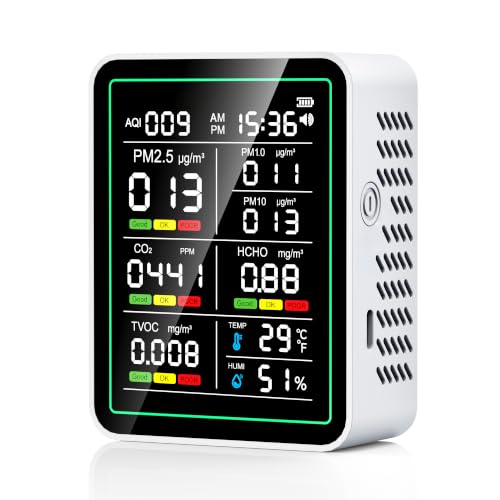
ZEMEOLLO Air Quality Monitor Indoor, 10-in 1 Smart Air Quality Tester
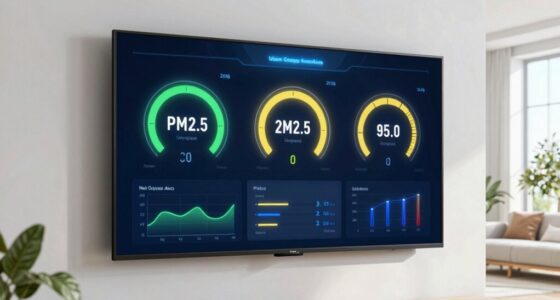
- 10-in-1 Multi-Gas Detection: Monitors CO₂, HCHO, TVOC, benzene, PM2.5, PM10
- High-Definition Color Display: Shows real-time data with visual alerts
- Intelligent Data Visualization: Automatically generates environmental quality reports
As an affiliate, we earn on qualifying purchases.
As an affiliate, we earn on qualifying purchases.

Aqara Zigbee Door and Window Sensor 1 Pack, Wireless Mini Contact Sensor
- Requires Aqara Hub: Sold separately, supports specific models
- Wi-Fi Network Needed: 2.4 GHz for Hub, 2.4/5 GHz for G3
- Wireless Range: Within 400 inches of Zigbee hub
As an affiliate, we earn on qualifying purchases.
As an affiliate, we earn on qualifying purchases.
Flea & tick season Picks
flea and tick prevention
As an affiliate, we earn on qualifying purchases.