
TL;DR
Open a free Amazon Business account
Business pricing, bulk buying and tax-exempt orders.
Create a free accountAs an affiliate, we earn on qualifying purchases.
The Ministry of Health has transferred 20 Awajún children from the indigenous community of Condorcanqui to Lima. This development highlights ongoing health and safety concerns but leaves some details unconfirmed.
The Ministry of Health has transferred 20 children of the Awajún indigenous community from Condorcanqui to Lima, citing health and safety reasons. The move, confirmed by official sources, aims to address urgent health concerns among the children and ensure their access to specialized medical care. The transfer has sparked discussions about intervention protocols and the impact on the community.
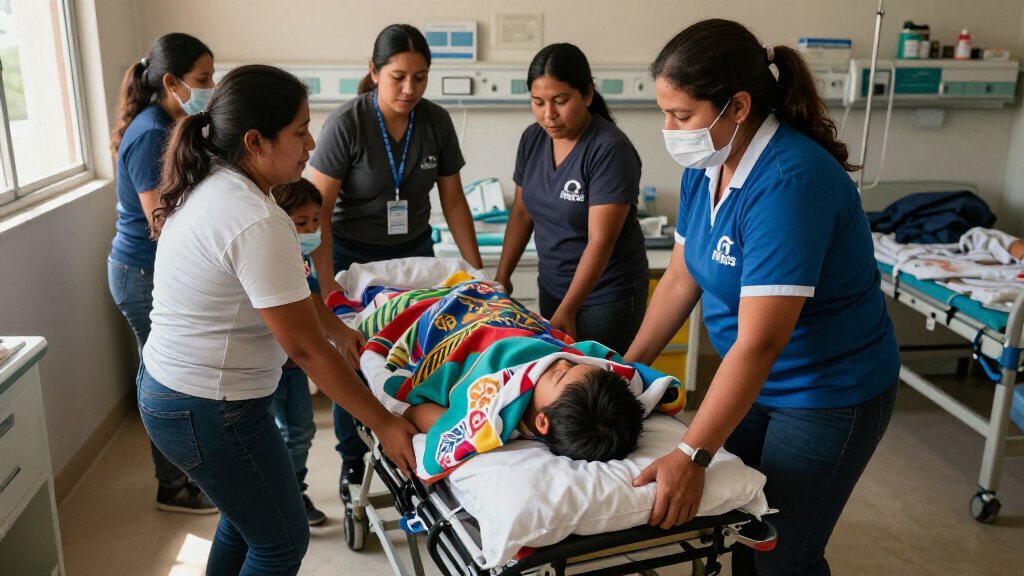
According to the Ministry of Health, the 20 Awajún children were moved from the remote community of Condorcanqui to Lima earlier this week. The transfer was carried out to provide the children with medical attention that could not be adequately delivered in their native region, due to limited healthcare infrastructure and ongoing health issues.
Official statements indicate that the decision was made following consultations with local health authorities and community leaders. The children are reported to be receiving medical evaluations and care at facilities in Lima, although specific health conditions have not been publicly disclosed.
Sources from the Ministry emphasize that the intervention was necessary to safeguard the children’s health, though details about the criteria used for selecting these particular children remain undisclosed. The transfer was executed discreetly, with no immediate reports of protests or resistance from the community, but some local voices have expressed concern about the implications of such relocations.
Implications for Indigenous Health Interventions
This transfer underscores ongoing challenges in providing adequate healthcare services to remote indigenous communities in Peru. It highlights the government’s efforts to address health disparities but also raises questions about the methods used for intervention and community involvement. The move could influence future policies on health interventions among indigenous populations, emphasizing the need for culturally sensitive approaches and transparent communication.
medical evaluation kits for children
As an affiliate, we earn on qualifying purchases.
As an affiliate, we earn on qualifying purchases.
Background on Healthcare Access in Condorcanqui
Condorcanqui, a district in the Amazonas region, is known for its predominantly Awajún population living in remote and often inaccessible areas. Healthcare infrastructure in such regions is limited, leading to significant health disparities compared to urban centers like Lima. Past interventions by government agencies have included medical missions and emergency transfers, but these efforts are often met with mixed reactions from local communities.
The recent transfer follows a pattern of government actions aimed at addressing urgent health needs, especially among vulnerable children. However, the specifics of each case, including criteria for selection and community consultation processes, are not always transparent, fueling ongoing debates about the best approaches to indigenous health issues.
portable pediatric medical diagnostic tools
As an affiliate, we earn on qualifying purchases.
As an affiliate, we earn on qualifying purchases.
Unconfirmed Aspects of the Transfer Process
It is not yet clear how the children were selected for the transfer, whether community leaders were involved in the decision-making process, or if there were any protests or opposition from families. Details about the health conditions of the children and the specific medical care they are receiving in Lima remain undisclosed. Additionally, the long-term plans for these children and whether similar interventions will occur in the future are still unknown.
indigenous community health care kits
As an affiliate, we earn on qualifying purchases.
As an affiliate, we earn on qualifying purchases.
Next Steps in the Government’s Indigenous Health Strategy
Officials are expected to release more detailed information about the criteria for selecting children and the medical services provided. Monitoring of the children’s health and well-being in Lima will likely continue, with updates on their recovery and integration. The government may also face pressure to involve community leaders more transparently in future interventions and to develop sustainable healthcare solutions within indigenous territories.
emergency medical transfer equipment
As an affiliate, we earn on qualifying purchases.
As an affiliate, we earn on qualifying purchases.
Key Questions
Why were these 20 Awajún children transferred to Lima?
The Ministry of Health stated that the transfer was to provide the children with necessary medical care that could not be accessed locally in Condorcanqui due to limited healthcare infrastructure.
How were the children selected for transfer?
The specific criteria and process for selecting these children have not been publicly disclosed. It remains unclear whether community consultation was involved.
Are the children receiving ongoing medical treatment in Lima?
Yes, reports indicate they are receiving evaluations and medical attention at Lima-based healthcare facilities, but detailed health information has not been made public.
Will similar transfers happen in the future?
It is not yet known whether this is a one-time intervention or part of a broader government strategy for indigenous health, as official plans have not been announced.
How do local communities feel about these transfers?
Reactions are mixed; some community leaders express understanding of the health needs, while others call for greater participation and transparency in decision-making processes.
Source: local
Fall Picks
fall essentials
As an affiliate, we earn on qualifying purchases.