Choosing the right water for your humidifier impacts its performance, air quality, and maintenance. Tap water contains minerals and impurities that can cause buildup and promote mold growth, reducing the device’s lifespan. Filtered water helps lessen mineral deposits and impurities, offering a good middle ground. Distilled water provides the purest mist, minimizes cleaning, and keeps your air cleaner, but it can be more costly. Keep going to discover how to select the best option for your needs.

Get health and wellness essentials delivered free — and shop member deals
- Fast, free delivery on millions of items
- Access to Prime Big Deal Days deals on October 6–7
- Prime Video, Amazon Music and more included
Key Takeaways
- Tap water contains minerals and impurities that can cause buildup, microbial growth, and reduce humidifier lifespan.
- Filtered water removes some contaminants and minerals, offering a balance between cleanliness and convenience.
- Distilled water is the purest option, free from minerals and microbes, simplifying maintenance and improving air quality.
- Using distilled water can prolong humidifier life and ensure safer, cleaner mist, especially for allergy or asthma sufferers.
- The choice depends on health needs, maintenance preferences, and cost considerations, with distilled water providing optimal performance.

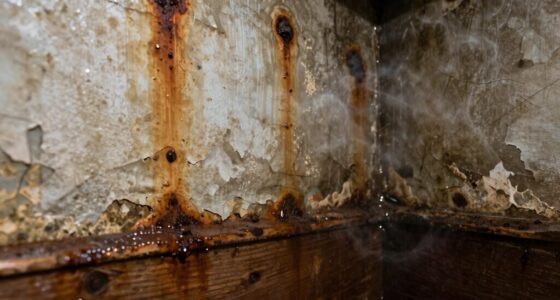
Choosing the right water for your humidifier is vital to maintaining healthy air quality and preventing potential problems. The type of water you use can profoundly impact your device’s performance, the air you breathe, and the longevity of your humidifier. Many people default to tap water because it’s readily available, but this choice isn’t always the best. Tap water often contains minerals, impurities, and chemicals that can lead to buildup inside the humidifier and release deposits into the air. Over time, these mineral deposits can cause mold, bacteria growth, and reduce the device’s efficiency, which may affect your health, especially if you have allergies or respiratory issues.
Filtered water seems like a good middle ground. It’s usually water that has gone through a basic filtration process to remove some impurities and minerals. Using filtered water can reduce mineral buildup and help keep your humidifier cleaner for longer periods. However, not all filters are equal. Some only remove chlorine or odor, while others target a broader range of contaminants. If you choose filtered water, it’s vital to select a filter certified to remove minerals and harmful particles to truly benefit from cleaner, safer mist production. Keep in mind that filtered water still contains some minerals, so it may not be as pure as you need for ideal humidifier performance.
Distilled water is often regarded as the best option because it’s highly purified through boiling and condensation, removing nearly all minerals, bacteria, and impurities. Using distilled water minimizes the risk of buildup inside your humidifier, making cleaning easier and reducing the chance of mold or bacterial growth. It also ensures the mist you breathe is free of contaminants, which is particularly beneficial if you have asthma or allergies. While distilled water is generally more expensive and less convenient to obtain regularly, many users find that it pays off in the long run by maintaining their device’s efficiency and improving air quality.
Frequently Asked Questions
How Often Should I Change the Water in My Humidifier?
You should change the water in your humidifier daily to prevent bacteria and mold buildup. If you notice mineral deposits or the water looks dirty, clean and refill it more often. Always empty the tank completely, wash it with soap and water, then refill with fresh water before each use. Regular maintenance guarantees you’re breathing in clean, healthy moisture and keeps your humidifier functioning properly.
Can Mineral Buildup Damage My Humidifier Over Time?
Imagine mineral buildup as tiny, relentless miners chiseling away at your humidifier’s insides. Over time, these deposits can clog filters, damage components, and reduce efficiency. If you don’t regularly clean and use distilled or filtered water, mineral buildup accelerates, risking costly repairs. So yes, mineral deposits can cause long-term damage, making maintenance and water choice essential to keep your humidifier running smoothly.
Are There Health Risks Associated With Using Tap Water?
Using tap water in your humidifier can pose health risks, as it may contain minerals, bacteria, or other contaminants that get dispersed into the air you breathe. These particles can worsen allergies or respiratory issues, especially if you’re sensitive. To reduce health risks, consider using filtered or distilled water, which minimizes mineral buildup and microbial growth, keeping the air cleaner and safer for you and your family.
Is Distilled Water More Cost-Effective Than Filtered Water?
Imagine pouring pure, crystal-clear water into your humidifier, like liquid silk flowing smoothly. Distilled water is more cost-effective in the long run because it’s purer and leaves fewer mineral deposits, meaning less cleaning and maintenance. While it might cost more upfront than filtered water, its longevity and cleaner mist save you money over time, making it a smarter choice for both your health and wallet.
How Does Water Quality Affect Airborne Bacteria in Humidifiers?
Water quality directly impacts airborne bacteria in your humidifier. If you use tap water, minerals and contaminants can promote bacterial growth and release spores into the air. Filtered or distilled water reduces minerals and impurities, limiting bacteria development. Using better-quality water means fewer germs are released into your environment, helping you breathe cleaner, healthier air. Always opt for filtered or distilled water to minimize bacteria and keep your humidifier cleaner longer.
Conclusion
In the battle of bottled, bold tap, or filtered water, your humidifier’s health hinges on your choice. Filtered water fosters fresher, cleaner clouds, while distilled water delivers pure perfection. Tap water, though tempting, can introduce impurities that could irritate your airways. Make a mindful move—select the safest, most suitable water to safeguard your space, sustain your comfort, and support your serenity. Stay savvy, choose wisely, and breathe better with the right water!
Fall Picks
fall essentials
As an affiliate, we earn on qualifying purchases.