
If you notice a gasoline smell in your house, it’s likely caused by leaks from stored fuel, vehicles, or equipment like lawnmowers and generators. Faulty fuel caps, cracks, or loose fittings often release fumes that can seep indoors. Fumes from recent fuel use or spills can linger, especially if ventilation isn’t adequate. Addressing these issues promptly is essential for your safety. Keep exploring to discover more about how to identify and eliminate these common causes.
Key Takeaways
- Leaking fuel from stored lawn equipment, generators, or small engines can release gasoline vapors indoors.
- Vehicle fuel leaks or loose caps in the garage often cause persistent gasoline odors inside the home.
- Fumes from recent fuel use or contaminated HVAC filters can spread gasoline odors throughout the house.
- Gasoline spills or leaks around fuel containers or during refueling may emit strong fumes indoors.
- Poor ventilation and accumulated fumes from stored fuel or equipment increase indoor gasoline smell.
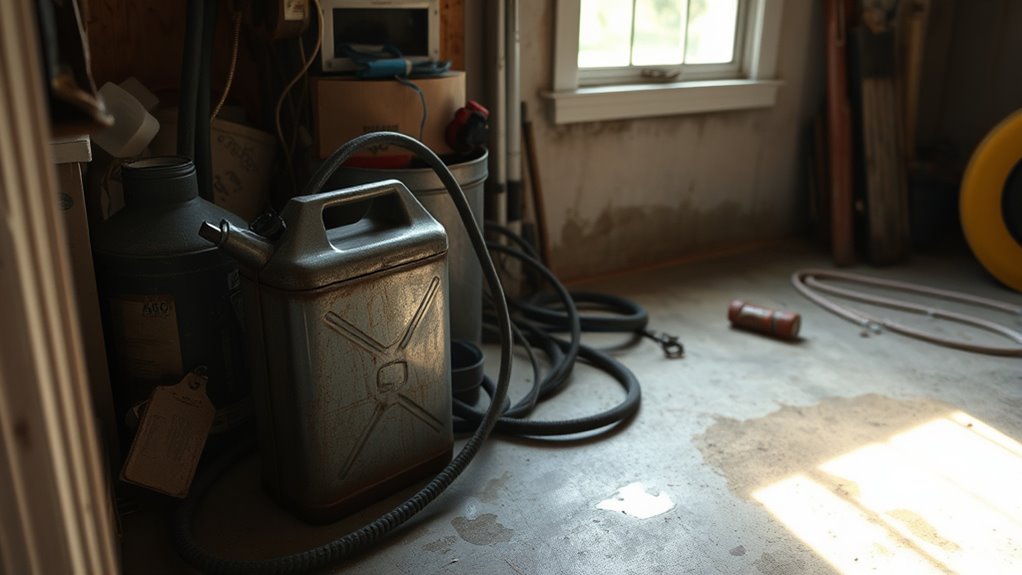
If you notice a strong gasoline smell lingering in your house, it’s important to address it immediately, as inhaling gasoline fumes can be harmful. Gasoline odors often point to underlying issues that need quick attention. The first thing to contemplate is whether you have any fuel-powered equipment or vehicles stored nearby or inside your home. Lawn mowers, generators, or even small engines stored in a garage or basement can leak fumes if not properly maintained. Sometimes, these appliances develop small cracks or loose fittings that release vapors into the air, especially if they’ve been recently used or refilled. If your garage or storage area isn’t well-ventilated, those fumes can quickly seep into your living spaces, creating a persistent smell.
Gas-powered equipment leaks can cause persistent gasoline odors inside your home.
Another common culprit is a fuel leak from your vehicle. If you park your car in a garage, check for signs of leaking fuel or wet spots under the vehicle. Gasoline can drip from a faulty fuel line, a loose cap, or a damaged fuel tank. Even a small leak can produce enough fumes to spread throughout your home, especially if the garage is directly connected to your living area. Sometimes, a loose or malfunctioning fuel cap is enough to cause a strong smell. Always inspect your vehicle thoroughly and make sure the cap seals tightly. If you notice any wet spots or a strong smell around your car, it’s wise to have a mechanic check it out immediately.
In some cases, the gasoline smell isn’t from a leak at all but from residual fumes trapped in your home’s ventilation system. If you’ve recently fueled a generator or stored fuel containers nearby, fumes can linger in the air and get into your HVAC system, spreading throughout your house. This is especially true if your ventilation system isn’t functioning properly or if filters haven’t been changed in a while. It’s a good idea to turn off your HVAC system and open windows to air out your home, then inspect the filters and ducts for any signs of fuel residue or damage. Proper maintenance of your ventilation system can prevent fumes from recirculating and keep the air fresh.
Additionally, regular fuel injection cleaning of your vehicle’s engine can help eliminate leaks and ensure the system is working properly, reducing the risk of fumes escaping into your home. Finally, don’t forget to check for accidental spills or drips inside storage areas, basements, or utility closets. Sometimes, small spills from fuel containers go unnoticed but continue to emit fumes over time. If you find a spill, clean it thoroughly with absorbent materials and dispose of contaminated items properly. Remember, persistent gasoline odors should never be ignored. Addressing the source promptly not only improves your indoor air quality but also reduces any health risks associated with gasoline fumes.

Gas Leak Detector by Forensics | 10ft Drop Test Pass | Natural Gas, Alcohols, Methane, Combustibles, Acetone, Ethanol, Propane, Butane, Gasoline, Diesel, IPA, Toluene, LPG, LNG |
- Sensor Type: Made in Japan, methane calibrated
- Drop Resistance: 10ft shockproof ABS housing
- Display: Large color LCD with temperature
As an affiliate, we earn on qualifying purchases.
As an affiliate, we earn on qualifying purchases.
Frequently Asked Questions
Can a Gas Leak Cause Long-Term Health Issues?
Yes, a gas leak can cause long-term health issues if left unaddressed. You might experience chronic headaches, dizziness, or respiratory problems. Prolonged exposure to gasoline fumes can also affect your nervous system and increase cancer risks. To protect yourself, you should evacuate immediately, ventilate your home, and call a professional to inspect and fix the leak. Don’t ignore the smell—your health depends on quick action.
How Often Should I Inspect My Garage for Gasoline Leaks?
You should inspect your garage for gasoline leaks at least once a month. Regular checks help you catch any signs of leaks early, such as spills, stains, or a strong smell. Make sure to turn off all appliances and sources of ignition before inspecting. Also, check your storage containers and hoses for cracks or damage. Staying vigilant reduces health risks and prevents potential fires.
Are There Specific Household Products That Mimic Gasoline Smell?
Yes, household products like paint thinners, nail polish remover, and certain cleaning agents can mimic gasoline smells. You might notice a similar strong, chemical odor when these products are used or accidentally spilled. To avoid confusion, confirm proper storage and ventilation. If you smell gasoline and can’t identify the source, check for leaks or spills in your garage and around stored containers—don’t ignore the scent, as it could indicate a hazardous situation.
What Immediate Steps Should I Take if I Smell Gasoline Indoors?
Did you know that inhaling gasoline fumes can cause health issues in just minutes? If you smell gasoline indoors, immediately open windows and doors to ventilate the space. Turn off any potential ignition sources, like appliances or lights, and avoid using electronics until the smell dissipates. Evacuate the area if the smell is strong or persistent, and contact your local fire department or a professional to inspect for leaks or spills.
Can HVAC Systems Spread Gasoline Fumes Throughout the House?
Yes, your HVAC system can spread gasoline fumes throughout your house. When there’s a gasoline odor, the fumes can enter your ductwork and circulate, contaminating different rooms. To prevent this, turn off your HVAC system immediately, ventilate the area by opening windows, and avoid running the system until you’ve identified and eliminated the source of the fumes. This helps protect your home’s air quality and your family’s health.

LEAKFINDER LF2001CS Automotive Oil-Based Fluid Leak Detection Dye, Services Auto Oil, Fuel, ATF, Power Steering, 1oz Ultraviolet Fluorescent Dye Bottle, Services 1 Vehicle
- Fast, Accurate Leak Detection: Quickly identifies automotive leaks
- Detects Small Leaks: Highlights micro and hidden leaks
- Universal Compatibility: Works with all leak detection flashlights
As an affiliate, we earn on qualifying purchases.
As an affiliate, we earn on qualifying purchases.
Conclusion
If you notice a gasoline smell in your house, don’t ignore it—think of it as a warning signal flashing like a neon sign, demanding your attention. Ventilate the space, identify the source, and call a professional if needed. Remember, this odor is a thief of peace and safety, sneaking in like a shadow. Addressing it promptly keeps your home safe and your mind at ease, turning a potential hazard into just a distant memory.
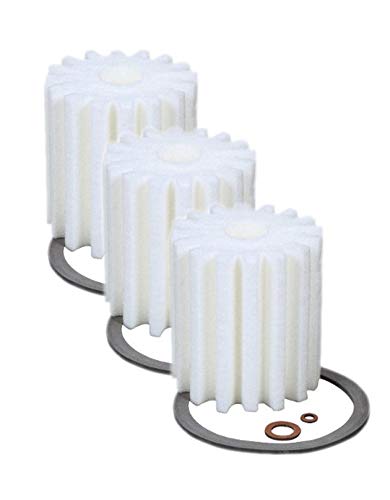
3 (Three) RF-1 Micron Rated Fuel Oil Filters Fit 1A-25A 77B Eddington S-254 Fed A77 Sears 8055 Sid Harvey XF-25/264 Mitco 264 AutoFlo F-300
As an affiliate, we earn on qualifying purchases.
As an affiliate, we earn on qualifying purchases.

Dorman 800-301 Fuel Line Repair Tool Universal Fit
- Universal fit for nylon fuel lines: Compatible with various sizes
- User-friendly design: Easy to operate
- Convenient fuel line repair: Simplifies repair process
As an affiliate, we earn on qualifying purchases.
As an affiliate, we earn on qualifying purchases.