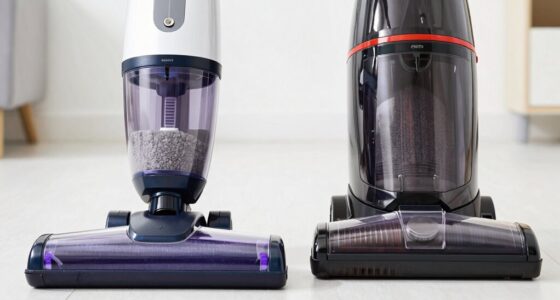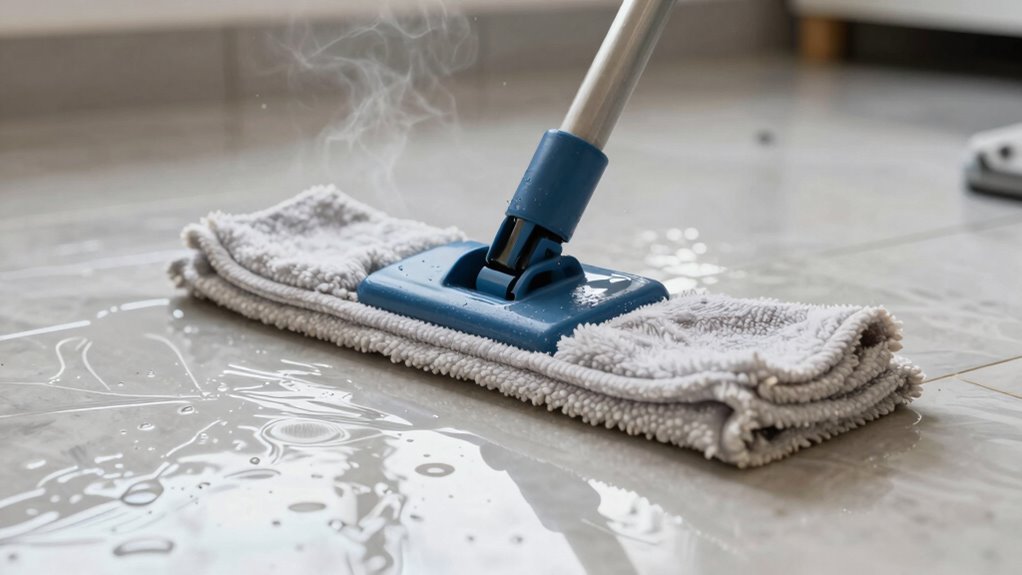

Common mopping mistakes that leave VOCs behind include using too much cleaning product, skipping thorough rinsing, and not following usage instructions. Overapplying chemicals can cause residues to stick to your floors, which then evaporate into your indoor air. Hot water can also increase VOC vaporization, making the problem worse. To keep VOCs at bay, focus on using less product, rinsing well, and ventilating during and after cleaning. Keep going to discover easy ways to improve your cleaning routine.

Get health and wellness essentials delivered free — and shop member deals
- Fast, free delivery on millions of items
- Access to Prime Big Deal Days deals on October 6–7
- Prime Video, Amazon Music and more included
Key Takeaways
- Using excessive cleaning products can leave chemical residues that trap VOCs on floors.
- Not rinsing floors thoroughly after mopping allows VOC residues to remain and emit fumes.
- Applying cleaning solutions at high water temperatures increases VOC vaporization and lingering residues.
- Ignoring manufacturer instructions may result in improper chemical use and increased VOC buildup.
- Failing to ventilate properly during and after cleaning traps VOCs indoors, prolonging exposure.
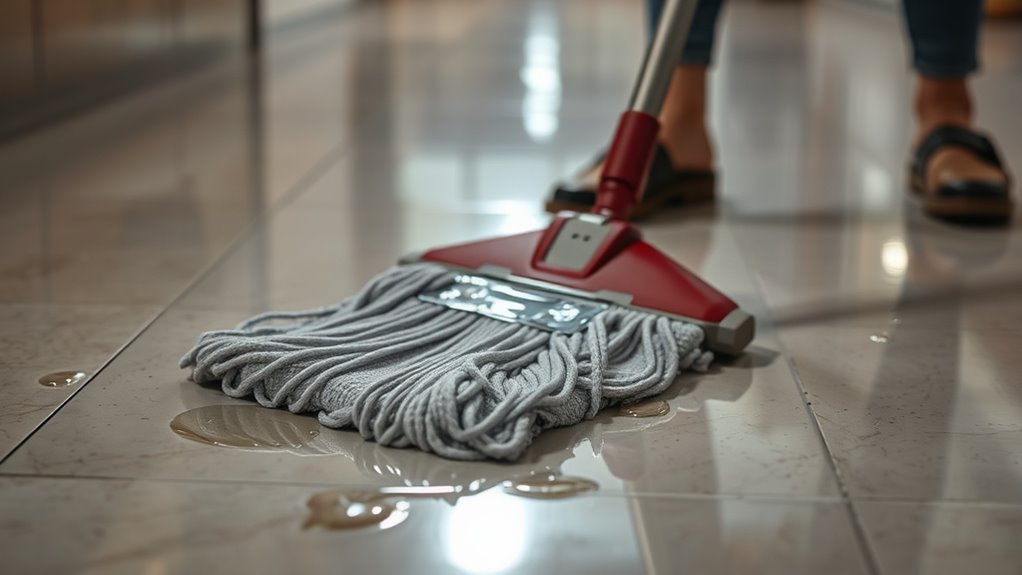
Have you ever wondered why your floors still seem dirty after mopping? It’s frustrating to put in the effort, only to find that the grime, germs, and lingering smells remain. One common mistake many people make is using cleaning products that release volatile organic compounds (VOCs) without realizing it. These chemicals can stay trapped in your home’s air and on your floors, leaving behind not just dirt but also potentially harmful fumes. When you mop with products that contain high levels of VOCs, you might think you’re cleaning thoroughly, but in reality, you’re just spreading chemical residues around and trapping them in your flooring and air.
Many conventional floor cleaners are packed with synthetic fragrances, solvents, and preservatives that emit VOCs. These chemicals evaporate into the air during and after cleaning, contributing to indoor air pollution. If you’re not careful, you could be inhaling these fumes for hours or even days afterward. This is especially problematic if you have young children, pets, or anyone with respiratory issues. Not only do these VOCs pose health risks, but they can also leave behind a film on your floors, making them feel sticky or grimy even after mopping. The residues can attract more dirt and dust, which means your floors might look clean initially but quickly become dull and dirty again.
Another mistake is overusing or misusing cleaning products. Using too much cleaner or not rinsing properly can leave chemical residues behind. When you don’t thoroughly rinse or follow the product instructions, the excess chemicals stay on your floors, releasing VOCs into the air as they break down over time. Additionally, some products are formulated with aggressive chemicals that can damage your flooring over time, making it easier for dirt and VOCs to adhere to the surface. This can create a cycle where you feel compelled to mop more frequently with stronger cleaners, which only exacerbates the problem.
Furthermore, many people forget that the type of water used can influence VOC release. Hot water may help dissolve dirt better, but it can also cause certain chemicals to vaporize more quickly, increasing VOC emissions. If you’re using a cleaning solution that’s not eco-friendly, you might be unintentionally contributing to indoor air pollution. To avoid these issues, opt for natural, low-VOC cleaning products, and consider rinsing your floors thoroughly after mopping. Using less product and ensuring proper ventilation during and after cleaning can considerably reduce VOC residues, leaving your floors truly clean and healthier for everyone in your home. Additionally, paying attention to ventilation considerations can significantly help in reducing indoor VOC levels and improving air quality.
As an affiliate, we earn on qualifying purchases.
Frequently Asked Questions
How Do VOCS Affect Indoor Air Quality Long-Term?
VOCs can substantially harm your indoor air quality over time, causing health issues like headaches, respiratory problems, and allergies. When you expose yourself to these chemicals regularly, they accumulate in your home, leading to long-term health risks. To protect yourself, make sure proper ventilation during cleaning, choose low-VOC products, and frequently air out your space. Staying proactive helps maintain a healthier environment and reduces the risks associated with VOC buildup.
Are Natural Cleaning Products Safer Regarding VOC Emissions?
Natural cleaning products are generally safer regarding VOC emissions because they contain fewer synthetic chemicals. You’ll likely notice less strong fumes and irritation, improving indoor air quality. However, some natural ingredients can still emit VOCs, so it’s wise to read labels carefully. Always ventilate well when cleaning, even with natural products, to guarantee toxins don’t linger and affect your health over time.
What Signs Indicate VOC Buildup After Mopping?
You might notice lingering chemical smells or your eyes watering after mopping, which are clear signs of VOC buildup. If you start coughing or experience headaches, it indicates that VOCs are remaining in the air. Even if the room smells fresh initially, prolonged exposure to these emissions can cause health issues. Always ventilate well and switch to natural cleaning options to prevent stubborn VOC residues from lingering.
Can Mopping Techniques Influence VOC Absorption?
Yes, your mopping techniques can influence VOC absorption. When you use excessive water or aggressive scrubbing, you create more surface area and trap VOCs in your flooring or cleaning tools. Using improper drying methods can also leave moisture that absorbs VOCs. To minimize absorption, you should use a damp mop instead of a soaking one, avoid over-wetting, and guarantee thorough drying afterward. Proper technique helps reduce VOC retention.
How Often Should I Replace Cleaning Tools to Reduce VOCS?
You should replace your cleaning tools every few months, or sooner if they look worn out. Ironically, holding onto old mops and sponges might seem frugal, but it actually increases VOC buildup, making your home less healthy. Regularly swapping them out guarantees you’re not just spreading dirt but also reducing VOCs. Think of it as a small investment that keeps your space fresher, safer, and more inviting.
As an affiliate, we earn on qualifying purchases.
Conclusion
By avoiding these mopping mistakes, you prevent VOCs from lurking in your home like silent villains waiting to strike. Remember, a simple oversight can turn your spotless floor into a toxic trap, risking your health and peace of mind. Stay vigilant, use proper techniques, and your home will be a fortress of cleanliness and safety. Don’t let small errors turn your efforts into a battleground — because when it comes to VOCs, even tiny gaps can lead to colossal consequences.
As an affiliate, we earn on qualifying purchases.
As an affiliate, we earn on qualifying purchases.
Fall Picks
fall essentials
As an affiliate, we earn on qualifying purchases.