
Your house has “dead air” corners due to obstacles like furniture and walls blocking airflow. These stagnant areas can lead to uncomfortable conditions, affecting your indoor air quality and creating issues like dust buildup and humidity. Plus, they can make your spaces feel dull and uninviting. By understanding the causes, you can easily implement creative solutions that enhance airflow and comfort in your home. Discover more ways to tackle this common issue.
Key Takeaways
- Dead air corners are areas with minimal airflow, often caused by furniture placement or structural design hindering circulation.
- These zones can reduce indoor air quality, trapping allergens and moisture, leading to potential mold growth.
- Stagnant air increases energy costs as HVAC systems work harder to maintain temperature balance throughout the home.
- Aesthetically, dead air corners can make spaces feel uninviting and neglected, impacting overall room comfort and appeal.
- Proper furniture arrangement, regular HVAC maintenance, and creative decor choices can help alleviate dead air corners and improve airflow.
Understanding Dead Air Corners: What They Are and Why They Occur
Although you may not notice them at first, “dead air” corners in your home can markedly affect your living space. These are areas where air circulation is minimal, leading to stagnant air. You’ll often find them in corners, where furniture or walls block airflow, restricting corner ventilation. This lack of movement can create uncomfortable conditions, making rooms feel stuffy or cold. To combat this, consider implementing simple upgrades like strategically placed fans or air purifiers to enhance airflow. Additionally, it’s important to remember that compassionate caregiving can also involve creating a comfortable environment for seniors, who may be more sensitive to air quality. Over time, you might notice that these corners can harbor dust and allergens, further impacting your indoor air quality. Identifying and addressing dead air corners is essential for maintaining a comfortable environment. By improving air circulation, you can enhance the overall feel of your home and create a healthier living space for you and your family. Regularly checking and cleaning filters for air purifiers can also help improve air quality in these areas. Moreover, utilizing air purifiers can effectively eliminate airborne contaminants that might accumulate in these stagnant zones. Additionally, maintaining good color accuracy within your home can create a visually appealing environment that complements improved air quality.
The Impact of Dead Air on Home Airflow
When dead air corners exist in your home, they can markedly disrupt the overall airflow, leading to a cascade of comfort issues. This stagnation affects air exchange and diminishes ventilation efficiency, making your living spaces less enjoyable. Here’s how dead air impacts your home:
- Increased Humidity: Stagnant air traps moisture, leading to dampness and potential mold. Implementing smart home technology can help monitor humidity levels and improve air circulation, ensuring that your home maintains healthy indoor air quality. Additionally, utilizing connected cooking appliances can help promote better airflow by integrating ventilation systems efficiently into your home.
- Temperature Imbalance: Areas may feel colder or hotter, creating discomfort throughout your home.
- Odor Accumulation: Stale air can result in musty smells that linger in your space.
- Energy Inefficiency: HVAC systems work harder to compensate for poor airflow, raising energy bills. Additionally, understanding charging speeds can help you optimize your home’s energy use and improve overall comfort.
Addressing dead air corners can enhance your home’s comfort and efficiency, ensuring a healthier living environment.
Aesthetic Challenges Posed by Dead Air Corners
Dead air corners not only disrupt airflow but also create significant aesthetic challenges in your home. These neglected spaces can appear dull and uninviting, often making your overall decor feel incomplete. To combat this, consider using decorative accents that draw attention to these corners. A well-placed plant or a piece of art can breathe life into the area, making it feel more integrated with your design. Additionally, lighting enhancements like wall sconces or corner lamps can brighten these spots, turning them into focal points rather than overlooked shadows. By addressing dead air corners with thoughtful decor and lighting, you’ll enhance your home’s aesthetic appeal while improving the overall ambiance. Furthermore, ensuring a reliable whole-home backup power source can help maintain your lighting enhancements during outages, making these corners even more inviting. Incorporating evidence-informed guidance into your decorating choices can elevate the impact of your design decisions. Utilizing smart kitchen tools can also improve the functionality of your home, ensuring you can create a welcoming atmosphere in all areas, including those tricky corners. Moreover, understanding the importance of high-impact recommendations can lead to more effective solutions for revitalizing your home’s decor. To enhance your design approach, consider incorporating at-home beauty technology that can create a more inviting atmosphere throughout your space. Don’t let these corners go unnoticed; embrace the opportunity for creativity.
Common Causes of Stagnant Air in Your Home
Stagnant air in your home often stems from poor airflow design, which can trap air in corners. Additionally, the way you arrange your furniture might block vents or restrict circulation. Finally, limitations in your HVAC system can prevent proper air distribution, leading to those frustrating dead air spots. Regularly maintaining your clean-home systems can significantly improve airflow and reduce dead air corners. Implementing seasonal checklists for maintenance can also help ensure that your home remains comfortable and efficient. Utilizing robotic cleaning solutions can assist in keeping your home environment fresh by reducing dust buildup that contributes to stagnant air. Moreover, addressing air quality issues with whole-house filtration systems can further enhance the overall airflow and comfort in your living spaces. To create a more inviting atmosphere, consider incorporating practical organizing solutions that promote better space utilization and encourage air movement.
Poor Airflow Design
If your home feels stuffy or uncomfortable, it might be due to poor airflow design that creates pockets of stagnant air. Here are some common causes you should consider:
- Airflow Blockages: Furniture or decor can obstruct vents, preventing air from circulating properly. Additionally, ensuring proper energy-efficient solutions can help mitigate airflow issues.
- Ventilation Gaps: Insufficient openings in walls or ceilings can limit airflow, leading to dead zones.
- Ductwork Issues: Leaks or poorly designed duct systems can disrupt the intended airflow throughout your home.
- Size Mismatch: An HVAC system that’s too large or small for your space can result in uneven temperature distribution.
Addressing these issues can help improve your indoor air quality and comfort markedly. Additionally, ensuring proper ventilation gaps can enhance overall airflow efficiency in your home.
Furniture Placement Issues
While it may seem harmless, the way you arrange your furniture can considerably impact airflow in your home. Oversized pieces or bulky furniture can block vents, creating stagnant air pockets, especially in corners. You might not realize that decorative accents, like large plants or sculptures, can also obstruct airflow. Consider how your lighting placement affects air movement; fixtures hanging too low can disrupt the natural flow. To improve circulation, prioritize open pathways and avoid crowding rooms with excessive furniture. Additionally, choosing stylish dog beds can help maintain a more open space, as they often complement room decor without overwhelming it. Rearranging your space to enhance airflow not only reduces dead air corners but also creates a more inviting atmosphere. Additionally, understanding the importance of auditory processing can help in creating a more balanced environment, as excessive noise can also contribute to feelings of discomfort. By making these adjustments, you’ll enjoy a fresh, comfortable environment in every room of your home.
HVAC System Limitations
Even with ideal furniture placement, your HVAC system might still struggle to maintain a consistent airflow throughout your home. Here are some common limitations that can lead to stagnant air:
- Ductwork Issues: Cracks or blockages can disrupt air exchange, preventing efficient airflow.
- Inadequate Sizing: An undersized system may not handle your space’s heating and cooling needs effectively.
- Poor Maintenance: Dirty filters and coils can hinder airflow and humidity control, exacerbating stagnation.
- Location of Vents: If vents are poorly placed, they can leave certain areas with insufficient airflow.
Addressing these limitations can enhance air exchange and improve your home’s overall comfort. Regular maintenance and adjustments are key to preventing dead air corners.
Creative Solutions to Revitalize Dead Air Corners
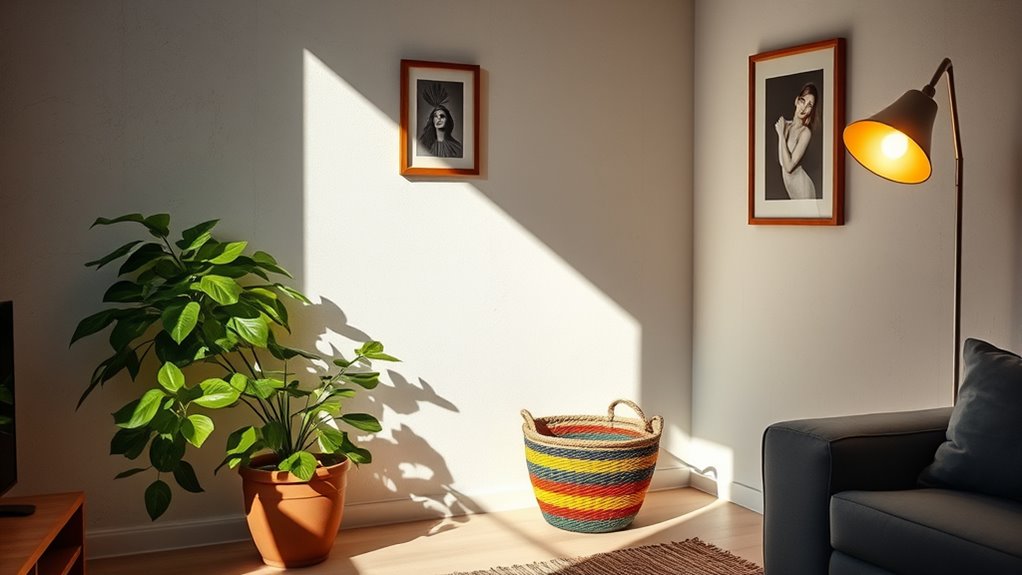
To breathe new life into those neglected dead air corners, you don’t need a complete overhaul; simple, creative solutions can make a big difference. Start by arranging furniture to improve air circulation. Placing tall plants or decorative screens can also help redirect airflow patterns, making the space feel cozier. Consider adding an attractive floor lamp or a small bookshelf to fill the void while enhancing the room’s aesthetic. Wall-mounted shelves are another option; they draw the eye upward and utilize vertical space effectively. You might even hang artwork or mirrors to create visual interest and encourage airflow. With a few thoughtful touches, you can transform those corners from stagnant to stylish, boosting both comfort and design in your home.
Enhancing Airflow and Comfort in Your Living Space
Improving airflow in your living space not only enhances comfort but also creates a healthier environment. Effective air circulation and room ventilation can make a significant difference. Here are four simple ways to boost airflow:
- Open windows: Let fresh air in and create cross-ventilation.
- Use ceiling fans: They help circulate air and maintain a pleasant temperature.
- Strategically place furniture: Avoid blocking vents or pathways to allow air to move freely.
- Install air purifiers: These devices improve air quality while promoting better circulation.
The Importance of Regular Home Maintenance for Air Quality
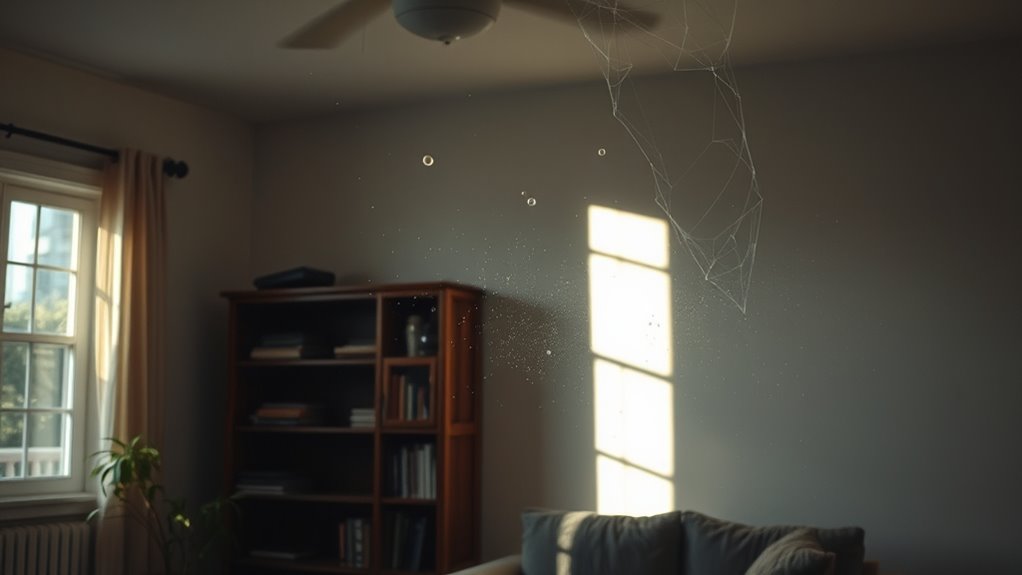
Maintaining your home goes hand in hand with ensuring quality air in your environment. Regular upkeep helps prevent dust, mold, and allergens from accumulating, which can negatively impact your health. Consider incorporating indoor plants, as they naturally filter air and enhance overall ambiance. They not only beautify your space but also contribute to cleaner air.
Additionally, investing in air purifiers can substantially improve indoor air quality by capturing airborne pollutants. Regularly changing filters in your HVAC system and cleaning vents also plays a vital role in maintaining airflow. By staying proactive with home maintenance, you’re creating a healthier living space, minimizing “dead air” corners, and promoting a more enjoyable atmosphere for you and your family.
Frequently Asked Questions
Can Dead Air Corners Contribute to Mold Growth in My Home?
Yes, dead air corners can contribute to mold growth in your home. When air circulation is poor, moisture can accumulate, creating a perfect environment for mold spores to thrive. To improve air quality and prevent mold, you should guarantee proper ventilation and use dehumidifiers in affected areas. Regularly check corners for signs of moisture and address any leaks immediately. Taking these steps helps maintain a healthier living space and prevents mold issues.
How Can I Identify Dead Air Corners in My House?
You know the saying, “Out of sight, out of mind”? That’s how dead air corners can sneak up on you. To identify them, look for areas in your home with poor air flow, often in corners or behind furniture. Check for ventilation gaps where air seems stagnant. If you notice dust buildup or humidity, you’ve likely found a dead air corner. Address these spots to improve air circulation and maintain a healthier environment.
Are There Specific Rooms More Prone to Dead Air Corners?
Yes, certain rooms are more prone to dead air corners, especially those with complex room layouts. Living rooms and bedrooms often have furniture placement that blocks airflow, creating stagnant areas. If you notice corners where air doesn’t circulate well, consider rearranging your furniture. Moving items away from walls or into more centralized positions can help promote better air movement and eliminate those dead air corners, making your space feel more comfortable and inviting.
Do Dead Air Corners Affect Energy Efficiency in My Home?
Dead air corners can suck the energy efficiency right out of your home like a sponge soaking up water. These areas often create ventilation gaps and insulation gaps, allowing conditioned air to escape while letting unwanted drafts in. When air circulates poorly, your heating and cooling systems have to work harder, leading to higher energy bills. Addressing these dead air corners can enhance comfort and save you money over time.
What Plants Help Improve Air Circulation in Dead Air Corners?
To improve air circulation in dead air corners, you can use plants like snake plants, peace lilies, or pothos. These plants not only enhance indoor air quality but also thrive in low-light conditions. When you strategically place them in those corners, they help create a more balanced environment. Consider adding a small shelf or stand to elevate the plants, maximizing their impact on airflow and aesthetics in your space.
Conclusion
In your home, dead air corners are like forgotten shadows, silently stifling the flow of life within your space. By addressing these stagnant areas, you breathe new energy into your environment, transforming those neglected corners into vibrant nooks of comfort. Just as a gentle breeze can shift the leaves of a tree, revitalizing your airflow enhances your home’s atmosphere. Embrace regular maintenance, and watch your living space flourish, turning shadows into light and stagnation into harmony.