Clean indoor air means keeping pollutants, allergens, and harmful particles at safe levels so your breathing isn’t compromised. It’s not about making the air completely free of every tiny particle, but controlling sources of pollution like dust, mold, and chemicals through good ventilation, filtration, and proper cleaning. Achieving this involves active management rather than sterile conditions. If you want to understand how to genuinely improve your indoor air quality, you’re about to discover more.
Key Takeaways
- Clean indoor air means maintaining pollutant levels at safe, healthful standards rather than eliminating all particles.
- It involves controlling sources of pollution, ensuring proper ventilation, and using effective filtration systems.
- Achieving clean air does not require sterility; it focuses on reducing harmful pollutants to safe levels.
- Regularly managing mold, dust, VOCs, and chemical emissions is essential for healthy indoor air.
- True clean indoor air balances pollutant reduction with practical measures to support respiratory health.
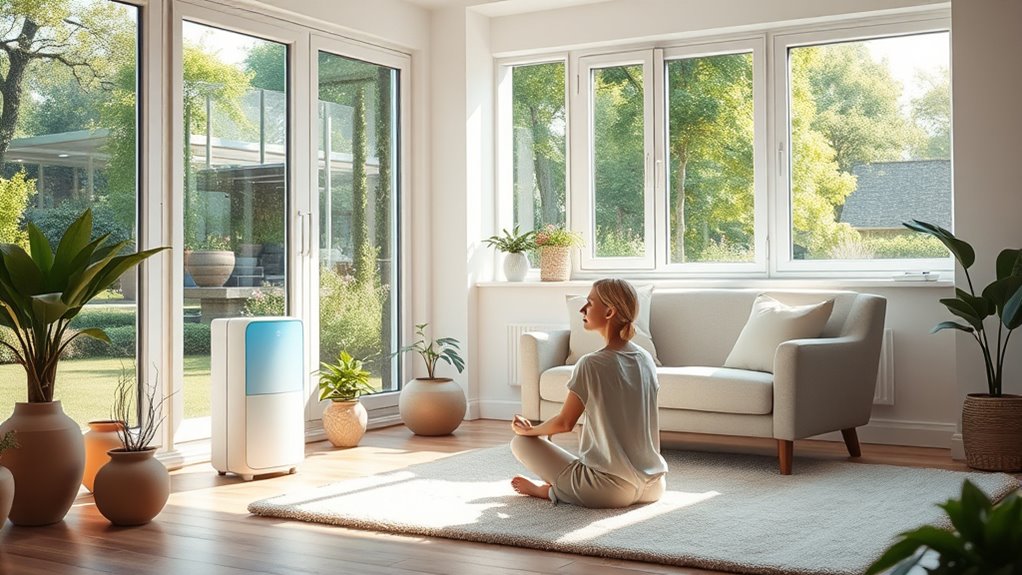
Clean indoor air refers to the air inside your home or workplace that is free from pollutants, allergens, and harmful particles. It’s what you breathe in every day, and it profoundly impacts your health, comfort, and overall well-being. When the air is clean, your respiratory system isn’t constantly battling irritants, and you’re less likely to experience allergies, asthma attacks, or other health issues. But understanding what “clean” truly means can be tricky because it’s often used as a marketing term rather than a precise standard.
In reality, clean indoor air isn’t necessarily completely free of every tiny particle. Instead, it’s about reducing the concentration of pollutants to safe levels, as defined by health authorities like the Environmental Protection Agency (EPA). These pollutants include dust, pet dander, mold spores, pollen, volatile organic compounds (VOCs), cigarette smoke, and other chemicals. If your air contains high levels of these, it can cause immediate discomfort or long-term health problems. That’s why maintaining good indoor air quality isn’t just about venting or opening windows; it’s about actively managing and minimizing these pollutants.
You might think that simply cleaning regularly or using air fresheners makes your air clean, but that’s not always true. Some cleaning products and air fresheners release chemicals that can worsen indoor air quality. Instead, focus on using natural cleaning solutions, ensuring proper ventilation, and controlling sources of pollution. For example, fixing leaks to prevent mold growth, removing carpets that trap dust and allergens, and choosing low-VOC paints and furniture can make a noticeable difference. Additionally, using air purifiers equipped with HEPA filters can trap tiny particles that your eyes can’t see, considerably reducing allergens and pollutants in the air.
It’s important to realize that “clean” doesn’t mean sterile or completely pollutant-free; it means safe enough for you and your family to breathe comfortably and healthily. Achieving this involves a combination of proper ventilation, source control, and sometimes, filtration systems. Regularly checking for signs of mold, ensuring proper humidity levels, and avoiding smoking indoors are vital steps. You should also be aware of local air quality reports, especially if you live in urban areas or near industrial zones, because outdoor pollution can infiltrate indoor spaces. Understanding air filtration and how it works can help you choose the right systems to improve your air quality.
Ultimately, understanding what “clean indoor air” really means helps you make better decisions about your environment. It’s about creating a space where pollutants are minimized and your health is protected, not about chasing an impossible standard of absolute purity. By being mindful of your indoor environment, you can breathe easier and enjoy the comfort and health benefits that come with truly clean indoor air.

LEVOIT Air Purifier for Home Allergies and Pets Hair Smokers in Bedroom, H13 True HEPA Filter, 24db Filtration System Cleaner Odor Eliminators, Remove 99.97% Dust Smoke Mold Pollen, Core 300, White
- AHAM Verified for Performance: Independently tested for air quality and efficiency
- Powerful Filtration System: 56W motor with 143 CFM CADR
- Effective for Large Rooms: Cleans 222 sq ft 4.8 times/hour
As an affiliate, we earn on qualifying purchases.
As an affiliate, we earn on qualifying purchases.
Frequently Asked Questions
How Is Indoor Air Quality Measured Accurately?
You can measure indoor air quality accurately with specialized devices like air quality monitors that track pollutants such as particulate matter, volatile organic compounds (VOCs), carbon dioxide, and humidity levels. These monitors provide real-time data, helping you identify issues quickly. Regular testing and calibration guarantee accuracy, and comparing readings against health standards allows you to assess indoor air quality effectively. This proactive approach keeps your indoor environment safe and healthy.
Do Air Purifiers Remove All Indoor Pollutants?
Air purifiers don’t remove all indoor pollutants, but they can considerably improve air quality. They effectively filter out common allergens, dust, pet dander, and some airborne bacteria or viruses. However, they might not eliminate gases, odors, or chemicals from cleaning products. To achieve the best indoor air quality, combine your purifier with good ventilation, regular cleaning, and reducing pollutant sources. This combo helps create a healthier indoor environment for you.
What Are Common Indoor Air Contaminants?
You should know that indoor air can contain over 2 to 5 times more pollutants than outdoor air. Common contaminants include dust, pet dander, mold spores, tobacco smoke, and volatile organic compounds (VOCs) from cleaning supplies or paints. These pollutants can trigger allergies, asthma, or other health issues. To improve your air quality, consider using air purifiers and increasing ventilation to reduce these harmful particles inside your home.
How Often Should I Test My Indoor Air Quality?
You should test your indoor air quality at least once a year to catch potential issues early. If someone in your home has allergies, asthma, or if you’ve recently renovated, consider testing more frequently—every three to six months. Keep an eye on symptoms like coughing or headaches, which might indicate poor air quality. Regular testing helps you verify your home’s air remains clean and safe for everyone.
Are There Health Risks From “Clean” Indoor Air?
There can still be health risks from “clean” indoor air if it’s not properly maintained or monitored. Even with air purifiers, mold, bacteria, or volatile chemicals might linger, especially in hidden areas. Poor ventilation can also cause indoor pollutants to accumulate. To stay safe, you should regularly test your air quality, keep your space well-ventilated, and address any sources of indoor pollution promptly.
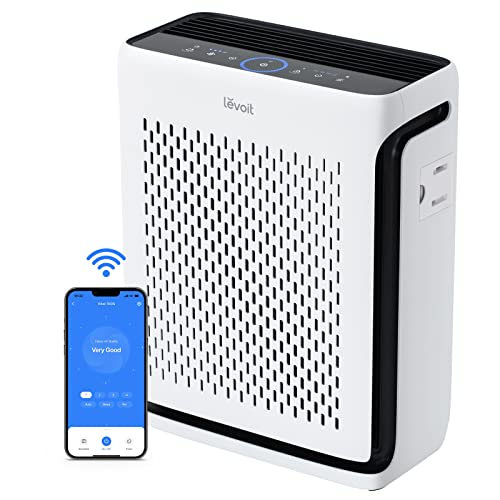
LEVOIT Air Purifier for Home Pets Bedroom Up to 1073Ft² Washable Pre-Filter
- Certified for Performance: AHAM Verifide for reliable air quality
- Effective Room Coverage: Cleans 1,073 sq ft once per hour
- Pet-Friendly Mode: Traps pet fur and large particles
As an affiliate, we earn on qualifying purchases.
As an affiliate, we earn on qualifying purchases.
Conclusion
So, when you hear “clean indoor air,” think of it as creating a gentle, welcoming environment where your breathing feels lighter and more effortless. It’s about reducing those sneaky pollutants and giving your space a little extra care. You don’t need perfection—just a bit of mindful effort to keep the air fresh and comfortable. In the end, it’s about nurturing a healthier, more peaceful space where you can truly breathe easy and feel at home.
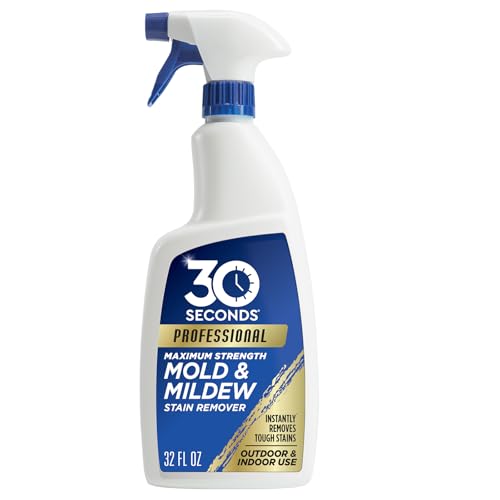
30 SECONDS Pro Mold & Mildew Stain Remover, Scrub-Free Formula, 32 Oz
- Versatile Application Areas: Suitable for bathrooms, decks, walls, and more
- No Scrubbing Needed: Removes stains without scrubbing effort
- Double Strength Formula: Twice as strong as outdoor cleaner
As an affiliate, we earn on qualifying purchases.
As an affiliate, we earn on qualifying purchases.

Amazon Smart Air Quality Monitor – Know your air, Works with Alexa
- Air Quality Monitoring: Tracks PM 2.5, VOCs, CO, humidity, and temperature
- Real-Time Alerts: Color-coded LED indicates current air quality
- Smart App Integration: Provides detailed air quality data via Alexa app
As an affiliate, we earn on qualifying purchases.
As an affiliate, we earn on qualifying purchases.