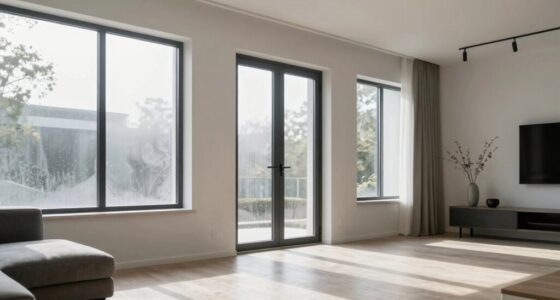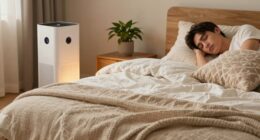
Increasing fresh air intake alone isn’t enough because it can bring outdoor pollutants inside if not properly filtered. Without effective filtration, these pollutants, like pollen, dust, and vehicle emissions, circulate in your indoor space, potentially worsening air quality. Relying only on ventilation ignores the importance of removing indoor contaminants as well. To create healthier indoor air, you need a balance of good filtration and ventilation—there’s more to it than just opening windows.
Key Takeaways
- Increasing fresh air without proper filtration can introduce outdoor pollutants indoors.
- Relying solely on ventilation may circulate existing indoor contaminants.
- Poor outdoor air quality can worsen indoor conditions with increased ventilation.
- Effective indoor air quality requires both proper ventilation and high-quality filtration.
- Proper system maintenance and monitoring are essential for balanced, healthy indoor air.

Have you ever believed that simply opening a window or increasing ventilation is enough to improve indoor air quality? It might seem logical—fresh air rushing in should clear out indoor pollutants, right? But in reality, relying solely on ventilation systems or natural airflow doesn’t always solve the problem. While increasing ventilation helps dilute indoor contaminants, it’s not a foolproof solution. Sometimes, it can even introduce new pollutants from outside, especially if the outdoor air quality is poor. That’s where air filtration becomes crucial. High-quality air filtration systems can trap airborne particles, allergens, and pollutants that ventilation alone might miss. These systems work in tandem with ventilation to ensure the air circulating indoors stays clean and safe to breathe.
Relying solely on ventilation isn’t enough; combine it with effective air filtration for truly cleaner indoor air.
Ventilation systems are designed to move air in and out of your space, but they don’t necessarily filter what’s coming inside. Without proper filtration, pollutants like dust, pollen, pet dander, or even bacteria and viruses can pass through and spread throughout your home or office. This means that simply opening windows may not be enough if outdoor air is contaminated. Conversely, if you rely solely on mechanical ventilation without good filtration, you risk circulating pollutants that could worsen indoor air quality. That’s why integrating air filtration into your ventilation strategy is essential. A well-designed system filters incoming air, removing harmful particles before they reach your breathing zone.
It’s tempting to think that more fresh air automatically equals healthier indoor environments, but it’s not that simple. Ventilation systems must be paired with effective air filtration to truly improve air quality. For example, HEPA filters are capable of trapping tiny particles that standard filters miss, making a big difference in spaces with allergies or respiratory issues. Also, consider the placement and maintenance of these systems. Regularly changing filters and ensuring the ventilation system is properly balanced can prevent the buildup of pollutants and mold, which can thrive in stagnant or poorly maintained systems. Additionally, understanding the importance of indoor air quality and how it’s affected by both outdoor and indoor factors can help you make smarter choices for your space. Moreover, implementing air quality monitoring can provide valuable insights into the effectiveness of your current ventilation and filtration setup. To maximize their effectiveness, it’s also beneficial to educate yourself about pollutant sources, which can help in managing and reducing indoor contaminants more effectively.
In the end, your goal should be a balanced approach: increase ventilation to bring in outside air, but ensure that air is properly filtered before it circulates indoors. This combination provides cleaner, healthier air and protects you from the misconception that opening a window is enough. Remember, indoor air quality isn’t just about fresh air—it’s about smart, effective air management. When you combine good ventilation systems with high-quality air filtration, you’re taking a meaningful step toward a healthier indoor environment.

LEVOIT Air Purifier for Home Allergens Pet Hair in Bedroom, Covers Up to 1073 ft² by 56W High Torque Motor, AHAM VERIFIDE, 3-in-1 Filter with HEPA Sleep Mode, Remove Dust Smoke Odor, Core300-P, White
WHY CHOOSE AHAM VERIFIDE AIR PURIFIERS: AHAM (Association of Home Appliance Manufacturers) is an ANSI-accredited organization that sets…
As an affiliate, we earn on qualifying purchases.
As an affiliate, we earn on qualifying purchases.
Frequently Asked Questions
Can Increasing Fresh Air Reduce Indoor Air Pollution Effectively?
Increasing fresh air can help improve air quality, but it’s not always enough to reduce indoor air pollution effectively. You need to take into account filtration systems that target pollutants like dust, allergens, and volatile organic compounds. Ventilating alone might introduce outdoor pollutants if the air quality outside is poor. Combining increased fresh air with proper filtration creates a healthier indoor environment, ensuring pollutants are minimized and air quality is truly improved.
How Does Ventilation Impact Energy Consumption in Buildings?
Ventilation acts like the heartbeat of a building, influencing energy consumption through air exchange. When you increase ventilation for fresh air, it often ramps up energy use, as systems work harder to condition and circulate air. To strike a balance, you must optimize for air exchange without sacrificing energy efficiency. Smart ventilation strategies, such as heat recovery systems, help you maintain indoor air quality while keeping energy costs in check.
Are There Health Risks Associated With Excessive Outside Air Intake?
Yes, excessive outside air intake can pose health risks by introducing pollutants, allergens, and humidity that may compromise air quality. You might experience irritations or respiratory issues if the outside air isn’t properly filtered or if air quality outside is poor. To protect your respiratory health, guarantee ventilation systems are well-maintained and balanced, providing fresh air without overwhelming your indoor environment with potential contaminants.
What Are Cost-Effective Ways to Improve Indoor Air Quality?
You can improve indoor air quality cost-effectively by using air filtration systems and air purifiers. These devices help remove pollutants, allergens, and airborne germs, making the air cleaner and healthier. Regularly changing filters and choosing units with HEPA filters increase efficiency without breaking the bank. Additionally, keeping your space well-ventilated with controlled outside air intake can complement these solutions, ensuring a healthier indoor environment without excessive costs.
How Does Climate Influence the Efficiency of Fresh Air Ventilation?
Climate effects profoundly influence the efficiency of fresh air ventilation and your indoor air quality. In hot or humid weather, ventilation systems may struggle to remove pollutants effectively and could increase energy costs. Conversely, in cold climates, bringing in outside air can lead to heat loss and discomfort. You should consider climate-specific strategies, like heat recovery ventilators or dehumidifiers, to optimize air quality without compromising comfort or efficiency.
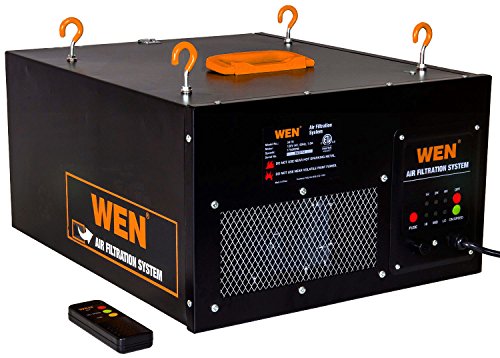
WEN 3410 3-Speed Remote-Controlled Air Filtration System (300/350/400 CFM), Basic w/ RF Remote (400 CFM) , Black
Includes a 1-micron filter and a 5-micron pre-filter, both of which can be easily replaced
As an affiliate, we earn on qualifying purchases.
As an affiliate, we earn on qualifying purchases.
Conclusion
Just like Pandora’s box, opening windows for fresh air can sometimes release unforeseen issues. While fresh air is essential, it’s not a cure-all. You need to contemplate the balance—ventilation, filtration, and other factors—to truly create a healthy space. Remember, sometimes the greatest wisdom lies in knowing when to open the door and when to keep it closed. Aim for harmony, and you’ll find the true key to wellness isn’t just more air, but smarter air.
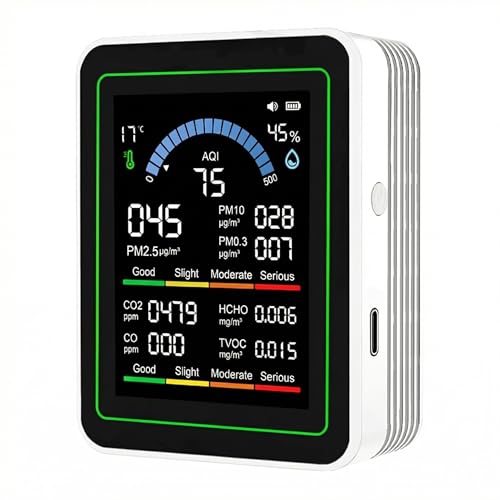
Air Quality Monitor Indoor, 10 in 1 Portable Smartair Quality Tester for CO2 | CO | TVOC | HCHO | Temp | AQI | PM0.3-1 Detection Hum for Home Cars Plants, Pets, Car, Hotel
【10-in-1 Smart Air Quality Monitor: Your All-Round Environmental Guardian】 This portable intelligent air quality tester delivers ultra-precise multi-gas…
As an affiliate, we earn on qualifying purchases.
As an affiliate, we earn on qualifying purchases.

Demiwise MERV 8 Air Vent Filters Kit 20×100 Inch|Cut to Fit (60+ Filters) Filter Material,High-Grade Electrostatic Filter Media with 48 Hooks for Home Floor, Ceiling, HVAC Furnace Vents & Grilles
Complete MERV 8 Air Vent Filters Kit:This 20×100 inch 0.2inch ultra-thin & breathable electrostatic filter is premium furnace…
As an affiliate, we earn on qualifying purchases.
As an affiliate, we earn on qualifying purchases.