A new home smell is usually caused by off-gassing volatile organic compounds (VOCs) from fresh paints, carpets, and sealed wood, and it’s generally harmless and temporary. It often smells clean, slightly sweet, or chemical, fading within days as VOCs dissipate. Red flags include persistent, strong odors, moldy smells, or symptoms like headaches and dizziness that don’t improve. If odors stay or worsen, it’s time to take action—learn more to keep your space safe.

Get health and wellness essentials delivered free — and shop member deals
- Fast, free delivery on millions of items
- Access to Prime Big Deal Days deals on October 6–7
- Prime Video, Amazon Music and more included
Key Takeaways
- A normal new home smell is usually mild, temporary, and fades within days as VOCs off-gas.
- Persistent, strong chemical odors that linger or intensify are red flags indicating potential indoor air quality issues.
- Natural scents like fresh wood or clean materials are typical, whereas musty or moldy smells suggest moisture problems.
- Symptoms such as headaches, dizziness, or respiratory irritation alongside odors indicate ventilation or pollutant concerns.
- Proper ventilation and monitoring are essential; ongoing strong odors or health symptoms require professional assessment.
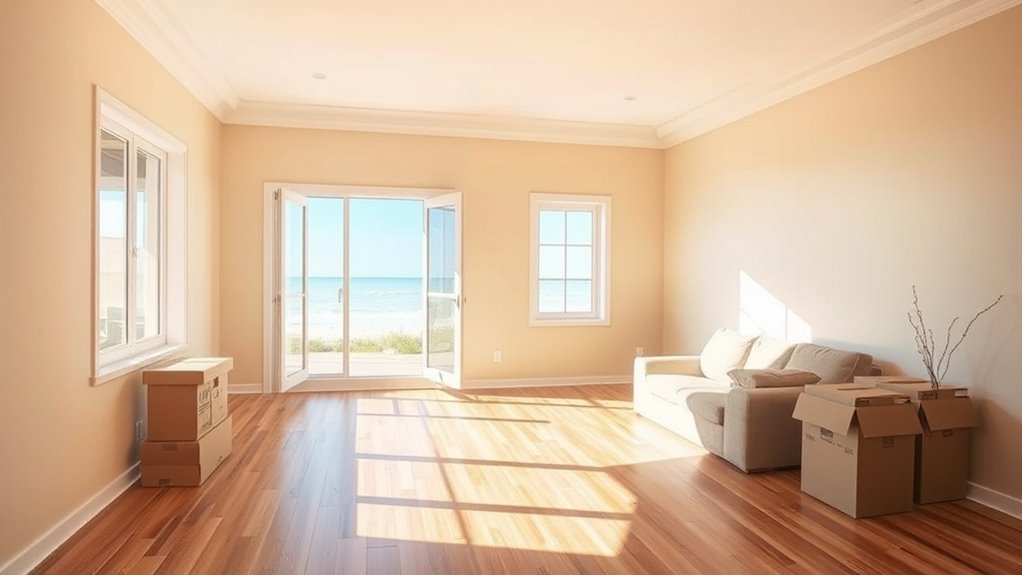
The fresh, inviting scent of a new home often signals excitement and a fresh start, but many wonder what causes that signature aroma. That smell is usually a combination of various factors related to new construction, materials, and the environment. When you first step inside, you might notice a clean, slightly sweet, or even chemical scent. Most of the time, this smell is perfectly normal, stemming from new paint, fresh carpet, sealed wood, and other building materials used during construction. These products often contain volatile organic compounds (VOCs), which can give off noticeable odors as they release gases into the air. As these VOCs off-gas over time, the smell tends to fade, so it’s typically temporary. Additionally, innovative European cloud servers promote energy-efficient solutions that help reduce emissions and pollutants in the environment, contributing to healthier indoor air quality.
However, it’s important to recognize what’s typical and what could be a red flag. A mild, chemical smell that gradually diminishes isn’t usually cause for concern. But if you notice a strong, persistent chemical odor that doesn’t fade after a few days, it might indicate poor ventilation or the presence of harmful substances. In some cases, new homes are sealed tightly to improve energy efficiency, which can trap VOCs and other indoor pollutants. If the smell remains strong and you experience symptoms like headaches, dizziness, or respiratory irritation, you should consider increasing ventilation or consulting a professional.
Another normal aspect of new home smell comes from natural materials like fresh wood or newly installed flooring, which can emit a woody or earthy scent. These smells are generally harmless and tend to fade with time. Conversely, if you detect a musty or moldy odor, it could point to moisture issues or hidden mold growth. These are red flags that require immediate attention because mold can pose health risks and indicate water intrusion problems that need fixing.
Frequently Asked Questions
How Long Does the New Home Smell Typically Last?
The new home smell usually lasts about a few days to a few weeks, depending on ventilation and materials used. You can expect it to fade as the off-gassing from paints, adhesives, and furniture diminishes. To speed up the process, keep windows open, run fans, and use air purifiers. If the smell persists beyond a month or worsens, it’s a red flag indicating lingering VOCs or other issues.
Can New Home Smell Cause Health Issues?
You might wonder if that new home smell can cause health issues, and it can. The strong odors often come from volatile organic compounds (VOCs) released by paints, adhesives, and new materials. Breathing in high concentrations over time could irritate your eyes, nose, or throat, and even trigger allergies or asthma symptoms. To stay safe, ventilate your space well and consider air purifiers to reduce chemical buildup.
Are There Safe Ways to Eliminate the New Home Smell?
Yes, you can safely eliminate the new home smell by increasing ventilation, opening windows, and using fans to circulate fresh air. You might also place bowls of activated charcoal or baking soda around your space to absorb odors. Avoid harsh chemicals or air fresheners, as they can worsen air quality. Regularly cleaning surfaces and using natural products helps maintain a fresh, healthy environment without exposing yourself to potential toxins.
Does the Type of Building Materials Affect the Smell?
Think of building materials like ingredients in a recipe; some give off strong odors initially, while others are milder. Yes, the type of materials affects the smell—higher VOC-emitting products like pressed wood or certain paints can create a stronger, lingering odor. I once moved into a house with new cabinetry, and the pine scent was delightful, but it eventually faded. Choosing low-VOC materials can help keep your home smelling fresh.
When Should I Be Concerned About Persistent or Strange Odors?
You should be concerned about persistent or strange odors if they last more than a few days or come with symptoms like headaches, dizziness, or respiratory issues. If the smell is strong, chemical, or unusual, it could indicate mold, pests, or off-gassing from materials. Trust your instincts—if something feels off or the smell doesn’t dissipate, it’s best to have a professional inspect your home to guarantee safety.
Conclusion
Remember, a new home smell is like a gentle breeze—fresh and temporary. If it lingers or is accompanied by strong odors, it’s a sign to investigate further. Trust your instincts and don’t ignore warning signs that might indicate hidden issues. By staying alert and proactive, you can turn your house into a safe, comfortable haven. After all, your home should smell inviting, not like a red flag waving in the wind.
Fall Picks
fall essentials
As an affiliate, we earn on qualifying purchases.