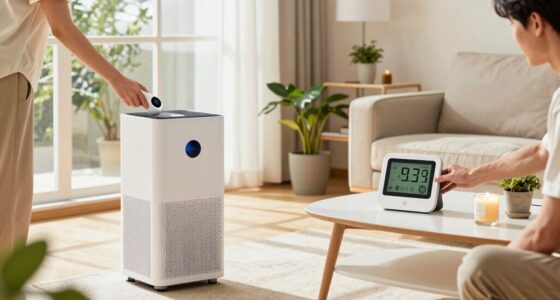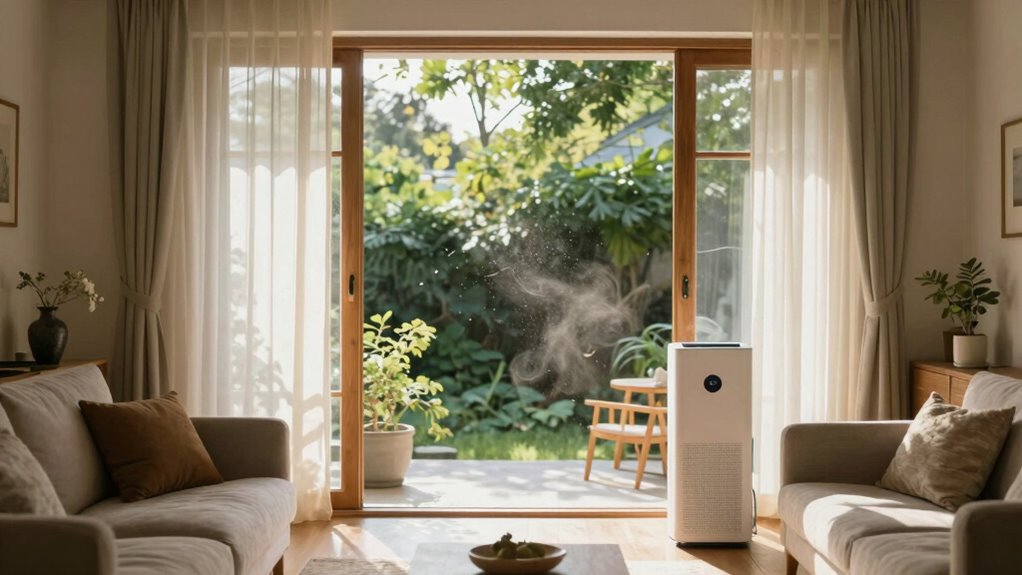
The air quality in your home feels different because it depends on factors like design, habits, and pollutants. Modern homes with tight seals can trap fumes and dust, while older houses may let in outdoor pollution. Activities like cooking, cleaning, or using candles add particles and VOCs. Ventilation helps remove these pollutants, but if it’s inadequate, the air can feel heavy or stuffy. Keep exploring how your home’s layout and habits shape your indoor air experience.
Key Takeaways
- Home design and sealing influence how well pollutants are trapped or ventilated, affecting air quality perception.
- Variations in ventilation practices and air exchange rates change indoor air freshness levels.
- Presence of pets, smokers, or indoor activities like cooking and cleaning introduce differing pollutants.
- The use of air purifiers and filtration systems can significantly alter indoor air cleanliness.
- External factors like outdoor pollution infiltration and home insulation impact indoor air quality differences.

Have you ever wondered what’s really lurking in the air inside your home? It’s a common question, especially because the air quality can feel so different from one house to another. The truth is, many homes have varying levels of indoor air pollution, which directly impacts how fresh or stuffy the air feels. Indoor air pollution includes things like dust, pet dander, mold spores, volatile organic compounds (VOCs), and even tiny particles from cooking or cleaning products. These pollutants can accumulate quickly, especially if your home isn’t ventilated well. That’s why ventilation effectiveness is a key factor in determining how clean or stale your indoor air appears. If your home isn’t exchanging stale air for fresh, the pollutants can build up, making the air seem heavier and harder to breathe.
Indoor air quality varies greatly, influenced by pollutants like dust, pet dander, mold, VOCs, and poor ventilation.
Your home’s layout, the number of residents, and the presence of pets or smokers all influence indoor air quality. For example, a tightly sealed modern home may trap pollutants inside, leading to higher concentrations of indoor air pollution. Conversely, older homes or those with poor insulation might allow outdoor pollutants to seep in, creating a different kind of air quality issue. The effectiveness of your ventilation system plays a vital role here. Proper ventilation ensures that pollutants don’t linger, replacing indoor air with fresh air from outside. Without it, pollutants settle, contributing to a feeling of stuffiness and discomfort, even if the air initially seemed clean. Additionally, air exchange strategies can help maintain a healthier balance of indoor air, especially when combined with other measures like air purification.
The type and frequency of your activities also matter. Cooking without proper exhaust can release grease and smoke into the air, while using harsh cleaning chemicals can emit VOCs that affect air quality. If you don’t have adequate ventilation in kitchen or bathroom areas, these pollutants can linger longer, impacting how the air feels. Even everyday habits like drying clothes indoors or using candles can influence indoor air pollution levels. It’s not just about what’s inside your home but also how well your home manages to circulate and remove those particles. Proper ventilation methods such as HVAC upgrades or exhaust fans can significantly enhance air exchange rates, ensuring pollutants are effectively removed. In some cases, air filtration systems may be necessary to further improve indoor air quality, especially in homes with specific sensitivities or allergies.
Every home’s air feels different because of these combined factors—pollutant sources, home design, and, vitally, ventilation effectiveness. Improving airflow through better ventilation systems, opening windows regularly, or using air purifiers can considerably change how your indoor air feels. When fresh air circulates efficiently, the air in your home feels lighter, cleaner, and more comfortable. But if ventilation is lacking, even a home that seems well-maintained can feel stale and oppressive. Understanding how these elements work together helps you create a healthier, more pleasant environment inside your home. Additionally, ventilation strategies such as upgrading HVAC systems or installing exhaust fans can significantly enhance air exchange rates, ensuring pollutants are effectively removed. Proper maintenance and air quality monitoring can also help identify specific issues and tailor solutions to improve indoor air health.
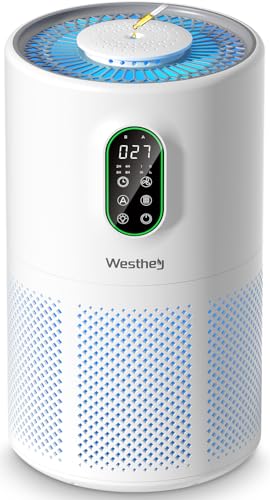
Air Purifiers for Home Large Room up to 1650 ft², WESTHEY H13 True HEPA Air Purifier for Bedroom with Night Light, Air Quality Monitor, Fragrance Sponge, Air Cleaner for Wildfire Smoke Dander Dust
WESTHEY AP02 AIR PURIFIER FOR HOME: The air purifiers feature a 360°surround air intake design with a high-efficiency…
As an affiliate, we earn on qualifying purchases.
As an affiliate, we earn on qualifying purchases.
Frequently Asked Questions
How Does Indoor Air Quality Impact Mental Health?
Indoor air quality directly impacts your mental health by influencing mental clarity and mood. Poor air quality can cause headaches, fatigue, and difficulty concentrating, making it harder to stay focused. Conversely, clean, well-ventilated air boosts your mood and sharpens mental clarity, helping you feel more alert and positive throughout the day. Prioritizing good air quality creates a healthier environment, supporting your overall mental well-being and daily performance.
Can Houseplants Improve Air Quality Significantly?
They say, “A little greenery goes a long way,” and that’s true for improving air quality. Houseplants like snake plants, pothos, and peace lilies can greatly boost air purification by filtering toxins and increasing humidity. While they won’t replace ventilation, adding diverse plant varieties can make a noticeable difference, making your home feel fresher and healthier. Just remember, proper care maximizes their air-purifying benefits.
What Are Hidden Sources of Indoor Air Pollution?
You may not realize it, but hidden pollutants lurk in your home, often stemming from cleaning habits. Harsh chemical cleaners release volatile organic compounds (VOCs) into the air, affecting your indoor air quality. Dust, pet dander, and mold also contribute to pollution levels. Regularly ventilate, choose eco-friendly cleaning products, and keep up with dusting to reduce these hidden pollutants and breathe cleaner, healthier air.
How Often Should Air Purifiers Be Replaced?
You should replace your air purifier filter every 6 to 12 months, depending on usage and filter type. For example, Jane’s HEPA filter started to lose effectiveness after nine months, showing reduced air quality. Regular filter maintenance guarantees peak performance. Keep an eye on manufacturer recommendations and consider your home’s air quality; replacing filters on time maintains clean, fresh air and prevents pollutants from lingering.
Do Air Quality Levels Vary by Room Size?
Yes, air quality levels vary by room size because larger rooms need more effective ventilation and higher-capacity air purifiers. Smaller rooms naturally maintain better air quality with less effort, while bigger spaces require devices that can handle greater volume. To guarantee ideal air quality, consider room size and ventilation efficiency when choosing and placing air purifiers, and regularly monitor air quality to make adjustments as needed.

8" Kitchen Exhaust Fan with Variable Speed Controller, 735CFM Wall Mount Ventilation Fans, Metal Attic Exhaust Fan, Small Fume Extractor Ventilation Fan for Kitchen Bathroom Shop Smoking Room Garage
【EXHAUST FANS】It is an Ideal Choice for Creating Efficient Indoor HVAC System Among Kitchens, Bedrooms, Offices, Basements, Warehouses,…
As an affiliate, we earn on qualifying purchases.
As an affiliate, we earn on qualifying purchases.
Conclusion
Every home has its unique air, shaped by your choices, your habits, and your environment. The air you breathe influences your health, your comfort, your well-being. By understanding what affects your indoor air quality, you can take control, make changes, and create a healthier space. Because your home isn’t just a place—it’s your sanctuary. And in that sanctuary, the quality of your air should always support your best, your health, your peace.

MOOKA Air Purifiers for Home Large Room up to 1076ft², H13 True HEPA Air Filter Cleaner, Odor Eliminator, Remove Smoke Dust Pollen Pet Dander, Night Light, B-D02L White
MOOKA B-D02L AIR PURIFIER FOR LARGE ROOM: With the high-efficiency filtration system, the air purifier covers an area…
As an affiliate, we earn on qualifying purchases.
As an affiliate, we earn on qualifying purchases.

KNKA Air Purifier for Home Bedroom Large Room Up to 1,695 Ft² in 1 Hr, HEPA Air Cleaner with Washable Pre-Filter, AQI Display, ECO Mode, Sleep Mode, Pet Mode for Pets, Dust, Pollen, APH4000
𝐇𝐢𝐠𝐡 𝐂𝐀𝐃𝐑 𝐕𝐚𝐥𝐮𝐞: This air purifier provides reliable performance with a Smoke/Dust/PM2.5 CADR of 226 CFM (384 m³/h)…
As an affiliate, we earn on qualifying purchases.
As an affiliate, we earn on qualifying purchases.