Washable HEPA claims can be tricky because filters are designed for single use, and washing may damage delicate fibers, reducing their ability to trap tiny particles effectively. Moisture from cleaning can also foster mold growth, further harming performance. Many washable filters are only truly effective for a few washes, and some companies market them as “HEPA-like,” not real HEPA. To fully understand these nuances, keep exploring what factors affect filter reliability over time.

Get health and wellness essentials delivered free — and shop member deals
- Fast, free delivery on millions of items
- Access to Prime Big Deal Days deals on October 6–7
- Prime Video, Amazon Music and more included
Key Takeaways
- Washable filters can be damaged during cleaning, reducing their ability to trap tiny particles effectively.
- Residual moisture after washing fosters mold and bacteria growth, compromising indoor air quality.
- Many “HEPA-like” claims are not verified by strict standards, leading to overestimated performance.
- Repeated washing degrades filter fibers, diminishing filtration efficiency over time.
- Long-term effectiveness of washable HEPA filters is uncertain compared to single-use, certified HEPA filters.

Are washable HEPA filters truly as effective as their disposable counterparts? That’s a question many consumers ask when they see claims suggesting these filters can be reused multiple times. The truth is, while washable HEPA filters may seem like a cost-effective and environmentally friendly option, their effectiveness isn’t always on par with traditional disposable filters. Manufacturers often promote them as being just as capable of capturing tiny particles, but the reality can be more complicated. The core issue lies in the filtration efficiency and how well the filter maintains its performance after multiple washes.
When you wash a HEPA filter, you run the risk of damaging the delicate fibers that make it effective. Unlike disposable filters, which are manufactured specifically for single use, washable filters are designed to be cleaned and reused. However, the cleaning process—often involving rinsing or brushing—can dislodge or break apart the tiny fibers that trap dust, allergens, and microbes. Over time, this damage can create gaps or reduce the filter’s ability to capture microscopic particles, defeating the purpose of having a HEPA-grade filtration system in the first place.
Washing HEPA filters can damage delicate fibers and reduce their ability to trap tiny particles effectively.
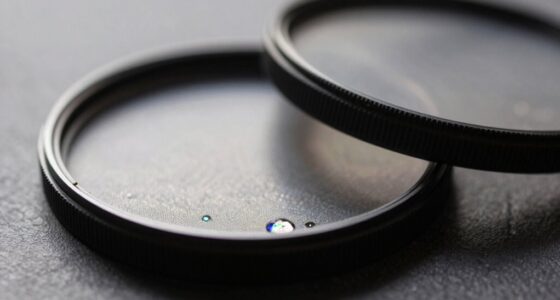
Another concern is the potential for residual moisture. If you don’t dry the filter thoroughly after washing, moisture can remain within the fibers. This dampness not only hampers the filter’s ability to trap particles but also creates an ideal environment for mold and bacteria growth. Such microbial growth can degrade indoor air quality rather than improve it, making washable filters less of a health benefit and more of a risk.
You should also consider that some washable filters are marketed as “HEPA-like,” which means they meet certain standards but might not fully comply with the rigorous testing that true HEPA filters undergo. These filters may claim to trap 99.97% of particles as small as 0.3 microns, but their actual performance can diminish after repeated washes. Over time, the filter’s ability to meet these specifications may decline, leading you to believe you’re protected when you’re not.
Ultimately, the effectiveness of washable HEPA filters depends heavily on the quality of the filter, how carefully you clean and dry it, and how many times it can be reused without losing its integrity. While they offer some environmental and cost advantages, you need to be aware that they might not perform as consistently or reliably as disposable HEPA filters. It is also important to consider filter replacement guidelines to ensure optimal air quality over time.
If your priority is ideal air filtration, it’s worth scrutinizing those claims, understanding the limitations, and considering whether a disposable HEPA filter might serve you better in the long run.
As an affiliate, we earn on qualifying purchases.
Frequently Asked Questions
How Often Should Washable HEPA Filters Be Cleaned?
You should clean your washable HEPA filter every 1 to 3 months, depending on usage and air quality. Check the manufacturer’s instructions for specific guidance, as some filters need more frequent cleaning if used in dusty or polluted environments. Regular maintenance ensures peak performance and prolongs the filter’s lifespan. Always make sure the filter is completely dry before reinstalling to prevent mold or damage.
Do Washable HEPA Filters Lose Filtration Efficiency Over Time?
You might be surprised, but washable HEPA filters can lose efficiency over time if not cleaned properly. As dirt and debris build up, the filter’s ability to trap tiny particles diminishes. When you neglect regular cleaning or use harsh methods, you risk damaging the filter media. Keep an eye on performance, clean the filter gently, and replace it when needed to maintain peak filtration.
Are Washable HEPA Filters More Cost-Effective Than Disposable Ones?
Yes, washable HEPA filters can be more cost-effective over time since you can reuse them instead of constantly buying replacements. However, they may require regular cleaning and maintenance to keep their efficiency, which can add to your expenses. Over the long run, if maintained properly, washable filters save you money, but if they lose filtration effectiveness quickly or need frequent replacements, disposable filters might be more practical and economical.
Can Washable HEPA Filters Be Used in All Air Purifiers?
You might think washable HEPA filters fit all air purifiers, but surprise—they don’t. Many models are designed specifically for disposable filters, making washable ones incompatible or less effective. So, if you’re tempted to swap, check your purifier’s specifications first. Otherwise, you could end up with a washable filter that doesn’t fit or work properly, turning your “cost-effective” choice into a hassle rather than a solution.
What Are the Environmental Impacts of Washable Versus Disposable Filters?
Washable filters generally have a lower environmental impact because you reuse them, reducing waste and landfill contributions. However, their cleaning and manufacturing still consume water and energy. Disposable filters generate more waste and often require frequent replacements, increasing landfill burden. If you choose washable filters, you’ll cut down on waste and resource use over time, but guarantee proper maintenance to maximize their eco-friendly benefits.
washable HEPA air purifier filter
As an affiliate, we earn on qualifying purchases.
As an affiliate, we earn on qualifying purchases.
Conclusion
So, when you see “washable HEPA” claims, approach with a bit of skepticism, just like Sherlock Holmes would scrutinize clues. Remember, not all filters are created equal, and some might not hold up after a few washings. Don’t be fooled into thinking you’ve found a magic solution; it’s more like trying to tame a dragon. Stay informed, ask questions, and don’t let these claims turn your home into a 21st-century Tower of Babel.
certified HEPA filter for air purifier
As an affiliate, we earn on qualifying purchases.
As an affiliate, we earn on qualifying purchases.
As an affiliate, we earn on qualifying purchases.
Fall Picks
fall essentials
As an affiliate, we earn on qualifying purchases.