Many homeowners believe they can achieve complete dryness in their basements, but that’s a myth. In reality, some moisture is always present due to underground water, rain, or internal activities. Focus on managing humidity with proper ventilation, moisture barriers, and sealing cracks, instead of trying to eliminate all moisture. These measures help create a healthier basement environment. If you want to understand how to effectively control moisture and set realistic expectations, keep exploring this important topic.
Key Takeaways
- Total dryness in a basement is unrealistic due to natural underground moisture; focus on moisture management instead.
- Proper ventilation reduces humidity but cannot eliminate all moisture issues.
- Moisture barriers prevent ground moisture intrusion but do not guarantee complete dryness.
- Sealing cracks and dehumidifiers help but cannot fully eradicate basement moisture.
- Moisture control is an ongoing process; expecting complete dryness is a common misconception.
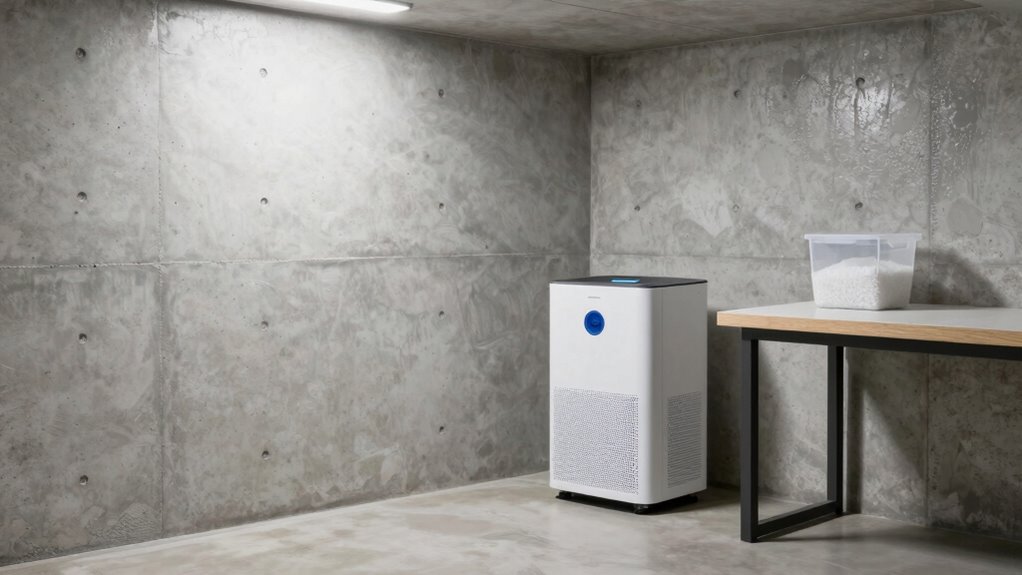
Is a completely dry basement really achievable? Many homeowners believe that with the right products or techniques, they can eliminate all moisture and have a perfectly dry space. However, this isn’t entirely true. Moisture is a natural part of underground environments, and complete dryness is often an unrealistic goal. Instead, focus on managing moisture levels effectively. Proper foundation ventilation plays a critical role here, helping to reduce humidity buildup and prevent condensation. Good ventilation allows moist air to escape and fresh air to circulate, which can significantly lower indoor humidity levels. But, ventilation alone can’t solve all moisture issues, especially if the foundation isn’t properly protected.
Complete dryness in a basement is unrealistic; focus on effective moisture management through ventilation and barriers.
That’s where moisture barriers come into play. These barriers act as a shield, preventing ground moisture from seeping into your basement. They are usually installed beneath the concrete slab or along foundation walls and serve as a critical line of defense against moisture intrusion. When combined with adequate foundation ventilation, moisture barriers significantly diminish the chances of dampness, mold, and musty odors. But it’s essential to understand that these measures are about control, not eradication. Moisture barriers don’t make your basement completely dry; instead, they limit the amount of moisture that can penetrate the space, making it more manageable.
Many homeowners fall into the trap of thinking that sealing every crack or installing a dehumidifier will guarantee a dry basement. While these strategies are helpful, they’re not standalone solutions. Proper foundation ventilation ensures that moist air doesn’t stagnate, reducing overall humidity. Moisture barriers, meanwhile, stop ground moisture from rising into the living space. Together, they create an environment that’s less hospitable to mold and mildew, but they don’t eliminate moisture entirely. Instead, they work to keep moisture at safe, manageable levels. Recognizing that moisture control is a continual process is essential for maintaining a healthy environment.
You should also remember that some moisture is inevitable. Rain, groundwater, and even your home’s internal activities—like cooking or bathing—add humidity. The goal isn’t to achieve perfection but to create a balanced, healthy environment. You can’t control the weather, but you can control how your home responds. Proper foundation ventilation and moisture barriers are essential tools in this process, helping you maintain a basement that’s comfortable, safe, and less prone to damage. Understanding that complete dryness is a myth helps you set realistic expectations and focus on effective moisture management strategies. Understanding moisture control is key to maintaining a healthy basement environment. Additionally, ventilation systems can help optimize airflow and further regulate humidity levels in your space. Recognizing that moisture management is a continuous process can help homeowners stay proactive in maintaining their basement conditions.

Whitecap Dimple Drainage Matting 4' x 50' – Heavy Duty Foundation Drainage Membrane for Crawl Space & Basement, Protects Vapor Barriers, Improves Water Flow, Waterproof Floor Underlayment
IMPROVES WATER FLOW & DRAINAGE Raised dimple design creates a continuous air gap that directs water toward drains…
As an affiliate, we earn on qualifying purchases.
As an affiliate, we earn on qualifying purchases.
Frequently Asked Questions
How Do I Identify if My Basement Is Truly Dry?
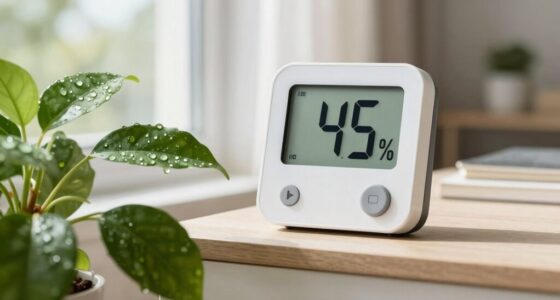
You can tell if your basement is truly dry by checking for signs of high basement humidity, like musty odors or mold growth. Use a hygrometer to measure humidity levels—ideally, it should stay below 60%. Also, look for damp spots or water stains on walls and floors. Installing a vapor barrier helps diminish moisture, keeping your basement dry and comfortable. Regular inspections ensure you catch issues early.
Can Basement Dryness Be Maintained Without Ongoing Waterproofing?
Think of your basement as a plant needing consistent care. Once you install good basement insulation and adopt effective ventilation strategies, you can maintain dryness without ongoing waterproofing. These measures act like a protective shield, preventing moisture buildup. However, neglecting them risks moisture intrusion. So, to keep your basement dry long-term, focus on proper insulation and ventilation, ensuring its “health” remains resilient without constant waterproofing efforts.
What Are Common Signs of a Moisture Problem in Basements?
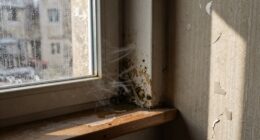
You might notice basement mold or a damp smell as signs of moisture problems. Foundation cracks can also appear, indicating water intrusion or structural issues. Peeling paint, discoloration, or a feeling of dampness on walls are common indicators. If you see mold growth or cracks, it’s essential to address the issue promptly, as these signs suggest ongoing moisture that could lead to further damage or health concerns.
Does Climate Change Affect Basement Moisture Levels?
Climate change impacts your basement moisture levels by altering climate patterns, bringing more intense storms, increased rainfall, and fluctuating temperatures. These shifts challenge your moisture control strategies, making it harder to keep your basement dry. You’ll experience more frequent dampness, condensation, or flooding, as climate patterns create unpredictable moisture problems. To protect your home, you need to adapt your moisture control methods, stay vigilant, and address climate-driven moisture issues proactively.
Are DIY Methods Effective for Preventing Basement Moisture?
DIY solutions can help reduce basement moisture, but they aren’t foolproof. Installing moisture barriers, sealing cracks, and improving drainage are good starting points. However, for persistent issues, these methods might not be enough. You should monitor the results closely and consider professional help if moisture problems continue. Properly applied DIY solutions can make a difference, but understanding the limits of these methods guarantees you don’t neglect more complex underlying causes.

2500 Sq.Ft Dehumidifier for Basement with Drain Hose Max 34 Pints, VEAGASO Dehumidifiers for Home, Large Room, Bathroom, Bedroom, Three Modes, Intelligent Humidity Control, Dry Clothes, 24HR Timer
Three Smart Modes Dehumidifiers – Our dehumidifier for basements come with 3 smart modes that make choosing between…
As an affiliate, we earn on qualifying purchases.
As an affiliate, we earn on qualifying purchases.
Conclusion
Don’t let this myth trap you like a leaky faucet—you’re smarter than that. Believing your basement can stay dry without proper maintenance is like expecting a sponge to stay dry in a rainstorm. Instead, stay vigilant, fix issues promptly, and trust expert advice. Remember, keeping your basement dry is a continuous process, not a one-time fix. By busting this myth, you’re taking control and protecting your home from future water trouble.

RadonSeal Complete DIY Foundation Crack Repair Kit, 10 Ft – Low-Viscosity Urethane Injection Sealant for Crawl Spaces & Concrete Basement Walls, Stops Water Leaks & Radon Gas, Drill-Free Filler
Drill-Free Injection: Repair basement wall cracks effortlessly without drilling, ensuring minimal disruption to your home's structure.
As an affiliate, we earn on qualifying purchases.
As an affiliate, we earn on qualifying purchases.
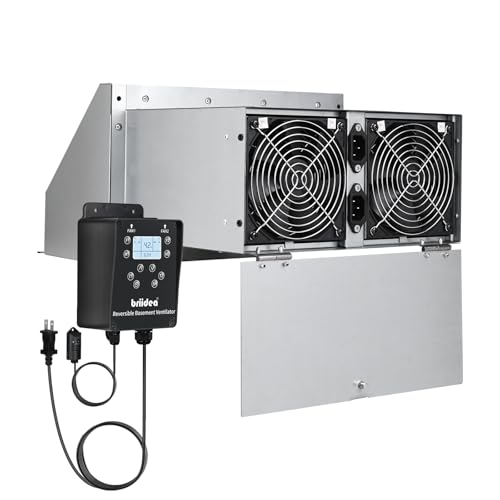
Reversible Basement Ventilation Fan with Dual 100 CFM Fans, Independent Speed Control, Smart Humidity & Timer Modes, Real-Time Display, Fresh Air Supply & Exhaust for Basement, Storeroom, Wine Cellar
REVERSIBLE DUAL FAN DESIGN: Reversible Basement Ventilation Fan features two independently controlled fans with easy reverse function. It…
As an affiliate, we earn on qualifying purchases.
As an affiliate, we earn on qualifying purchases.