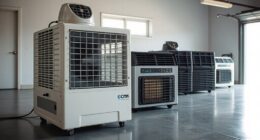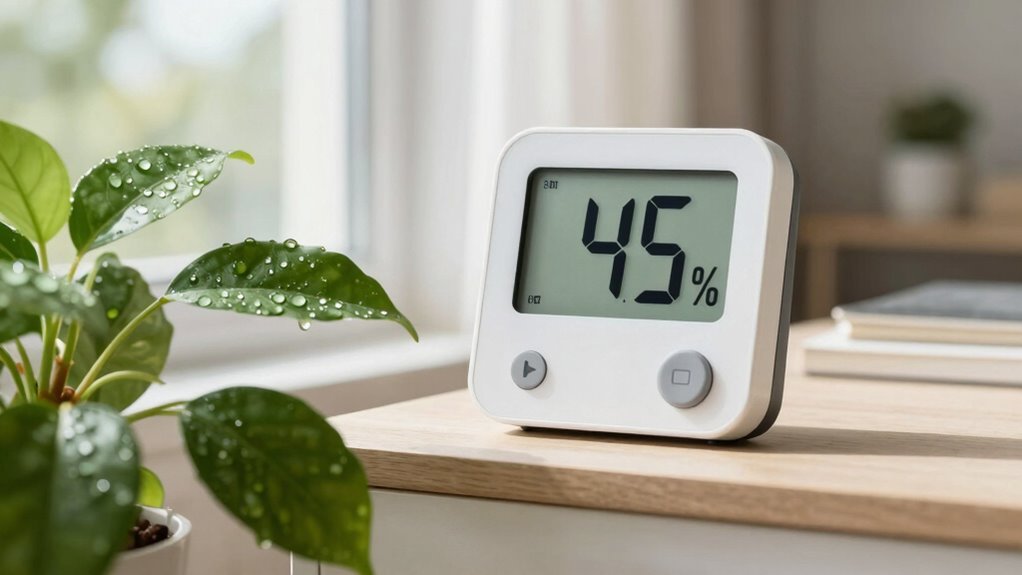

Maintaining indoor humidity between 30% and 50% is essential for your health and comfort. This range helps prevent mold, reduces allergens, and supports your respiratory wellness. Too low humidity can lead to dry skin and irritation, while high humidity increases mold risks. Monitoring and using the right tools can help you achieve this balance. Let’s explore more strategies and tips to effectively manage humidity in your home for a healthier indoor environment.

Get health and wellness essentials delivered free — and shop member deals
- Fast, free delivery on millions of items
- Access to Prime Big Deal Days deals on October 6–7
- Prime Video, Amazon Music and more included
Key Takeaways
- Maintaining indoor humidity between 30% and 50% prevents mold growth and enhances respiratory comfort.
- Humidity levels below 30% can cause dry skin and respiratory issues, while above 50% increases mold risk.
- Use a hygrometer to accurately measure and monitor indoor humidity levels regularly.
- Employ dehumidifiers in damp areas and humidifiers in dry climates to maintain optimal humidity.
- Proper humidity control improves air quality, supports health, and prevents structural damage from excess moisture.
Understanding Indoor Humidity

Understanding indoor humidity is essential for maintaining a comfortable and healthy living environment. When humidity levels are too high or too low, you can face issues like mold growth and increased allergens, which can impact your well-being. Keeping humidity within the ideal range helps with mold prevention, ensuring your space remains safe and pleasant. You’ll also find that proper humidity levels provide allergy relief by minimizing dust mites and other irritants that thrive in damp conditions. To achieve this, consider using dehumidifiers or humidifiers, depending on your needs. Additionally, using air purifiers can significantly enhance your indoor air quality by reducing pollutants. Regular maintenance of these devices can also ensure they function effectively. By monitoring and adjusting indoor humidity, you’ll create a more enjoyable atmosphere while safeguarding your health and comfort. Remember, a balanced environment is key to feeling your best! Furthermore, understanding filtration systems can further enhance your indoor air quality by reducing pollutants. Maintaining color accuracy in your home cinema setup can also contribute to a more enjoyable viewing experience. Proper humidity control is vital for preventing conditions that can lead to mold and allergens.
The Science Behind the 30–50% Rule
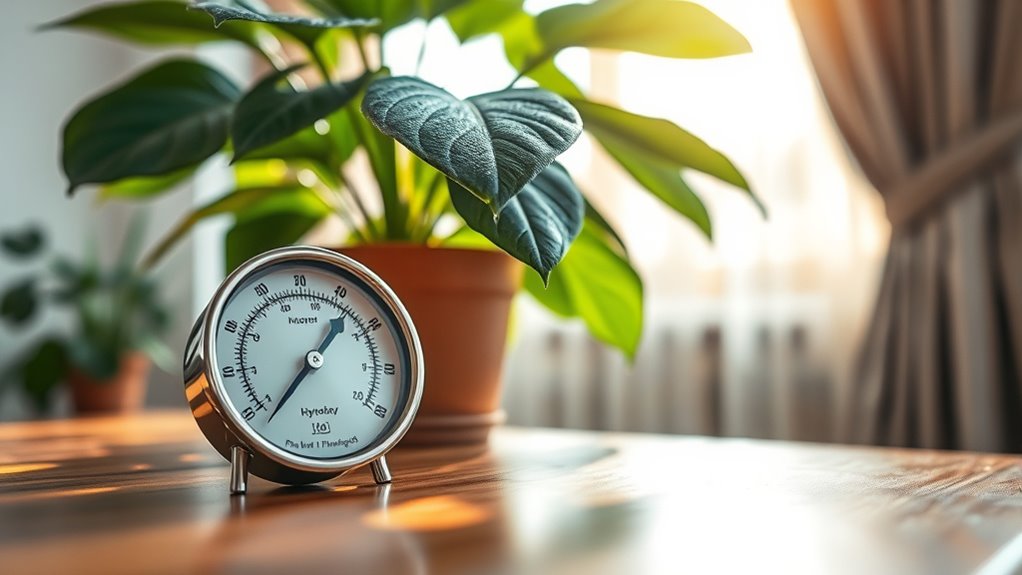
When it comes to indoor humidity, maintaining levels between 30% and 50% is vital for your health and comfort. This range not only helps prevent mold and dust mites but also enhances energy efficiency in your home. Understanding the science behind this rule can considerably improve your living environment. Additionally, using energy-efficient cloud servers can further support sustainable living practices by optimizing energy use in your home. Ensuring proper humidity levels can also improve indoor air quality, similar to the way fresh ingredients sourced from local farms enhance the flavor and nutritional value of meals. Maintaining a balanced indoor atmosphere can also prevent the growth of harmful allergens that thrive in overly humid environments. Furthermore, understanding credit card terms is essential for financial literacy, which can help you manage your household budget effectively. A well-maintained indoor climate can create a sense of joy and nostalgia much like a favorite song does.
Humidity and Health
Maintaining indoor humidity levels between 30% and 50% is essential for your health, as this range helps prevent the growth of mold and dust mites while also keeping your respiratory system comfortable. When humidity levels drop below 30%, you might experience dry skin, irritated eyes, and respiratory issues. On the other hand, higher humidity can lead to mold growth and trigger allergic reactions, making it hard for you to breathe comfortably. By keeping humidity within the ideal range, you reduce the likelihood of these problems, ensuring a healthier indoor environment. Regularly monitoring your humidity levels can help you maintain this balance, promoting overall well-being for you and your family.
Comfort and Energy Efficiency
How can indoor humidity levels impact your comfort and energy bills? Maintaining humidity between 30-50% not only enhances your comfort but also improves air quality and aids in mold prevention. When humidity is too high, your space feels stuffy, and you might crank up the AC to cool down, driving up energy costs. Conversely, low humidity can make the air feel cold and dry, prompting extra heating. Additionally, smart appliances can help monitor and regulate humidity levels to optimize your home’s environment. Keeping humidity in this range can also assist in preventing sinus congestion and other respiratory issues that arise from dry air. Furthermore, maintaining optimal humidity levels contributes to overall wellness, which is essential for a healthy living environment. Moreover, maintaining optimal humidity levels can enhance the overall experience in spaces like water parks, where comfort is key to enjoyment.
| Humidity Level | Comfort Level |
|---|---|
| 30% | Dry and Chilly |
| 40% | Comfortable |
| 50% | Ideal |
| Above 60% | Stuffy & Molds |
Benefits of Maintaining Optimal Humidity Levels

Ideal humidity levels in your home can considerably enhance your comfort and well-being. When you maintain best humidity between 30-50%, you not only feel more comfortable, but you also promote mold prevention. Excess moisture can lead to mold growth, which can negatively impact your health. Keeping humidity in check helps create an environment that discourages mold development. Additionally, proper humidity levels contribute to allergen reduction. Dust mites, pet dander, and other allergens thrive in overly humid conditions. By managing humidity, you can reduce these irritants, leading to better air quality and fewer allergy symptoms. Overall, maintaining preferable humidity makes your home a healthier place, allowing you to breathe easier and enjoy a more comfortable living space. Furthermore, proper ventilation is essential in achieving these optimal humidity levels, as it helps to circulate air and reduce moisture buildup in enclosed spaces. This is similar to how charging habits for electric vehicles can optimize performance and longevity, ensuring a better overall experience. Moreover, clutter-light homes can help you maintain these humidity levels effectively by allowing for better airflow throughout your living space. Additionally, utilizing star trackers in deep-sky imaging can help ensure that you achieve clarity in your astrophotography, much like maintaining humidity for better air quality. Maintaining optimal humidity levels can also aid in energy efficiency, reducing the workload on heating and cooling systems to create a more sustainable home environment.
Common Problems Caused by Improper Humidity
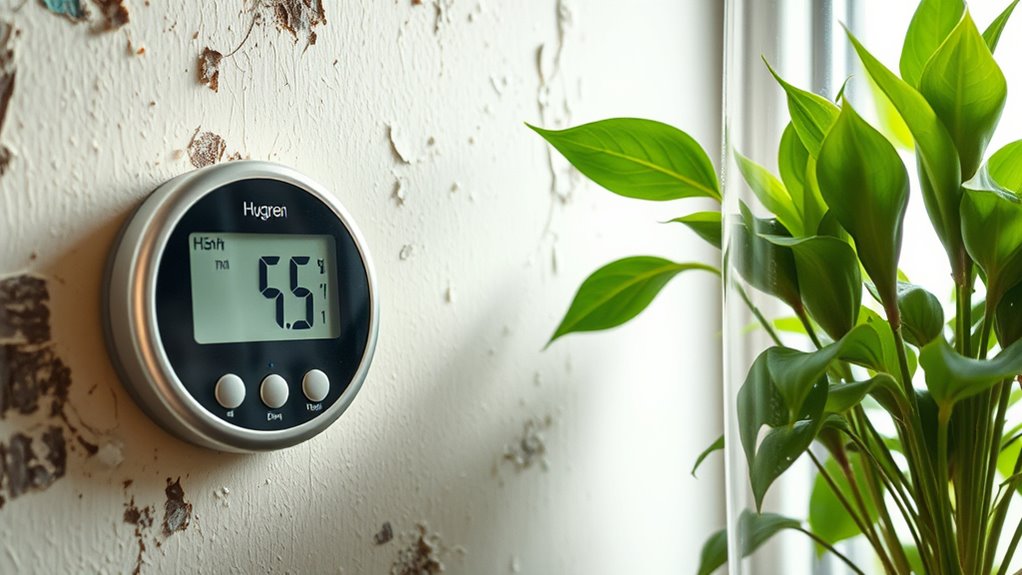
When humidity levels drift outside the recommended range of 30-50%, it can lead to a host of problems in your home. You might notice increased mold growth, which thrives in damp conditions. This can lead to structural damage and health issues, as homes without adequate security systems are more susceptible to various risks. On the other end, low humidity can cause allergen proliferation, making dust and pet dander more airborne, aggravating allergies and respiratory problems. Maintaining ideal humidity levels is crucial for preventing issues similar to those faced by homeowners transitioning from a more traditional lifestyle, akin to Kate From Breaking Amish who navigated new challenges in her post-Amish life. Additionally, understanding industry trends in home maintenance can help you better manage humidity levels effectively. Maintaining proper humidity also contributes to healthy indoor environments, which can enhance your overall well-being.
| Humidity Level | Common Problem | Suggested Action |
|---|---|---|
| Below 30% | Dry skin, static electricity | Use a humidifier |
| 30-50% | Ideal | Maintain current levels |
| Above 50% | Mold growth | Dehumidify your space |
| Above 60% | Allergen proliferation | Ensure proper ventilation |
How to Measure Indoor Humidity

To accurately measure indoor humidity, you’ll want to use a hygrometer, which provides real-time readings of moisture levels in the air. These devices come in various types, including analog and digital models, both equipped with humidity sensors that detect moisture content. When using a hygrometer, make sure to perform regular hygrometer calibration to guarantee precise readings. This involves adjusting the device according to the manufacturer’s instructions or comparing it with a known accurate hygrometer. Place your hygrometer in a central location, away from direct sunlight or drafts, for the most reliable results. Regularly checking humidity levels can help you maintain a comfortable indoor environment, preventing issues related to improper humidity.
Tools for Managing Humidity

After measuring your indoor humidity, managing it effectively becomes your next step. Start by verifying your hygrometer calibration is accurate; an incorrectly calibrated device can lead to misguided decisions. Once you’re confident in your readings, consider the placement of your humidifier. Position it away from walls and furniture to allow for even distribution of moisture. This helps prevent damp spots and ensures a balanced environment. If you live in a particularly dry climate, investing in a whole-house humidifier might be beneficial. Additionally, using exhaust fans in moisture-prone areas like kitchens and bathrooms can help maintain that ideal humidity range. By using these tools wisely, you’ll create a more comfortable and healthier living space.
Tips for Reducing Humidity in Your Home
To keep humidity levels in check, you should consider using dehumidifiers effectively. It’s also essential to improve your home’s ventilation systems to allow for better air circulation. By taking these steps, you’ll create a more comfortable living environment.
Use Dehumidifiers Effectively
While maintaining ideal indoor humidity levels is essential for comfort and health, using dehumidifiers effectively can make a significant difference in your home. Start by ensuring proper dehumidifier placement—position it in the most humid areas, like basements or laundry rooms. This helps capture excess moisture more efficiently. Regular maintenance tips include cleaning the filter every month and emptying the water tank frequently to keep the unit running smoothly.
Here’s a quick reference table for effective dehumidifier use:
| Tip | Description | Frequency |
|---|---|---|
| Placement | Keep in humid areas | Always |
| Filter Cleaning | Clean to maintain efficiency | Monthly |
| Tank Emptying | Prevent overflow and odors | Weekly |
Improve Ventilation Systems
Improving your home’s ventilation system is essential for reducing humidity levels effectively. Proper ventilation not only enhances air quality but also plays a key role in mold prevention. Here are three tips to help you achieve that:
- Install Exhaust Fans: Use them in bathrooms and kitchens to remove excess moisture quickly.
- Open Windows: When weather permits, let fresh air circulate to balance indoor humidity levels.
- Use Air Purifiers: They can help filter out allergens and reduce moisture in the air.
Strategies for Increasing Humidity in Dry Conditions
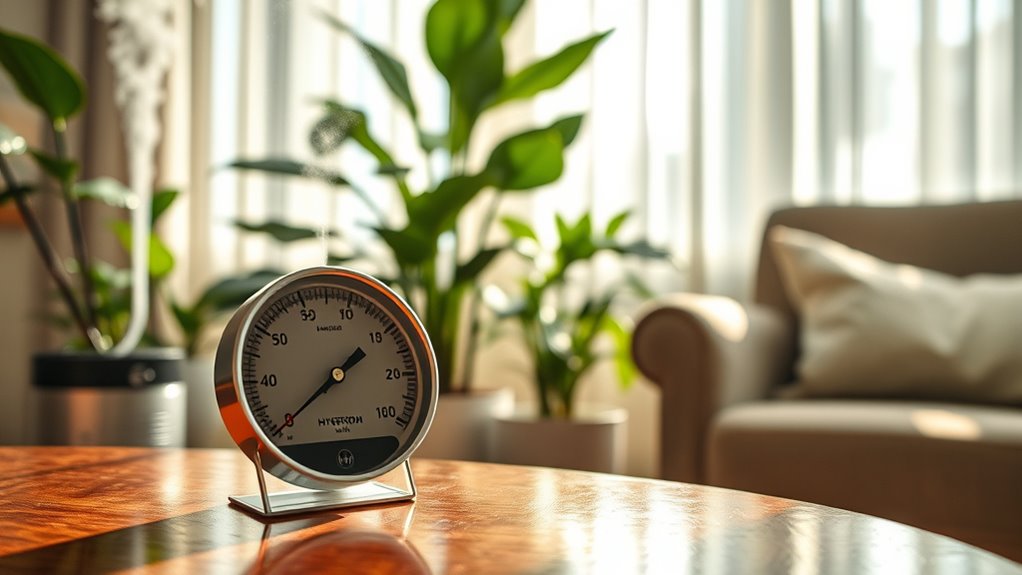
When the air in your home feels uncomfortably dry, several effective strategies can help boost humidity levels. First, consider proper humidifier placement; positioning your humidifier in a central location can maximize its effectiveness. Aim for areas where you spend the most time, like the living room or bedroom. You can also increase humidity naturally by incorporating plant hydration. Houseplants release moisture into the air, so adding a few more green friends can make a difference. Be sure to mist your plants regularly for an added boost. Finally, try placing bowls of water near heat sources; as the water evaporates, it raises humidity levels in your home. Implement these tips to create a more comfortable indoor environment.
Seasonal Considerations for Humidity Control
As the seasons change, so do the humidity levels in your home, which can substantially impact your comfort. Understanding seasonal fluctuations and how they relate to the outdoor climate is crucial for maintaining a cozy environment. Here are three things to take into account:
- Winter Dryness: Low humidity can lead to dry skin and respiratory issues, making you feel uncomfortable.
- Summer Humidity: High humidity can create a sticky, oppressive atmosphere, making it hard to relax.
- Transitional Months: Spring and fall can bring unpredictable changes, requiring you to adjust your humidifiers or dehumidifiers frequently.
Frequently Asked Questions
How Does Humidity Affect My Home’s Energy Efficiency?
Humidity directly impacts your home’s energy efficiency. High humidity levels make your air conditioning work harder, increasing energy costs. By maintaining your dehumidifier, you can keep humidity in check, ensuring your AC runs efficiently. Regular humidity sensor calibration is vital, too; it helps accurately measure moisture levels and adjust your systems accordingly. Keeping humidity balanced not only saves energy but also creates a more comfortable living environment for you and your family.
Can Indoor Plants Help Regulate Humidity Levels?
You’ve hit the nail on the head—indoor plants can definitely help regulate humidity levels! By transpiring moisture through their leaves, they increase humidity in the air. Just keep an eye on your plant maintenance, ensuring they’re healthy and well-watered. Using humidity sensors can help you monitor levels, so you know when to adjust your watering routine or add more plants for that extra humidity boost. It’s a win-win for your home!
What Is the Ideal Humidity for Specific Rooms?
The ideal humidity for specific rooms varies: you’ll want around 30-50% in living areas and bedrooms for best air quality. In bathrooms and kitchens, aim for slightly lower levels to prevent mold growth. Using a dehumidifier can help control excess moisture in these spaces. Remember, maintaining the right humidity not only boosts comfort but also protects your home from potential damage caused by mold and other issues related to poor air quality.
How Does Outdoor Weather Influence Indoor Humidity?
Outdoor weather greatly influences indoor humidity. When it’s humid outside, your HVAC system might struggle to maintain comfortable levels, especially if your building insulation isn’t effective. Conversely, dry outdoor air can lead to low indoor humidity, making your space feel uncomfortable. By monitoring outdoor conditions and ensuring your HVAC system is working efficiently, along with proper insulation, you can better manage indoor humidity for a more pleasant environment.
Are There Health Risks Associated With Low Humidity Levels?
Yes, there are health risks associated with low humidity levels. When humidity drops too low, it can lead to respiratory issues, as dry air irritates your airways and makes breathing uncomfortable. You might also notice an increase in dust and allergens, which can exacerbate allergies. Additionally, low humidity can promote mold growth in certain conditions, particularly if moisture is present elsewhere. Keeping humidity balanced can help maintain a healthier indoor environment for you.
Conclusion
In conclusion, keeping your indoor humidity between 30–50% isn’t just a guideline; it’s a game changer for your comfort and health. Think of it as the sweet spot where your home feels just right—neither too dry nor too damp. By measuring, managing, and adjusting humidity levels, you’re not just enhancing your space; you’re creating a sanctuary. So, embrace these tips and strategies, and let your home breathe easy, because a balanced environment leads to a balanced life.
Fall Picks
fall essentials
As an affiliate, we earn on qualifying purchases.