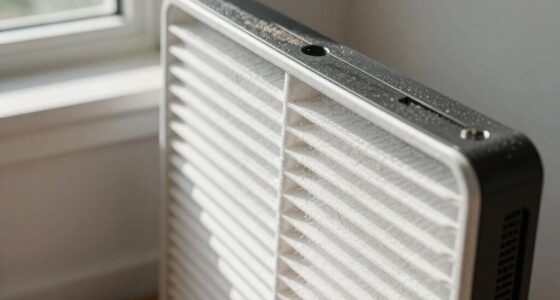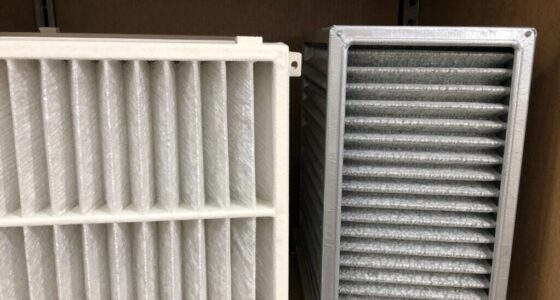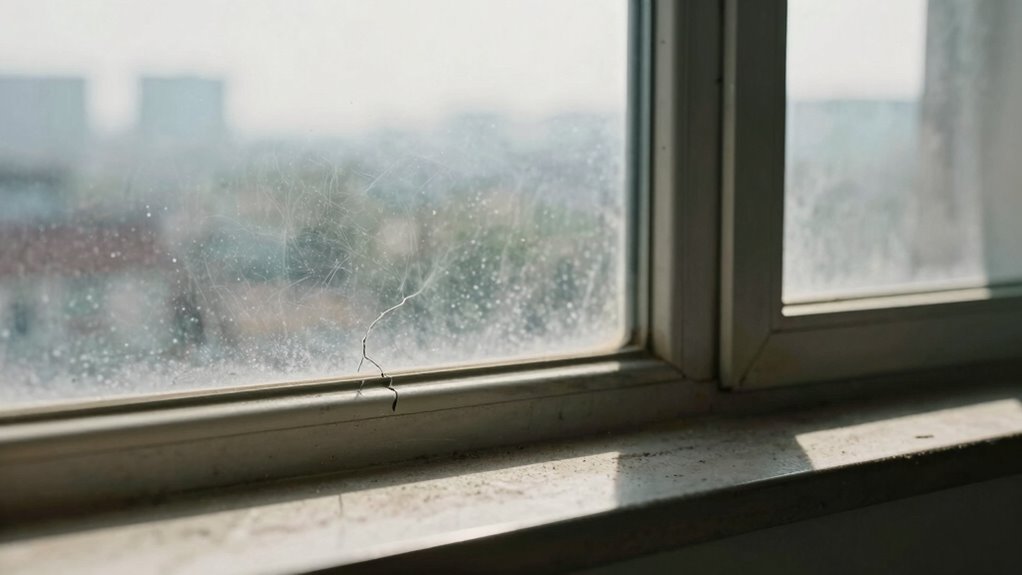

Air leaks are sneaky openings in your home that let outdoor pollution and allergens sneak inside. These gaps often occur around windows, doors, and in attics or basements. They allow dust, pollen, and moisture to affect your indoor air quality, leading to discomfort and health issues. Sealing these leaks is essential for a healthier living environment. Want to know more about how to tackle air leaks and improve your home’s air quality?
Key Takeaways
- Air leaks occur through gaps in windows, doors, and walls, allowing outdoor pollutants to infiltrate indoors.
- Common sources of outdoor pollution include dust, pollen, mold spores, and VOCs that enter through unsealed areas.
- Insufficient attic and basement insulation can exacerbate air leaks, increasing energy costs and indoor pollution levels.
- Sealing air leaks with weatherstripping and caulk can significantly improve indoor air quality by blocking external contaminants.
- Regular inspections and maintenance of insulation and ventilation systems help prevent re-infiltration of outdoor pollutants.

RingConn Gen 2 Smart Ring - Sleep Apnea Monitoring(Silver, Size 10)
- Sleep Apnea Monitoring: Tracks sleep health with AI technology
- Size Guidance: Includes sizing kit for perfect fit
- No Subscription Needed: Lifetime access to health app features
As an affiliate, we earn on qualifying purchases.
Understanding Air Leaks: What They Are and How They Form

When you think about air leaks, you might not realize how they can sneak into your home, disrupting energy efficiency and comfort. Air leaks occur when outside air penetrates your living space, often due to gaps or cracks in the building envelope. Thermal bridging plays a significant role here; it happens when a conductive material allows heat to pass through, creating a pathway for unwanted air. An effective air barrier can help prevent these leaks by blocking airflow and enhancing insulation. Additionally, using proper insulation techniques can significantly reduce the impact of thermal bridging. In fact, employing deep-sky imaging techniques can help you visualize the effects of air leaks in your home. The use of energy-efficient cloud servers can also support sustainable solutions by minimizing energy consumption in data management. For optimal performance, consider the contrast ratio of your home cinema projector to ensure vibrant images during movie nights. Without proper sealing, your home’s energy efficiency suffers, leading to higher utility bills and reduced comfort. Identifying and addressing air leaks is vital to maintaining a cozy, energy-efficient home. Additionally, ensuring you have proper safety measures in place for your heating and cooling systems can further enhance your home’s overall energy efficiency.

Smart Ring for Women Men, Health Tracker with Heart Rate/Blood Oxygen/Blood Pressure/Sleep Monitoring/Step Counting, IP68 Waterproof Fitness Ring, No App Fees for iPhone & Android (Green, 6#)
- Real-time Health Monitoring: Tracks heart rate, oxygen, sleep, and activity
As an affiliate, we earn on qualifying purchases.
Common Sources of Air Leaks in Your Home

You might be surprised to learn that some of the biggest air leaks in your home come from windows and doors. It’s also common to find gaps in your attic and basement that let air slip in and out. Identifying these sources is essential for improving your home’s energy efficiency. Additionally, creating calm and organized homes by sealing these leaks can enhance your home’s overall energy efficiency by reducing heating and cooling costs. By investing in smart home gym equipment, you can create a more comfortable environment to support your fitness journey while also maintaining energy efficiency. Regularly checking for air leaks can help you maintain optimal indoor air quality and comfort levels. Moreover, ensuring proper ventilation systems can further reduce the impact of outdoor pollutants entering your home.
Windows and Doors
Windows and doors often serve as primary culprits for air leaks in your home. You might not realize it, but gaps and cracks around these areas can let in unwanted outdoor pollution while letting your energy bills climb. Check your window insulation; if it’s worn or missing, consider replacing it to improve your home’s efficiency. Additionally, inspect your door weatherstripping. If it’s damaged or missing, air can easily sneak in and out, making your space less comfortable. A simple fix can make a significant difference. By ensuring your windows and doors are properly sealed, you can create a more energy-efficient environment and reduce the impact of outside pollutants, keeping your home safe and cozy. Implementing smart appliances can further enhance the air quality and energy savings in your kitchen. Furthermore, ensuring that your home is equipped with high-quality air purifiers can significantly reduce the presence of indoor pollutants. Remember, necessary cookies are essential for the basic functionalities of websites, including those that help you find products to improve your home. Furthermore, using breathable materials in your home décor can also help maintain better air quality and comfort. Investing in a home security system can also protect against potential intrusions related to these vulnerabilities.
Attic and Basement
How often do you think about the attic and basement when it comes to air leaks? These areas are often overlooked but can be significant sources of outdoor pollution entering your home. Poor attic insulation can lead to unwanted drafts, causing your heating or cooling systems to work harder. On the other hand, inadequate basement ventilation can trap moisture and pollutants, compromising your indoor air quality. Well-sourced coverage of these issues emphasizes the importance of addressing them effectively. Additionally, understanding the role of necessary cookies in enhancing user experience on websites can highlight the importance of maintaining a clean indoor environment.
In fact, rising stars in home improvement technology are now offering innovative solutions to tackle air leaks more effectively. For example, effective insulation techniques can significantly improve your home’s energy efficiency. To tackle these issues, verify your attic is well-insulated and sealed against leaks. For your basement, consider improving ventilation to keep air flowing and reduce humidity levels. Additionally, incorporating natural filtration systems can help maintain a healthier indoor environment by reducing pollutants. By addressing these common leak sources, you can create a healthier and more energy-efficient home, ultimately enhancing your comfort and well-being.

Smart Ring No Subscription, Health Tracker Ring for Women (Rose Gold, 9#)
- Size Guide & Fit: Official size chart for perfect fit
- Health Tracking: 6-in-1 real-time health data monitor
- Sleep Monitoring: Auto-tracks sleep cycles and quality
As an affiliate, we earn on qualifying purchases.
The Impact of Outdoor Pollution on Indoor Air Quality

Although outdoor pollution often feels like a distant issue, it can considerably affect indoor air quality. When pollutants seep inside, they can compromise your health and comfort. To tackle this, you can implement effective indoor air filtration and ventilation strategies.
- Use high-efficiency particulate air (HEPA) filters in your HVAC system.
- Regularly change air filters to improve filtration efficiency.
- Seal leaks around windows and doors to minimize outdoor air entry. In addition, outdoor pollution can travel indoors through small openings, making it essential to address these leaks. Drones equipped with aerial imaging technology can help identify potential sources of outdoor pollution near your home.
- Consider using air purifiers to reduce particulate matter indoors.
Additionally, maintaining better indoor air through these strategies can lead to a healthier living environment.

Cisike Fitness Tracker, Health Wearable, Activity Tracker with APP
- Continuous 24/7 Health Monitoring: Heart rate, sleep, stress, and more
- Personalized Health Insights: Sleep, strain, recovery, VO2 max, menstrual cycle
- Stress and Aging Tracking: Real-time stress, Cisike Age, Pace of Aging
As an affiliate, we earn on qualifying purchases.
Types of Pollutants That Can Enter Through Air Leaks

Air leaks can bring in various pollutants that affect your indoor air quality. You might unknowingly allow particulate matter, volatile organic compounds, and even biological contaminants to enter your home. Understanding these pollutants is vital for maintaining a healthier living environment.
Particulate Matter Infiltration
When you think about air leaks, it’s essential to contemplate the types of particulate matter that can infiltrate your home. These tiny particles can profoundly affect your indoor air quality and overall health. By understanding what can enter through these leaks, you can take steps toward better indoor air filtration and mold prevention.
- Dust and pollen
- Pet dander
- Smoke and soot
- Mold spores
Each of these pollutants can exacerbate allergies and respiratory issues. Sealing air leaks not only improves your home’s energy efficiency but also helps create a cleaner, healthier environment. Don’t underestimate the impact of these infiltrators; addressing them can lead to a fresher and safer living space.
Volatile Organic Compounds
While you might think of air leaks primarily as pathways for dust and allergens, they can also introduce volatile organic compounds (VOCs) into your home. These compounds are often found in common household products and can substantially impact indoor air quality. Improving indoor air circulation and focusing on VOC reduction can help mitigate these risks.
| Source | Common VOCs | Health Effects |
|---|---|---|
| Paints and Solvents | Benzene, Toluene | Headaches, dizziness |
| Cleaning Products | Formaldehyde | Respiratory issues |
| Air Fresheners | Phthalates | Hormonal disruptions |
| Building Materials | Asbestos | Lung disease |
Biological Contaminants Entry
Despite your best efforts to maintain a clean home, biological contaminants can still sneak in through air leaks. These invisible invaders can seriously affect your indoor air quality. When air leaks occur, they create pathways for various pollutants, including:
- Mold spores: These thrive in damp environments and can lead to respiratory issues.
- Dust mites: Common in homes, they can trigger allergies and asthma.
- Pollen: Seasonal allergens can enter easily, affecting those with sensitivities.
- Pet dander: If you have furry friends, their dander can circulate through air leaks, causing discomfort.
Identifying Air Leaks: Signs to Look For

To effectively identify air leaks in your home, you’ll want to pay attention to specific signs that indicate trouble. Check for drafts around windows and doors; if you feel a chill or warm air coming in, that’s a red flag. Look for gaps in your walls, especially around electrical outlets and pipes. If your energy bills are unexpectedly high, it could mean your climate control system is working harder due to leaks. Listen for unusual noises, like whistling or hissing, which can signal air escaping. Pay attention to any condensation or moisture buildup, as it can indicate poor air sealing. By spotting these signs, you’ll improve your energy efficiency and create a more comfortable living space.
Tools and Techniques for Detecting Air Leaks

Once you’ve identified the signs of air leaks, it’s time to gather the right tools and techniques to pinpoint their exact locations. You can effectively detect leaks by using a few handy tools that help you examine air ducts and insulation gaps. Here are some techniques to contemplate:
- Smoke Pencil: A simple tool that creates a thin stream of smoke to visualize airflow.
- Infrared Thermometer: Measures surface temperatures, helping you spot cold areas in insulation.
- Blower Door Test: A professional method that measures air leakage by pressurizing your home.
- Foam Sealant: While it’s primarily for sealing, applying it can help reveal leaks as you watch for airflow changes.
Using these tools, you can better understand where air leaks are hiding in your home.
Practical Solutions for Sealing Air Leaks

While you may have identified air leaks, sealing them effectively is essential for improving your home’s energy efficiency. Start by applying weatherstripping around doors and windows to block drafts. Next, use caulk to fill gaps in your home’s exterior, especially around pipes and vents. Insulation enhancements can also make a significant difference: consider adding insulation to your attic and walls to prevent air exchange. For larger leaks, spray foam can provide a strong seal. Don’t forget about your basement and crawl spaces; these areas often harbor hidden leaks. By employing these sealing techniques, you’ll create a more comfortable home while reducing energy costs. Tackle these solutions one step at a time for the best results.
Maintenance Tips to Prevent Future Air Leaks

Since air leaks can reappear over time, regular maintenance is key to preventing future issues. Here are some practical tips you can follow to keep your home secure:
- Inspect insulation regularly for wear and tear; consider insulation upgrades if necessary.
- Check weatherstripping around doors and windows; replace it if it’s cracked or worn.
- Maintain your ventilation system; schedule routine cleanings and make ventilation improvements to enhance airflow.
- Seal gaps and cracks in walls and foundations; use caulk or spray foam to fill any openings.
The Benefits of Improved Indoor Air Quality

Improved indoor air quality not only enhances your comfort but also contributes to your overall health and well-being. When you breathe cleaner air, you reduce the risk of respiratory issues and allergies. Incorporating indoor plants can help purify the air naturally, as they absorb toxins and release oxygen. Air purifiers can also play a significant role by filtering out pollutants, dust, and allergens, creating a healthier living environment. You’ll notice improved energy levels and better sleep as the air quality improves. Plus, a fresher atmosphere can elevate your mood and productivity. By investing in indoor plants and air purifiers, you’re taking proactive steps toward a healthier home that benefits both you and your family.
Frequently Asked Questions
How Do Air Leaks Affect Energy Bills?
Air leaks can substantially raise your energy bills by allowing conditioned air to escape and letting outside air in. This forces your heating and cooling systems to work harder, leading to higher energy consumption. By improving home insulation and sealing those leaks, you can enhance energy conservation. You’ll notice a drop in utility costs and a more comfortable living environment, making it a smart investment for your home’s efficiency.
Can Air Leaks Lead to Mold Growth?
Yes, air leaks can definitely lead to mold growth. When you have air leak sources, moist outdoor air can enter your home, creating a humid environment perfect for mold. To combat this, you should focus on mold prevention by sealing any gaps or cracks in your walls and windows. Regularly checking for leaks and maintaining proper ventilation will help keep your indoor air dry and reduce the risk of mold development.
Do Air Leaks Impact HVAC Efficiency?
Yes, air leaks markedly impact HVAC efficiency. When you leave gaps unsealed, your system works harder to maintain the desired temperature, wasting energy and money. By employing effective sealing techniques and considering insulation upgrades, you can minimize these leaks, boost your system’s performance, and reduce energy costs. So, take action—seal those leaks and upgrade your insulation to guarantee your HVAC system runs smoothly and efficiently for years to come.
Are Air Leaks More Common in Certain Climates?
Yes, air leaks can be more common in certain climates. In colder regions, you’ll often see climate specific leaks due to temperature fluctuations causing materials to expand and contract. During winter, seasonal leak patterns emerge as homes struggle to retain heat, while summer heat can lead to similar issues. It’s vital to address these leaks to maintain your HVAC efficiency and indoor air quality, regardless of the climate you live in.
How Often Should I Check for Air Leaks?
You should check for air leaks at least once a year. Regular inspections help you maintain sealant effectiveness, ensuring your home stays energy-efficient. Use leak detection methods like a smoke pencil or a simple tissue test to spot trouble areas. If you notice drafts, it’s time for a deeper investigation. Don’t wait for winter chills; proactive checks can save you money and improve your indoor air quality throughout the year.
Conclusion
In conclusion, sealing air leaks isn’t just about comfort; it’s vital for your health. Studies show that homes with fewer leaks can reduce indoor pollution levels markedly. By taking action to seal those sneaky entry points, you’re not only improving your indoor air quality but also protecting your family from harmful outdoor pollutants. So, grab your tools and start sealing those leaks—your lungs will thank you! Plus, you’ll enjoy lower energy bills too!