Blocked return vents behind closed doors can trap air and disrupt your home’s airflow, leading to uneven temperatures and stuffy rooms. When doors stay shut, air can’t circulate properly back to the system, causing strain on your HVAC and higher energy bills. To fix this, open doors regularly or install additional return vents. If this issue persists, you’ll find more practical solutions to improve your airflow and home comfort as you continue exploring.
Key Takeaways
- Closing doors restricts airflow, trapping air and reducing the effectiveness of return vents.
- Closed doors create pressure imbalances, making it harder for return air to circulate properly.
- Insufficient return vents behind closed doors limit airflow and can cause uneven temperatures.
- Kinked or blocked ducts behind doors hinder proper air return and reduce system efficiency.
- Keeping doors open or adding dedicated return vents improves airflow and overall HVAC performance.
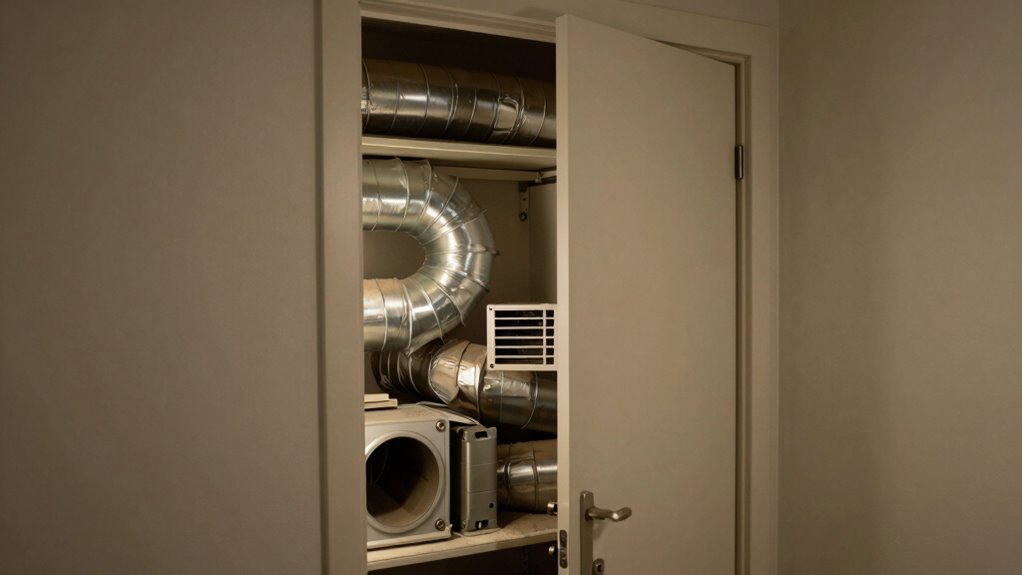
If your home’s air circulation feels off, you might be facing the air return problem. You notice that certain rooms seem stuffy or have uneven temperatures, and no matter how much you adjust your thermostat, things don’t improve. One common culprit behind these issues is a poorly functioning air return, often hidden behind closed doors or obstructed by furniture. When the air return isn’t working properly, your HVAC system struggles to maintain airflow efficiency, leading to discomfort and increased energy bills.
Poor air return function causes uneven temperatures, discomfort, and higher energy bills in your home.
The core issue often lies in duct design. Ductwork needs to be carefully designed to ensure that air can flow freely from every room back to the system’s return vents. If ducts are undersized, blocked, or improperly routed, air won’t circulate as it should. This creates a pressure imbalance, causing some rooms to have weak airflow and others to feel stale. When doors are kept closed, it further restricts the airflow, trapping warm or cool air inside rooms and preventing the HVAC from balancing the entire house. The result is uneven temperatures and increased strain on your system.
To address this, you need to evaluate your duct design. Check if your ducts are appropriately sized for your home’s square footage and the number of vents. If they’re too narrow or clogged with debris, airflow efficiency drops significantly. Sometimes, ducts are kinked or pinched behind walls or furniture, blocking the natural flow of air. Properly sealed and insulated ducts help prevent leaks and maintain consistent airflow, which is essential for an effective return path. Understanding duct design and its role in airflow can help you pinpoint issues more effectively. Additionally, incorporating proper ventilation strategies can further improve overall circulation. Ensuring that your home’s ventilation system is optimized can also prevent common issues related to airflow restriction.
Another key step is to pay attention to how doors are positioned. Keeping doors open to rooms that tend to trap air can improve circulation. Installing return vents in strategic locations, especially behind closed doors, can help balance the pressure and improve airflow. If your system lacks enough return vents, adding more can make a significant difference. Regular maintenance, like cleaning or replacing filters, also supports optimal airflow and prevents clogged ducts from contributing to problems. Recognizing the importance of airflow pathways and their unobstructed nature can help you maintain a balanced and efficient system. Remember, the goal is to create a smooth, unobstructed path for air to flow back to the HVAC system, ensuring each room gets proper ventilation and temperature regulation.
In the end, solving the air return problem often comes down to understanding your duct design and ensuring your airflow pathways are clear and well-planned. When airflow efficiency improves, your home feels more comfortable, and your HVAC system works more effectively, saving you money and frustration.

EZ-FLO 14 x 6 Inch (Duct Opening) Return Air Vent Cover for Wall or Ceiling, Solid Steel Return Air Grille, HVAC Vent Cover, White, 61628
WALL OR CEILING VENT: This rectangular return air grille is designed for a 14 in. x 6 in….
As an affiliate, we earn on qualifying purchases.
As an affiliate, we earn on qualifying purchases.
Frequently Asked Questions
Can Closed Doors Completely Block Air Return Flow?
Closed doors can considerably block air return flow, impacting ventilation efficiency. When doors are shut, they restrict airflow, causing air pressure differences that hinder proper air circulation. This imbalance can lead to poor indoor air quality and inefficient HVAC performance. To maintain ideal ventilation, consider keeping doors open or installing vents, ensuring seamless air return flow and better air pressure balance throughout your space.
How Do I Identify if My Air Return Is Blocked?
You can identify if your air return is blocked by noticing reduced air flow and poor ventilation efficiency. Check for weak or inconsistent airflow from vents, or if rooms feel stuffy and uncomfortable. Feel around the return vent for any obstructions or debris. If airflow seems restricted or uneven, it’s a sign your return might be blocked, which hampers proper air circulation and ventilation efficiency.
Are There Health Risks From Improper Air Return?
Could poor air return lead to health issues? Absolutely. Ventilation inefficiencies caused by blocked air returns can reduce airflow, trapping pollutants and allergens, which worsens indoor air quality concerns. This may result in headaches, allergies, or respiratory problems over time. Poor circulation also prevents fresh air from entering, amplifying health risks. Ensuring your air return isn’t blocked helps maintain proper airflow, keeping your indoor environment healthier and safer.
What Are Cost-Effective Solutions for Hidden Air Return Issues?
To fix hidden air return issues cost-effectively, start with regular air filter maintenance to guarantee proper airflow. Additionally, use duct sealing techniques to prevent leaks and improve efficiency. These solutions are affordable and straightforward, reducing energy costs and enhancing indoor air quality. Regularly inspecting and sealing your ducts, combined with consistent filter changes, keeps your HVAC system running smoothly and minimizes hidden air return problems.
How Often Should I Inspect My Air Return System?
You should inspect your air return system at least once a year to maintain ideal air quality and ventilation efficiency. Regular inspections help identify hidden issues like blockages or leaks early, preventing airflow problems that can compromise indoor air quality. If you notice dust buildup, strange odors, or uneven heating and cooling, consider inspecting sooner. Routine checks ensure your HVAC system runs efficiently, keeping your indoor environment healthy and comfortable.

AC Infinity AIRTAP T4 White, Register Booster Fan for 4” x 10” Register Holes, Improves Heating & Cooling Vents, Quiet 10-Speeds, Bluetooth App Control Data Alerts. ONLY FITS 4” x 10” Duct Openings
A register fan designed to boost and improve existing airflow from register holes in home HVAC systems.
As an affiliate, we earn on qualifying purchases.
As an affiliate, we earn on qualifying purchases.
Conclusion
Now that you understand the hidden struggles behind closed doors, imagine your home’s true potential when airflow flows freely. Don’t let the unseen obstacle of poor air return silently sap your comfort and efficiency. Like a whisper in the shadows, this problem can linger unnoticed—until it’s too late. Take action now, and open the door to better airflow, better air quality, and a more comfortable home. After all, isn’t it time your house breathes as freely as you do?
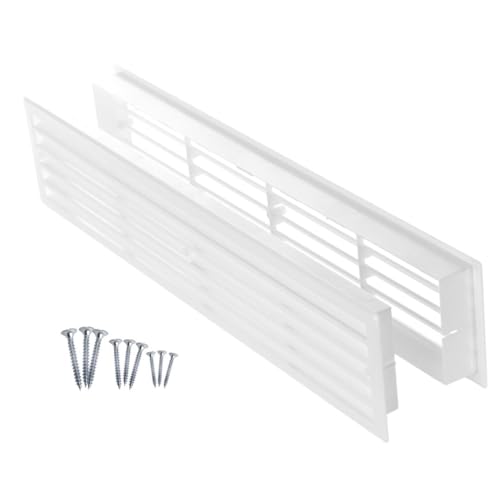
ABOUT VENT 18'' x 4'' Inch Door Vent Cover with Screws – White Interior Door Vent Covers – Two Sided Plastic Ventilation Grille – Door Vents for Interior Doors – Bathroom Air Vent Louvers for Door
17.7×3.6 inch Louvered Door Vent Grill designed specifically for doors and furniture pieces, providing efficient airflow circulation between…
As an affiliate, we earn on qualifying purchases.
As an affiliate, we earn on qualifying purchases.
EZ-FLO 14 x 6 Inch (Duct Opening) Return Air Vent Cover for Wall or Ceiling, Solid Steel Return Air Grille, HVAC Vent Cover, White, 61628
WALL OR CEILING VENT: This rectangular return air grille is designed for a 14 in. x 6 in….
As an affiliate, we earn on qualifying purchases.
As an affiliate, we earn on qualifying purchases.