HVAC filters play a vital role in improving indoor air quality by trapping dust, pollen, and pet dander. However, they can’t eliminate all airborne contaminants, particularly gases and odors. It’s crucial to replace filters regularly for optimal performance, as dirty filters can hinder airflow and reduce efficiency. Ventilation also complements filter effectiveness, ensuring cleaner air. If you want to uncover more details about types and maintenance, keep exploring your options.
Key Takeaways
- HVAC filters trap dust, pollen, pet dander, and airborne particles to enhance indoor air quality.
- They do not eliminate gases or odors, focusing primarily on trapping particles.
- Regular maintenance and timely filter changes are essential for optimal performance and energy efficiency.
- Different filter types have varying lifespans and effectiveness, requiring informed selection for specific needs.
- Proper ventilation complements filter performance and helps maintain overall air quality.
Understanding the Role of HVAC Filters

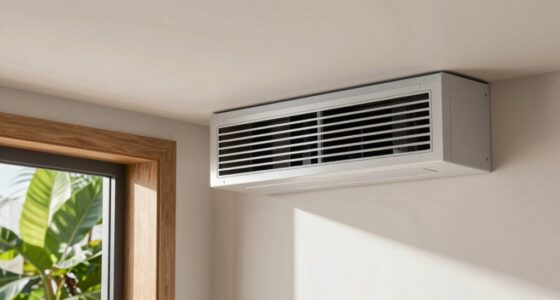
As you might already know, HVAC filters play a crucial role in maintaining indoor air quality and system efficiency. They trap dust, pollen, pet dander, and other airborne particles, preventing them from circulating in your home. This not only keeps your living space cleaner but also contributes to better air quality, which is essential for your health. When filters are clogged or dirty, your HVAC system has to work harder, leading to decreased energy efficiency. This can result in higher utility bills and unnecessary wear and tear on your system. By regularly replacing or cleaning your filters, you guarantee ideal airflow, improved air quality, and enhanced energy efficiency, ultimately creating a more comfortable and healthier home environment. Additionally, air purifiers can complement HVAC filters by providing an extra layer of filtration, ensuring that even the smallest pollutants are removed from your living space. Regular maintenance of HVAC systems, including deep-sky imaging practices, can further enhance performance and longevity. Furthermore, animated movies are a unique way to illustrate the importance of maintaining a clean environment, as they often depict themes of personal growth and responsibility. Color accuracy in air quality monitors can help ensure the air you breathe is clean and safe. Moreover, integrating smart home technology into your HVAC system can optimize filter performance and enhance overall comfort.
Types of HVAC Filters and Their Effectiveness
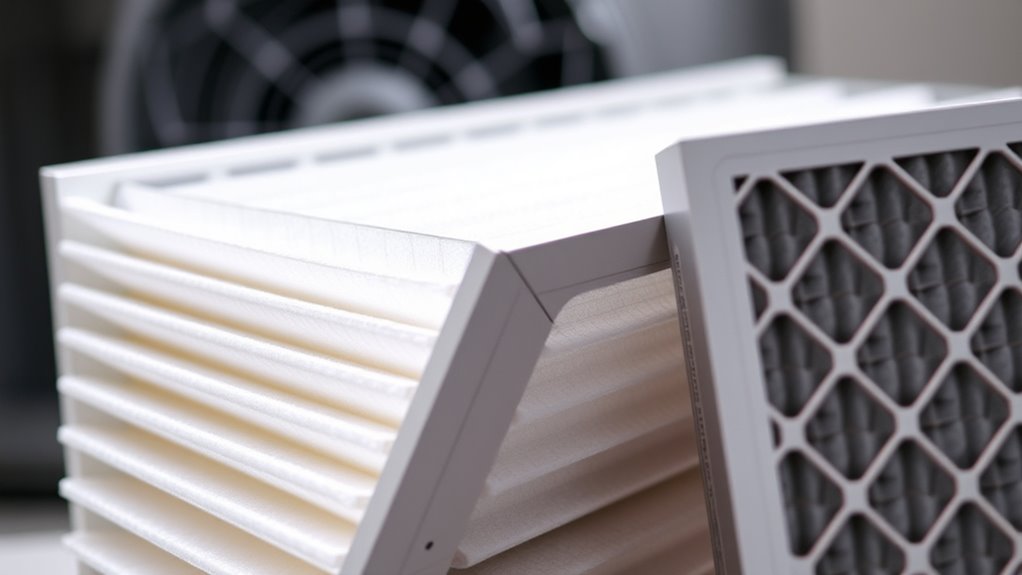
When it comes to HVAC filters, choosing the right type can substantially impact your home’s air quality and system performance. You’ll find several options, like HEPA filters, pleated filters, and electrostatic filters, each with different air filter ratings. HEPA filters excel at trapping tiny particles, while pleated filters strike a balance between efficiency and airflow. To guarantee maximum effectiveness, keep these filter installation tips in mind: always check the size, make sure it fits snugly, and follow the manufacturer’s instructions. Additionally, high-heat outdoor cooking requires proper ventilation, which can be supported by effective HVAC systems. Regularly replacing filters is vital too; a clogged filter can reduce airflow and strain your system. Moreover, investing in smart appliances can further optimize your HVAC system’s efficiency, as they often come with features that enhance energy savings. AI technologies can also be integrated into HVAC systems to improve efficiency and monitor air quality. Additionally, better air quality not only contributes to improved sleep but also enhances overall well-being. By understanding the types of filters available and following proper installation practices, you can greatly enhance your indoor environment.
Common Misconceptions About HVAC Filters

Many homeowners believe that all HVAC filters are created equal, but this misconception can lead to poor air quality and inefficient system performance. Not all filters capture allergens effectively or maintain ideal airflow, which can exacerbate allergy symptoms. Additionally, using a filter with high MERV ratings can sometimes lead to reduced airflow that may stress your HVAC system. It’s essential to regularly evaluate the effectiveness of your chosen filter to ensure it meets your home’s specific air quality needs. Necessary cookies are also important for maintaining website functionality and can be likened to how essential filters are for your HVAC system. In the same way, understanding the ethical implications of technology can also enhance overall safety and performance in various fields.
| Misconception | Reality |
|---|---|
| All filters provide the same air quality | Filters vary in effectiveness for allergy relief |
| Higher MERV means better filtration | Too high a MERV can restrict airflow |
| Changing filters infrequently is fine | Regular changes are essential for performance |
Understanding these common misconceptions helps you make informed choices, ensuring your home maintains good air quality and supports allergy relief. Don’t let myths compromise your comfort and health! Additionally, ensuring your home’s air quality is optimal can be as important as proper piercing care and hygiene for maintaining overall well-being.
The Impact of Regular Filter Maintenance

Regular maintenance of HVAC filters plays a significant role in ensuring ideal indoor air quality and system efficiency. By keeping your filters clean and in good condition, you can enhance your home environment and extend the lifespan of your HVAC system. Here’s how regular maintenance impacts you:
Regular HVAC filter maintenance enhances indoor air quality and system efficiency, promoting a healthier home environment.
- Improved Air Quality: Clean filters trap dust, pollen, and allergens, providing you with fresher, healthier air to breathe. Additionally, using high-efficiency filters can further enhance the air quality in your home. Regularly replacing filters can prevent airborne pathogens from circulating in your indoor environment. Furthermore, routine maintenance can also help reduce unwanted odors that may develop from stagnant air. Regular filter changes also ensure that your HVAC system can efficiently utilize smart energy management practices.
- Increased Efficiency: A well-maintained filter allows for better airflow, reducing strain on your system and lowering energy bills.
- Extended Filter Lifespan: Regular cleaning or replacement helps maximize the life of your filters, saving you money in the long run. Additionally, maintaining your HVAC system enhances its overall safety and efficiency, which is crucial during power outages when backup systems may be required.
With consistent care, you’ll enjoy a more comfortable home and a more efficient HVAC system.
When to Replace Your HVAC Filter

Knowing when to replace your HVAC filter is essential for maintaining ideal air quality and system performance. Generally, you should check your filter every month and replace it every 1-3 months, depending on the filter lifespan and your home environment. Factors like pets, allergies, and usage frequency can affect how often you need to change it. Regularly replacing your filter can also enhance your home’s air quality standards. Additionally, understanding the role of necessary cookies can help you ensure that your online searches for HVAC maintenance are efficient and effective.
Here’s a quick reference table to help you decide when to replace your HVAC filter:
| Filter Type | Lifespan | Frequency of Change |
|---|---|---|
| Fiberglass | 1-3 months | Monthly |
| Pleated | 3-6 months | Every 2-3 months |
| HEPA | 6-12 months | Every 6-12 months |
| Washable | 3-5 years | Every 3-6 months |
| Electrostatic | 3-5 years | Every 6-12 months |
Maintaining your filter guarantees clean air and efficient operation. Regular ventilation considerations are also important for overall system health.
Frequently Asked Questions
Can HVAC Filters Reduce Odors in the Home?
Yes, HVAC filters can help reduce odors in your home. They play a role in air purification by trapping airborne particles and allergens, which can contribute to unpleasant smells. However, they’re not designed specifically for odor removal, especially for strong or persistent odors. To enhance odor control, consider using filters with activated carbon, which can better absorb and neutralize smells, giving you fresher air throughout your living space.
Do HVAC Filters Help With Humidity Control?
HVAC filters can’t control humidity directly, but they do play a part in promoting pleasant air quality. When you keep your filters clean, you ensure they last longer, which helps your system run efficiently. This efficiency can indirectly support humidity levels by removing excess moisture from the air as it circulates. So, while filters won’t solve humidity issues on their own, they’re key players in maintaining a comfortable environment overall.
Are Washable Filters More Cost-Effective Than Disposable Ones?
Yes, reusable filters can be more cost-effective than disposable ones. By investing in a washable filter, you’ll save money over time since you won’t need to buy replacements regularly. Just clean and reuse it, and you’ll notice significant cost savings on your filter expenses. Plus, you’ll reduce waste, making it a more environmentally friendly choice. Consider your long-term savings and environmental impact when choosing between the two options.
Can HVAC Filters Improve Indoor Air Quality for Allergy Sufferers?
Absolutely, HVAC filters can elevate your indoor air quality, especially for allergy sufferers. Think of them as a gentle shield, capturing pesky allergens and improving your breathing space. Their allergen removal efficiency varies, so it’s essential to choose filters that boast high ratings. Plus, consider air purifier compatibility; when combined, they create a powerful duo, ensuring you breathe easier and enjoy a fresher, healthier home environment without the constant sneezes.
What Happens if I Don’T Use a Filter in My HVAC System?
If you don’t use a filter in your HVAC system, you’ll face reduced filtration efficiency, allowing dust, allergens, and debris to circulate freely in your home. This can lead to poor indoor air quality and potential health issues. Moreover, without a filter, your system may work harder, shortening its lifespan and increasing energy costs. Regularly changing or using a filter is essential for maintaining peak performance and a healthy living environment.
Conclusion
In the world of HVAC filters, clarity and confusion often coexist. While these filters trap dust and allergens, they can’t eliminate every airborne irritant. Picture a shield protecting you from some invaders, but not all. Regular maintenance acts as your trusty sidekick, enhancing the filter’s performance. Just as you wouldn’t wear worn-out shoes, you shouldn’t ignore filter replacements. In this balance of protection and limitations, staying informed empowers you to breathe easier and live healthier.