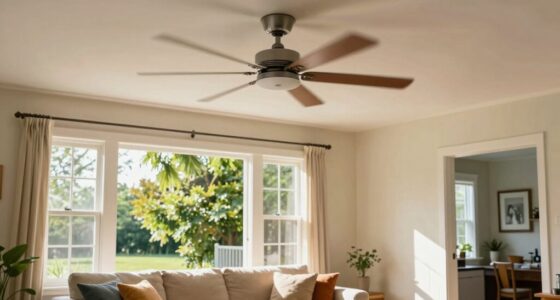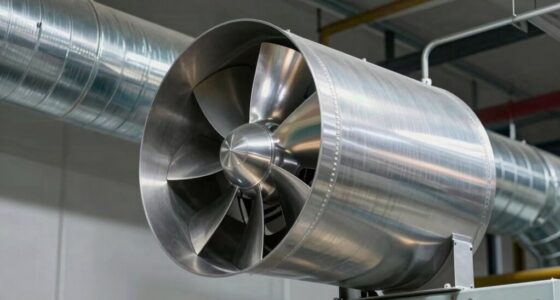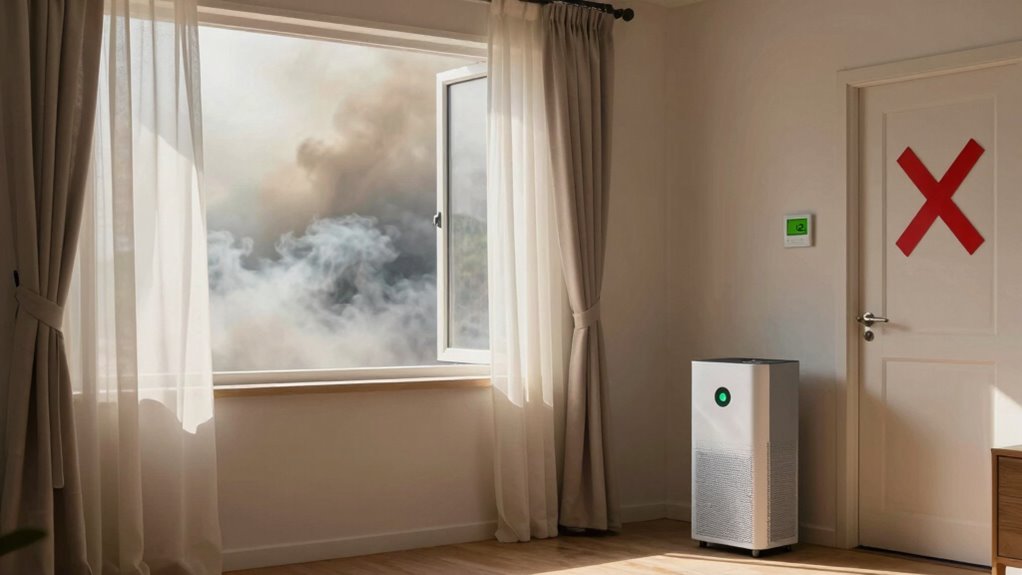
During wildfire smoke events, keep windows and doors closed to avoid letting harmful particles inside. Ventilate your home only when outdoor air quality is safe, typically after smoke clears. Use HEPA air purifiers to filter out pollutants effectively. Avoid cross ventilation that may bring in more smoke. Check air quality alerts regularly and maintain your filtration systems. By following these do’s and don’ts, you can protect your indoor air quality during smoky days, and there’s more to discover.

Get health and wellness essentials delivered free — and shop member deals
- Fast, free delivery on millions of items
- Access to Prime Big Deal Days deals on October 6–7
- Prime Video, Amazon Music and more included
Key Takeaways
- Keep windows and doors closed during high smoke levels to prevent indoor pollution.
- Use HEPA-equipped air purifiers to maintain air quality when outdoor conditions are poor.
- Seal cracks and openings to minimize smoke ingress before considering ventilation.
- Ventilate only during periods of good air quality, ideally after smoke has cleared.
- Monitor real-time air quality alerts to guide safe ventilation decisions.
Understanding Wildfire Smoke and Its Health Effects
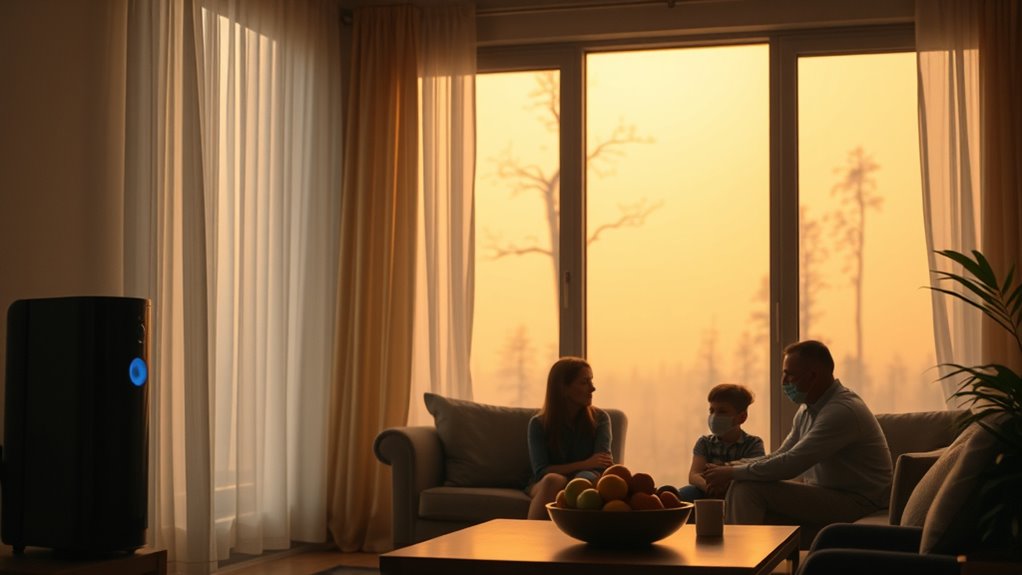
As wildfire smoke drifts into your area, it’s essential to understand its potential health effects. Wildfire exposure can profoundly impact your respiratory health, causing irritation in your airways and potentially leading to more severe conditions. You might experience symptoms like coughing, wheezing, or shortness of breath. Those with pre-existing conditions, such as asthma or chronic obstructive pulmonary disease, are particularly vulnerable. The fine particles in smoke can penetrate deep into your lungs, exacerbating existing health issues and increasing the risk of infections. It’s important to monitor air quality and take precautions when smoke levels rise. Higher contrast ratios are crucial in helping to assess visibility during such events, as poor air quality can obscure your surroundings. Protecting your respiratory health during these events can make a difference in how you feel and function. Additionally, engaging in aquatic exercise can help alleviate some respiratory discomfort by promoting better lung function. To further enhance your preparedness, consider investing in energy-efficient options that can improve indoor air quality during wildfire smoke events. Furthermore, having water purification systems can ensure that you have access to clean drinking water during emergencies. It’s advisable to also consider ventilation systems that can help filter out harmful particles and improve air circulation indoors. Stay informed and act accordingly.
Importance of Indoor Air Quality
When wildfire smoke infiltrates your home, maintaining good indoor air quality becomes essential for your health. Poor air quality can lead to respiratory issues and other health problems, so it’s vital to take action. Start by ensuring proper air circulation; this helps to disperse any harmful particles lingering indoors. Use air purifiers equipped with HEPA filters to capture smoke and allergens effectively. You might also consider adding indoor plants, as they can naturally improve air quality by filtering toxins. Just remember to monitor the moisture levels, as too much humidity can encourage mold growth. Additionally, using air purifiers can significantly enhance the quality of air you breathe, especially during wildfire season. By focusing on indoor air quality, you’re not only protecting your health but also creating a more comfortable living environment during wildfire season. Understanding filtration systems can help you choose the right equipment for maintaining a healthier home atmosphere. Implementing safer riding habits in everyday life can also help minimize exposure to smoke when commuting outdoors. Incorporating natural filtration systems in your home can further enhance air quality, especially when dealing with pollutants like smoke. Remember that good sleep hygiene is also crucial as poor air quality can disrupt your sleep patterns, impacting overall well-being.
When to Keep Windows and Doors Closed
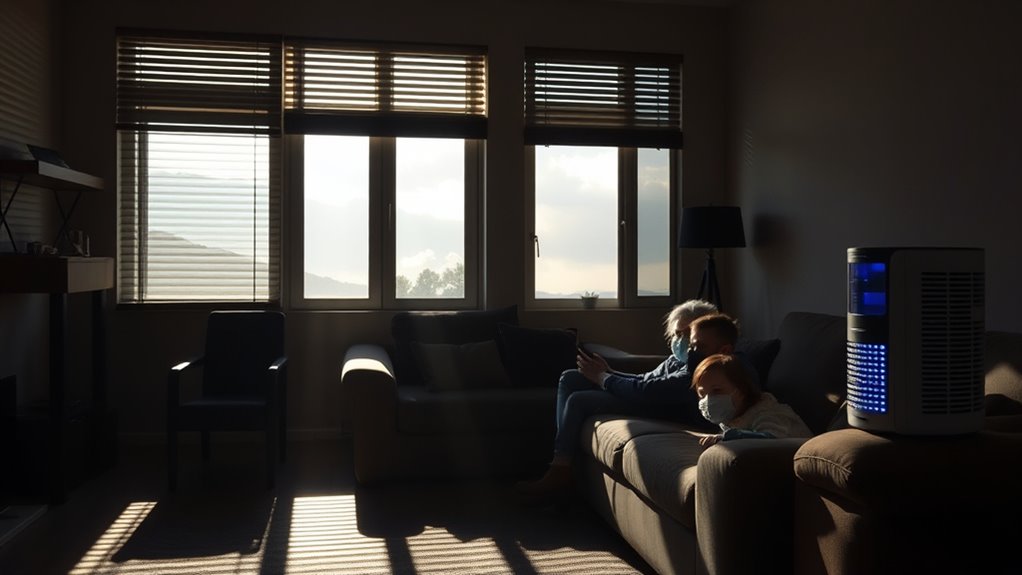
Maintaining good indoor air quality means knowing when to keep windows and doors closed, especially during wildfire smoke events. You should consider timing considerations and weather impacts to protect your health. Additionally, using innovative European cloud servers can help monitor air quality in real-time during such events. Proper ventilation strategies can significantly enhance indoor air quality and reduce the risks associated with smoke exposure. Moreover, understanding indoor air pollutants can help you make informed decisions about when to ventilate your home. Installing a whole-house water filtration system can also contribute to a healthier indoor environment by reducing additional contaminants in your water supply. Furthermore, utilizing proper ventilation techniques can help ensure that any remaining indoor pollutants are effectively removed.
| Scenario | Action |
|---|---|
| High smoke levels reported | Keep windows and doors closed |
| Calm weather, no smoke | Open for ventilation |
| Windy conditions, smoke nearby | Keep windows and doors closed |
| Clear air quality alerts | Open for fresh air |
Effective Air Filtration Systems
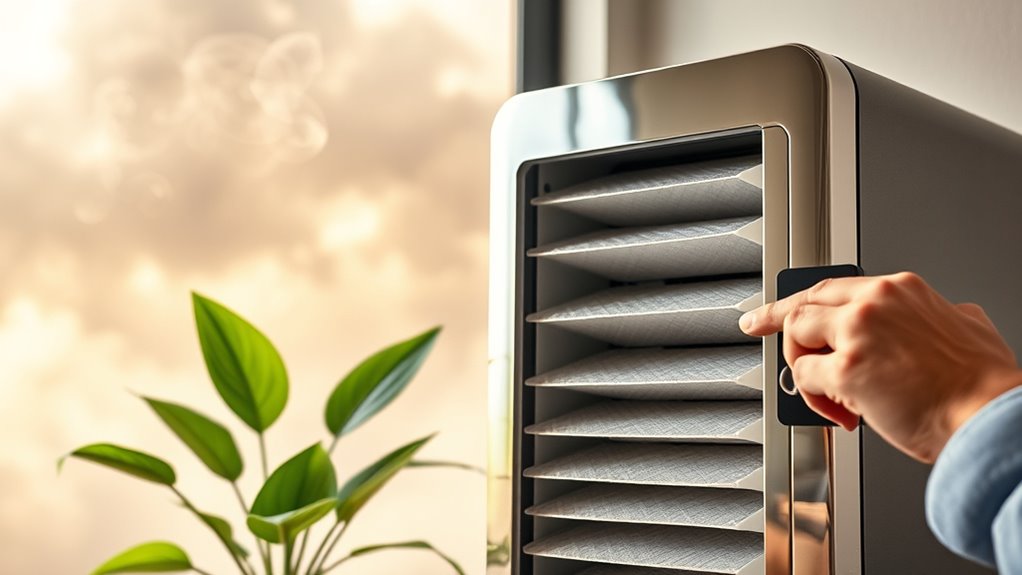
When wildfire smoke fills the air, having an effective air filtration system is essential for your indoor environment. HEPA filters can capture harmful particles, greatly improving your air quality. Plus, portable air purifiers offer flexibility, allowing you to breathe easier wherever you are. Additionally, selecting a system with high-quality filters can ensure optimal performance in removing smoke and pollutants. It is also important to consider trusted resources that can guide you in finding the best filtration solutions for your needs. Many experts recommend air purifiers with HEPA filters as they are particularly effective at trapping small particles associated with smoke. Furthermore, maintaining air quality standards is crucial during wildfire events to protect your health and well-being, as studies indicate noticeable improvements in pore size and overall skin texture with consistent use of effective filtration systems.
HEPA Filter Benefits
HEPA filters are essential for effectively managing indoor air quality during wildfire smoke events. They trap harmful particles, ensuring you breathe cleaner air. Here are four key benefits of using HEPA filters:
- High Efficiency: They capture at least 99.97% of particles as small as 0.3 microns, including smoke and allergens.
- Improved Health: Cleaner air helps reduce respiratory issues and allergies, keeping your family healthier.
- Odor Reduction: HEPA filters can help minimize unpleasant smoke odors in your home.
- Long-lasting Performance: With proper filter maintenance, HEPA filters can function effectively for years, providing consistent air quality. Additionally, effective air filtration systems are critical in mitigating the health impacts of air pollution during events like wildfires.
Portable Air Purifiers
How can you guarantee clean air in your home during wildfire smoke events? Portable air purifiers can be your best ally in this battle. These effective air filtration systems help remove harmful particles from the air, allowing you to breathe easier. When choosing a portable air purifier, look for one with a HEPA filter, as it captures even the smallest pollutants. Remember to check the filter replacement schedule; a clogged filter won’t be effective. Regular maintenance ensures your purifier operates at peak efficiency. Cleaning filters regularly is essential to maintain optimal air quality. Additionally, ensure that your purifier is properly sized for the space to maximize its effectiveness. Place purifiers in areas where you spend the most time, like bedrooms or living rooms, to maximize their benefits. By using portable air purifiers wisely, you can create a safer indoor environment during smoke events.
Strategies for Ventilating Your Home Safely
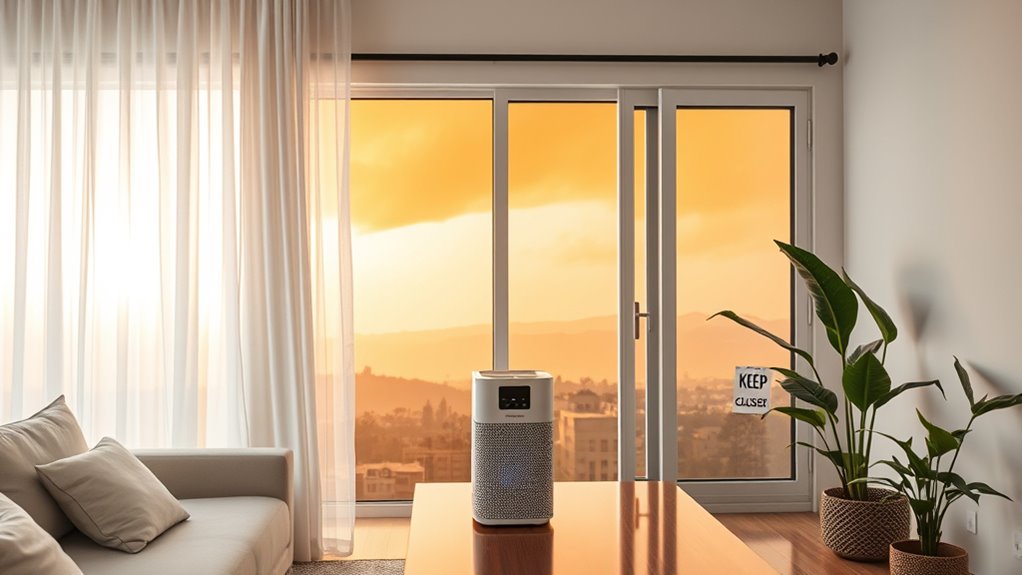
As wildfire smoke fills the air, it’s essential to make certain your home remains a safe haven. You can implement various ventilation techniques and air exchange methods while protecting yourself from harmful smoke. Here are four strategies to ventilate your home safely:
- Seal Cracks: Use weather stripping and caulking to seal windows and doors, preventing smoke from seeping in.
- Use Air Purifiers: Run high-efficiency particulate air (HEPA) purifiers to filter out smoke particles.
- Ventilate During Safe Times: Open windows and doors only when air quality improves, typically after the fire passes.
- Create Positive Pressure: Use exhaust fans to create positive pressure, pushing smoke out and keeping fresh air in.
Common Ventilation Mistakes to Avoid
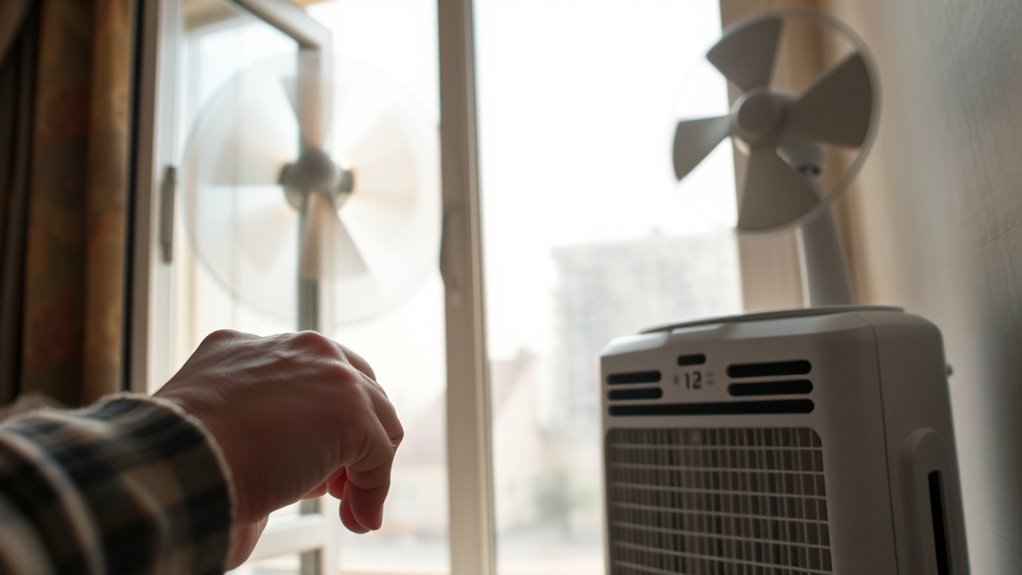
When you’re trying to ventilate your home during wildfire smoke, you might think opening windows and doors is a good idea. However, this can actually let more smoke inside, worsening air quality. Ignoring air quality alerts is another mistake that can put your health at risk, so it’s essential to stay informed.
Open Windows and Doors
Opening windows and doors during wildfire smoke events might seem like a natural way to let fresh air in, but it can actually make indoor air quality worse. Here are some common mistakes to avoid:
- Ignoring Cross Ventilation Risks: Opening multiple windows can create a pathway for smoke, leading to higher pollutant levels indoors.
- Neglecting Window Sealing Techniques: Ensure windows are properly sealed to minimize smoke infiltration when closed.
- Assuming All Fresh Air is Good: Fresh air might carry harmful particulates, not just clean oxygen.
- Failing to Use Air Purifiers: Instead of opening windows, rely on air purifiers to filter out smoke particles.
Ignoring Air Quality Alerts
Ignoring air quality alerts can lead to serious health risks during wildfire smoke events. When these alerts are issued, it’s vital to take them seriously. Ventilating your home with outdoor air during poor air quality can expose you to harmful pollutants. Instead, keep windows and doors closed to minimize smoke infiltration. If you need fresh air, use air purifiers with HEPA filters to maintain a healthier indoor environment. Remember, your health should always come first. Stay informed about air quality alerts and adjust your ventilation strategy accordingly. By paying attention to these warnings, you can protect yourself and your family from the serious consequences of wildfire smoke exposure. Don’t overlook these alerts; they’re there to keep you safe.
Utilizing Air Purifiers and Other Devices
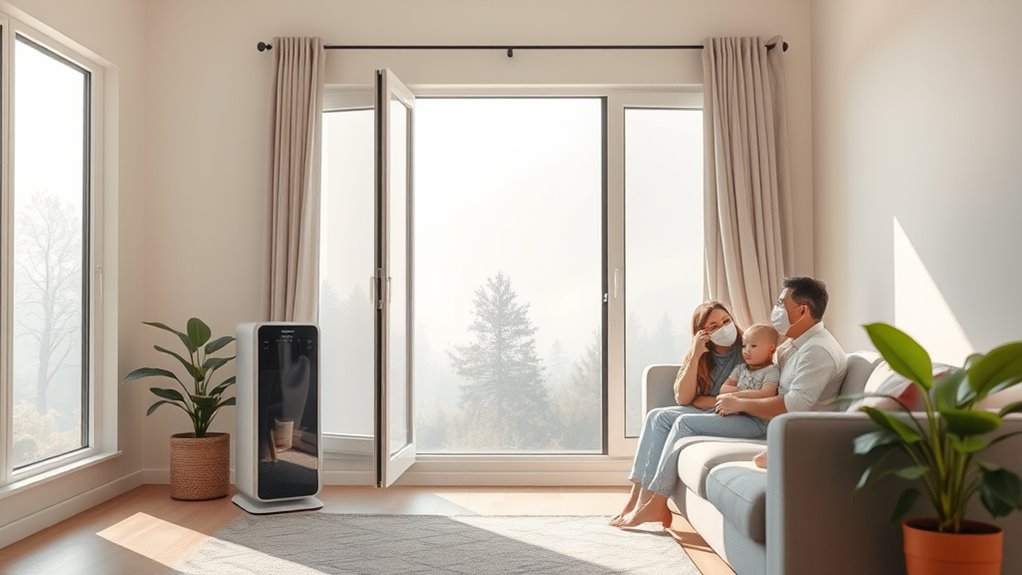
Although wildfire smoke can infiltrate your home, utilizing air purifiers and other devices can considerably improve indoor air quality. Here are some tips to get the most out of your equipment:
- Choose the Right Air Purifier: Look for models with HEPA filters to effectively capture smoke particles.
- Regular Air Purifier Maintenance: Change filters as recommended to guarantee peak performance.
- Monitor Device Noise Levels: Select purifiers that operate quietly, especially if you need to use them overnight.
- Utilize Fans Strategically: Use fans to circulate purified air throughout your home, enhancing overall effectiveness.
Monitoring Air Quality Levels
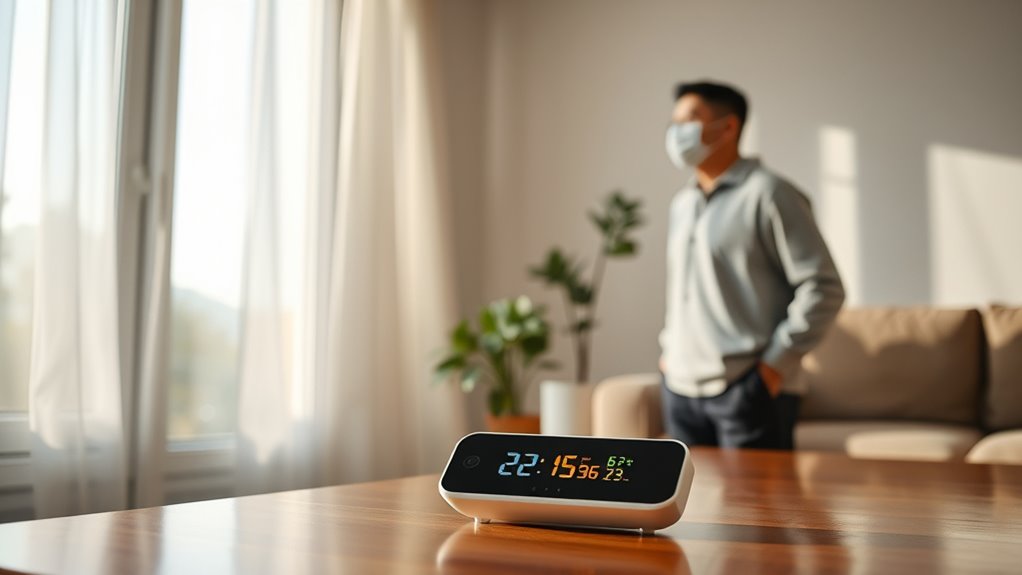
After setting up air purifiers and other devices, it’s important to keep an eye on your indoor air quality levels. You can achieve this by using a real-time sensor that monitors pollutants and particulate matter. These sensors provide immediate feedback, allowing you to adjust your ventilation strategies as needed. Check the air quality index (AQI) regularly to understand the safety of your indoor environment. If the AQI indicates unhealthy levels, consider running your air purifiers more frequently or sealing off windows and doors. Staying proactive helps guarantee that your home remains a safe haven during wildfire smoke events. By monitoring these levels, you can better protect your health and maintain good air quality.
Frequently Asked Questions
Can I Use a Fan to Ventilate During Wildfire Smoke?
You shouldn’t use a fan to ventilate during wildfire smoke. While fans can help with indoor airflow, they can also draw in contaminated air from outside, worsening your indoor air quality. Instead, try to keep windows and doors shut to prevent smoke infiltration. If it gets too stuffy, consider using an air purifier with a HEPA filter instead. Your health is the priority, so it’s best to avoid using a fan in this situation.
Is It Safe to Exercise Indoors During Wildfire Smoke Events?
It’s best to avoid exercising indoors during wildfire smoke events. Smoke can infiltrate your home, affecting indoor air quality and compromising your respiratory health. Even with air filtration systems running, the particulate matter from smoke can still linger. If you feel the need to stay active, consider light stretching or yoga, but limit any vigorous activities. Prioritize your health by staying informed about air quality and taking precautions to protect yourself.
How Long Should I Keep Windows Closed After Smoke Dissipates?
You should keep your windows closed for at least 24 hours after the smoke dissipates, unless you want your home to turn into a smoky museum. Sealing your windows properly helps block any lingering particles. While you’re at it, crank up those air purifiers; they’re your best friends in clearing out the air. It’s a small price to pay for fresh air after a wildfire, don’t you think?
What Are Some Signs My Indoor Air Quality Is Poor?
If you notice persistent musty odors, it’s a sign your indoor air quality might be poor. You might experience increased allergy symptoms, especially if you’re sensitive to air fresheners. Mold growth can also indicate humidity issues, leading to health problems. Other signs include difficulty breathing, fatigue, or headaches. Keep an eye on these indicators, and consider taking action to improve your indoor air quality for a healthier living environment.
Are There Specific Plants That Can Help Improve Indoor Air Quality?
Imagine walking into a room filled with fresh, clean air. You can achieve that with indoor plants like spider plants, peace lilies, and snake plants. These air-purifying gems not only beautify your space but also filter out toxins, improving your indoor air quality. Just picture the vibrant green leaves silently working to cleanse your air, making your home a healthier haven. Incorporating these plants might be the easiest step you take for a fresher environment!
Conclusion
When it comes to maneuvering wildfire smoke, a little caution goes a long way. By being mindful of your indoor air quality and knowing when to keep things sealed tight, you’re not just protecting your lungs—you’re creating a safe haven for yourself and your loved ones. Embrace the power of effective filtration and smart ventilation strategies, and you’ll transform your space into a sanctuary, shielding you from the smoke’s unwelcome presence. Stay safe and breathe easy!
Fall Picks
fall essentials
As an affiliate, we earn on qualifying purchases.