
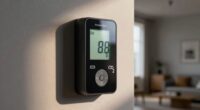
Understanding your outdoor CO₂ baseline means knowing the typical environmental level, usually around 400 ppm, which varies with weather, vegetation, and human activities. This baseline helps you interpret indoor CO₂ levels accurately and gauge ventilation effectiveness. If outdoor levels are higher, indoor concentrations might also rise even with good airflow. Recognizing these patterns guarantees better air quality management—continue exploring to learn how these insights impact your indoor environment and health.

Get health and wellness essentials delivered free with Prime
- Fast, free delivery on millions of items
- Prime Video, Amazon Music and more included
- Member-only deals all year
Key Takeaways
- The outdoor CO₂ baseline is the typical ambient level, usually around 400 ppm, serving as a reference for indoor air quality.
- Knowing the baseline helps determine if indoor CO₂ levels are elevated due to poor ventilation or external pollution.
- Fluctuations in outdoor CO₂ affect indoor readings; higher outdoor levels can raise indoor CO₂ even with proper airflow.
- Monitoring outdoor CO₂ provides context for indoor measurements, indicating whether changes are due to indoor activities or external factors.
- Understanding the baseline ensures accurate interpretation of CO₂ readings, preventing false alarms and supporting healthy indoor environments.

Have you ever wondered what the natural level of carbon dioxide (CO₂) is outdoors? Understanding this baseline is vital because it provides context for interpreting your CO₂ readings indoors. Outdoor CO₂ levels fluctuate due to various factors, including weather, vegetation, and human activity. Typically, in a healthy, rural environment, outdoor CO₂ hovers around 400 parts per million (ppm). This number isn’t fixed; it can shift slightly depending on the time of day, season, and local emissions. For example, during rush hours or in urban areas, levels might be a bit higher due to increased vehicle emissions and industrial activity. Conversely, in remote, forested regions, levels tend to stay closer to the natural baseline.
Outdoor CO₂ typically hovers around 400 ppm, but can vary with weather, vegetation, and human activity.
Knowing the outdoor baseline helps you determine whether indoor air quality is improving or deteriorating. When you measure CO₂ indoors, you’re fundamentally comparing your readings against this natural benchmark. Elevated indoor levels—say, 800 ppm or higher—often indicate poor ventilation or overcrowding. Since outdoor CO₂ is the starting point, any increase indoors suggests that your space isn’t exchanging air efficiently. This is especially important in environments where people gather or work for extended periods, as high CO₂ concentrations can lead to drowsiness, decreased concentration, and even health issues over time.
Environmental factors also influence outdoor CO₂ levels, which in turn impact your understanding of indoor readings. For example, during summer, increased photosynthesis by plants can slightly reduce outdoor CO₂, while during winter, when vegetation is sparse, levels might rise. Weather conditions like wind and temperature inversions can also trap pollutants and affect CO₂ concentrations. Knowing these patterns helps you interpret your measurements more accurately. If you notice outdoor levels are unusually high, it’s normal for indoor levels to be elevated as well, even if your ventilation system is functioning correctly. Additionally, awareness of air quality fluctuations can help you better anticipate changes in your indoor environment.
Furthermore, understanding the baseline encourages you to consider proper ventilation practices. If your indoor CO₂ consistently exceeds outdoor levels markedly, it’s a sign you need to improve airflow—opening windows, adding fans, or upgrading your HVAC system. Recognizing what outdoor CO₂ should be also helps you avoid unnecessary alarm; small variations within the natural range are normal, but sustained high readings suggest a problem. By keeping this baseline in mind, you can better assess your indoor air quality, respond appropriately, and create a healthier environment for yourself and others.
Frequently Asked Questions
How Often Should I Update My Outdoor Co₂ Baseline?
You should update your outdoor CO₂ baseline at least every few months, especially if weather, seasons, or nearby activities change substantially. Regular updates help guarantee your indoor air quality readings stay accurate. Keep an eye on long-term trends, and if you notice consistent shifts in outdoor CO₂ levels, update the baseline promptly. This way, you maintain reliable measurements and can better assess your indoor environment’s air quality.
Can Weather Affect Outdoor Co₂ Baseline Readings?
Weather definitely affects outdoor CO₂ baseline readings. For example, studies show that wind speed can change CO₂ levels by up to 30%, dispersing or concentrating gases. When it’s windy, CO₂ disperses more quickly, lowering readings; calm days can cause levels to rise. Humidity and temperature also play roles, influencing plant activity and gas exchange. So, always consider weather conditions when analyzing your outdoor CO₂ data.
What Equipment Is Best for Measuring Outdoor Co₂?
You should use a portable non-dispersive infrared (NDIR) CO₂ sensor for measuring outdoor CO₂. These devices are accurate, reliable, and easy to operate in various environments. Look for models with real-time data logging and weather resistance, especially if you’ll be outdoors for extended periods. Brands like Senseair, Vaisala, and Aeroqual offer excellent options. Proper calibration guarantees precise readings, so choose equipment that allows easy calibration and maintenance.
How Does Outdoor Co₂ Vary Seasonally?
You’ll notice outdoor CO₂ levels fluctuate with the seasons. During winter, levels tend to rise due to reduced plant activity and increased heating emissions. In summer, CO₂ usually drops as plants absorb more CO₂ through photosynthesis. Weather patterns, temperature, and human activities also influence these changes. By tracking these seasonal variations, you can better interpret your outdoor CO₂ readings and understand the broader environmental impacts affecting your area.
Is Outdoor Co₂ Baseline Different in Urban vs. Rural Areas?
Think of outdoor CO₂ baseline like the steady tide beneath shifting waves. In urban areas, the baseline is higher due to dense traffic, buildings, and pollution, creating a persistent CO₂ presence. Rural spots, with fewer sources, have a lower baseline, like calm waters untouched by heavy traffic. Recognizing this difference helps you interpret your readings more accurately, understanding whether fluctuations are local or part of broader environmental patterns.
Conclusion
Think of the outdoor CO₂ baseline as your personal North Star, guiding you through the fog of inaccurate readings. Just like sailors relied on celestial navigation, knowing this baseline helps you interpret indoor air quality with confidence. Without it, you’re sailing blind in a sea of uncertainties. Keep the baseline in mind, and you’ll always stay on course toward healthier, more informed air decisions—because understanding the environment around you is the key to truly clear indoor air.
Halloween Picks
halloween
As an affiliate, we earn on qualifying purchases.