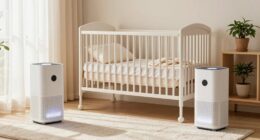
Volatile Organic Compounds (VOCs) are carbon-containing chemicals found in many household products that can evaporate at room temperature, leading to potential health risks. You might not always notice their presence by smell, but they can cause headaches, dizziness, and long-term health issues. Common sources include paints, cleaning supplies, and furnishings. To keep your indoor air healthy, it’s essential to adopt effective strategies. Discovering more about VOCs can help you improve your home’s air quality.
Key Takeaways
- VOCs are carbon-containing chemicals that can evaporate at room temperature, often without a detectable odor.
- Common sources of VOCs include household products like paints, cleaning supplies, and furniture.
- VOCs can contribute to indoor air pollution and health issues, even in the absence of noticeable smells.
- Detection tools like air quality monitors and electronic noses can identify VOCs without relying on odor.
- Prolonged exposure to VOCs may lead to serious health effects, emphasizing the importance of air quality management.
What Are Volatile Organic Compounds (VOCs)?

Have you ever wondered what makes certain indoor air smells so strong? Those odors often come from volatile organic compounds, or VOCs. VOCs are carbon-containing chemicals that easily evaporate at room temperature, resulting in various odors. They’re released during everyday activities, like cooking or using cleaning products. These compounds undergo chemical reactions, which can produce harmful byproducts that affect air quality. The environmental impact of VOCs can be significant, contributing to smog formation and health issues. Trusted businesses and services can help you find solutions for reducing VOC exposure. Additionally, just as Phil Lesh & Friends continues to attract large audiences, improving indoor air quality can significantly elevate your overall comfort at home. Innovative European Cloud Servers can also play a role in reducing energy consumption and promoting sustainability in technology. Reducing VOC exposure is essential for maintaining a healthy indoor environment. By being mindful of the products you use, you can minimize these compounds and help improve both your indoor air quality and the surrounding environment. Furthermore, better indoor air should be achievable through simple adjustments in your daily habits.
Common Sources of VOCs in Our Homes

Many common household items can release VOCs, often without you even realizing it. Products like paint, varnish, cleaning supplies, and air fresheners are significant culprits. Even some indoor plants, while generally beneficial, can emit low levels of VOCs. You might not think about it, but your furniture, especially if it’s new, can also contribute to indoor air pollution. Additionally, incorporating smart home gym equipment into your space can enhance not only your fitness routine but also your overall indoor air quality. Using power tools that are designed for low emissions can further minimize your exposure to harmful VOCs. To combat these emissions, consider using air purifiers equipped with activated carbon filters, which can help trap VOCs and improve air quality. Regularly ventilating your home can further reduce VOC levels, allowing fresh air to circulate. Being mindful of these sources can help create a healthier living environment for you and your family. Furthermore, understanding the importance of filtration systems can help you select the right devices to effectively reduce indoor pollutants. Additionally, understanding the MERV vs HEPA ratings of air filters can help you choose the most effective options for reducing VOCs in your home. To improve your writing clarity, consider detecting passive voice, which can enhance the overall effectiveness of your communication.
Health Effects of VOC Exposure

When you’re exposed to VOCs, you might experience immediate health issues like headaches or dizziness. Long-term exposure can lead to more serious problems, especially for vulnerable populations like children and the elderly. It’s essential to understand these risks to protect yourself and your loved ones. Additionally, predictive analytics can help identify potential health risks associated with VOC exposure.
Short-term Health Risks
Although you might not notice it at first, exposure to volatile organic compounds (VOCs) can lead to a range of short-term health risks. These risks often stem from indoor pollution, where VOCs are commonly found in household products like paints and cleaners. You may experience headaches, dizziness, or respiratory issues after inhaling these chemicals. If you have chemical sensitivities, you might find your symptoms more pronounced, leading to fatigue or skin irritations. Even short-term exposure can affect your overall well-being, prompting you to reconsider the products you use and the ventilation in your home. Being aware of these risks helps you take proactive steps to minimize your exposure to harmful VOCs and improve your indoor air quality. Additionally, recognizing the health effects of VOC exposure can empower you to make informed choices about the products you bring into your living space. For instance, many skincare devices utilize technology that aims to enhance skin health without harmful chemicals. Ensuring proper dental hygiene for your pets, such as providing chewable snacks, can also improve your indoor environment by reducing odors linked to poor oral health.
Long-term Exposure Effects
Short-term exposure to VOCs can leave you feeling unwell, but the long-term effects can pose even greater risks to your health. Prolonged exposure to these chemicals in indoor air can lead to serious health issues, including respiratory problems, liver damage, and even cancer. You might not notice immediate symptoms, but over time, the cumulative effects of chemical exposure can take a significant toll on your well-being. Chronic headaches, fatigue, and mood disturbances are just a few potential consequences. It’s essential to be mindful of your indoor environment and take steps to reduce VOC levels. Regularly ventilating your space and using low-VOC products can help protect you from the harmful effects of these volatile organic compounds.
Vulnerable Populations Impact
Certain groups are particularly at risk from the health effects of VOC exposure, making it essential to understand how these chemicals can impact them. Vulnerable populations, including children, the elderly, and those with pre-existing health conditions, face increased exposure risks due to their sensitivity to pollutants. For instance, children’s developing lungs and immune systems can react adversely to VOCs, leading to respiratory issues and developmental concerns. Additionally, high-pressure sales tactics can exacerbate the anxiety of families seeking solutions for VOC-related health issues. The elderly may experience exacerbated symptoms from conditions like asthma or heart disease when exposed. Additionally, individuals with compromised immune systems might struggle more with the toxic effects of these chemicals. Recognizing these vulnerabilities helps inform better protective measures and reduces overall health risks associated with VOC exposure. Furthermore, sound therapy has been shown to alleviate anxiety and stress, which can be beneficial for those affected by VOC-related health issues.
The Role of VOCs in Indoor Air Quality

How do volatile organic compounds (VOCs) influence the air you breathe indoors? These compounds can substantially impact indoor air quality, often originating from VOC emission sources like paints, cleaning products, and furniture. When you use these items, VOCs can accumulate, leading to potential health effects. To combat this, indoor air purification becomes essential. Effective air purifiers can help reduce VOC levels, improving the air you breathe. Creating a sanctuary of pure air is crucial for maintaining optimal health. Proper ventilation is also vital; opening windows and using exhaust fans can lower VOC concentrations. Additionally, understanding advertisement cookies can help you make informed choices about the products you bring into your home. Curiosity fosters social connections and can lead to discovering safer alternatives to conventional products that contribute to VOC emissions. Electric dirt bikes are another example of how sustainable choices can benefit both the environment and your living space. By being mindful of the products you choose and ensuring adequate airflow, you can create a healthier indoor environment. Prioritizing air quality not only benefits your well-being but also enhances your overall comfort at home.
Identifying VOCs: Odors and Other Indicators

When you’re trying to identify VOCs in your home, odors can be a significant clue, but there are other indicators too. You might not always smell them, so being aware of common sources and potential health impacts is vital. Let’s explore how you can spot these harmful compounds even when they’re not immediately detectable by your nose. Additionally, some VOCs can be found in everyday household products, such as cleaning supplies and paints, which can contribute to indoor air pollution. Many haute couture items also utilize various chemicals in their production, leading to potential VOC emissions.
Common VOC Sources
While you might not always notice them, volatile organic compounds (VOCs) can often be identified by their distinct odors and other telltale signs. Common sources include household products like paints, varnishes, and cleaning agents. When you open a new bottle of cleaner or paint, you might catch a whiff of that chemical scent. Building materials, such as carpets and furniture, can also release VOCs through chemical reactions over time. Even your vehicle’s exhaust can contribute to indoor VOC levels. To combat these compounds, consider using air purification systems designed to filter out VOCs, helping to improve your indoor air quality. Staying aware of these sources can help minimize your exposure to harmful substances.
Detecting Without Smell
Ever wondered how to detect volatile organic compounds (VOCs) without relying solely on your sense of smell? There are various methods to assess air quality and identify VOCs. For instance, using air quality monitors can give you real-time data on VOC levels, while some specific sensors target individual compounds.
Here’s a quick comparison of detection methods:
| Method | Description |
|---|---|
| Air Quality Monitor | Measures overall VOC concentration |
| Gas Chromatography | Identifies specific VOC compounds |
| Photoionization Detectors | Detects low levels of VOCs |
| Electronic Nose | Mimics human odor detection |
Health Impact Awareness
Understanding how to detect volatile organic compounds (VOCs) is essential not just for air quality monitoring, but also for recognizing potential health risks. Many people associate VOCs with strong odors, but some are odorless, making awareness even more critical. You should be vigilant about indicators of indoor air pollution, such as headaches, dizziness, or skin irritation, which can signal VOC exposure. Regularly check your living space for sources like paints, cleaners, and furniture, as these can contribute to VOC health risks. Ventilating your home and using air purifiers can help mitigate these risks. By staying informed and proactive, you can create a healthier indoor environment and protect your well-being from the hidden dangers of VOCs.
Strategies to Reduce VOC Exposure

As you become more aware of the potential dangers of volatile organic compounds (VOCs), implementing effective strategies to reduce your exposure becomes essential. Start by using air purifiers equipped with HEPA filters to help capture VOCs and improve indoor air quality. Make sure to choose models that specifically target VOCs for maximum effectiveness. Next, focus on sealing leaks in your home, such as around windows and doors, to prevent outdoor air infiltration that may contain harmful VOCs. Additionally, ensure proper ventilation when using products that emit VOCs, like paints or cleaning supplies. By taking these proactive steps, you can considerably reduce your exposure and create a healthier living environment for yourself and your family.
Alternatives to High-VOC Products

Finding alternatives to high-VOC products is a proactive way to enhance your indoor air quality. By opting for natural alternatives and eco-friendly options, you can create a healthier living environment. Here are some great swaps to contemplate:
- Low-VOC Paints: Choose paints labeled as low-VOC or zero-VOC to refresh your space without harmful emissions.
- Natural Cleaning Products: Use vinegar, baking soda, or essential oils instead of conventional cleaners that often contain VOCs.
- Sustainable Furniture: Look for furniture made from reclaimed wood or certified sustainable materials to minimize off-gassing.
The Importance of Ventilation in Reducing VOCs

While you might not think about it often, proper ventilation plays a essential role in reducing VOC levels in your home. By ensuring good air circulation, you can greatly decrease the buildup of harmful compounds. Opening windows and using exhaust fans helps create indoor airflow, allowing fresh air to replace stale air that may contain VOCs. This exchange is critical, especially in areas where pollutants are prevalent, like kitchens and bathrooms. Regularly changing air filters and maintaining HVAC systems also contribute to effective ventilation. Remember, better airflow not only improves air quality but can enhance your overall well-being. So, take steps to boost ventilation in your space and breathe easier knowing you’re minimizing VOC exposure.
Frequently Asked Questions
Can VOCS Be Detected Without a Noticeable Smell?
Yes, VOCs can be detected without a noticeable smell. Sensing technology has advanced considerably, allowing you to identify these compounds even when they’re odorless. Devices designed for odorless detection can measure the concentration of VOCs in the air, ensuring you’re aware of any potential hazards. By using these technologies, you can effectively monitor indoor air quality and take necessary precautions, even if you can’t smell anything unusual. Stay informed and safe!
How Long Do VOCS Remain in Indoor Air?
VOCs can linger in indoor air for hours to days, depending on their sources and your ventilation. Imagine breathing in those invisible compounds from paint or cleaning products without even realizing it. To combat this, you can use air purification methods like HEPA filters or activated carbon, which help reduce VOC levels. Staying proactive about indoor air quality can make a significant difference in your environment, keeping you healthier and more comfortable.
Are All VOCS Harmful to Health?
Not all VOCs are harmful to health, but many can be, especially with prolonged exposure. Common VOC sources include paints, cleaning products, and fuels. If you work in an environment with high levels of VOCs, like painting or manufacturing, you might face occupational exposure risks. It’s important to be aware of the specific VOCs in your surroundings and take measures to reduce exposure, as some can lead to serious health issues over time.
Do Plants Help Reduce VOC Levels Indoors?
Yes, plants can help reduce VOC levels indoors. They absorb harmful chemicals through their leaves and roots, acting as a natural filtration system for your living space. By incorporating a few houseplants, you’re not just enhancing your decor but also improving your indoor air quality. Studies show that certain plants, like spider plants and peace lilies, are particularly effective at absorbing VOCs, making your environment healthier and more pleasant to breathe.
Can VOC Exposure Affect Pets?
Yes, VOC exposure can affect your pets. In fact, studies show that pets can be more sensitive to indoor air pollutants than humans. High levels of VOCs may lead to respiratory issues or skin irritations, impacting your pet’s health. If you notice changes in their behavior or persistent pet odor, it might be a sign of poor air quality. Keeping your home well-ventilated and using pet-safe products can help maintain a healthier environment for them.
Conclusion
In conclusion, being aware of volatile organic compounds (VOCs) can greatly improve your home’s air quality and your health. Did you know that indoor air can be up to five times more polluted than outdoor air? By taking simple steps to reduce VOC exposure, like choosing low-VOC products and ensuring proper ventilation, you’re not just enhancing your living space; you’re also protecting your family’s well-being. Don’t underestimate the power of clean air—it truly makes a difference!