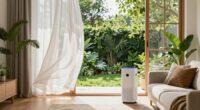
Cracking open a window doesn’t always clear up stuffy air because outdoor conditions might be just as polluted or stagnant as indoors. If outdoor air is filled with dust, pollen, or smog, it can bring those pollutants inside, making the air worse instead of better. In addition, outdoor air can be humid or allergen-laden, which doesn’t improve indoor comfort. To truly improve air quality, you need to take into account external factors and other ventilation methods—there’s more to explore if you keep going.
Key Takeaways
- External air may be polluted or stagnant, reducing the benefits of opening windows.
- Outdoor allergens, dust, or humidity can enter, negating the feeling of fresh air.
- Indoor air can remain stale if outdoor conditions are poor or outdoor air exchange is minimal.
- Cross-ventilation relies on outdoor air movement, which may be ineffective in still or polluted air.
- Passive window opening is less effective than mechanical ventilation and air purification methods.
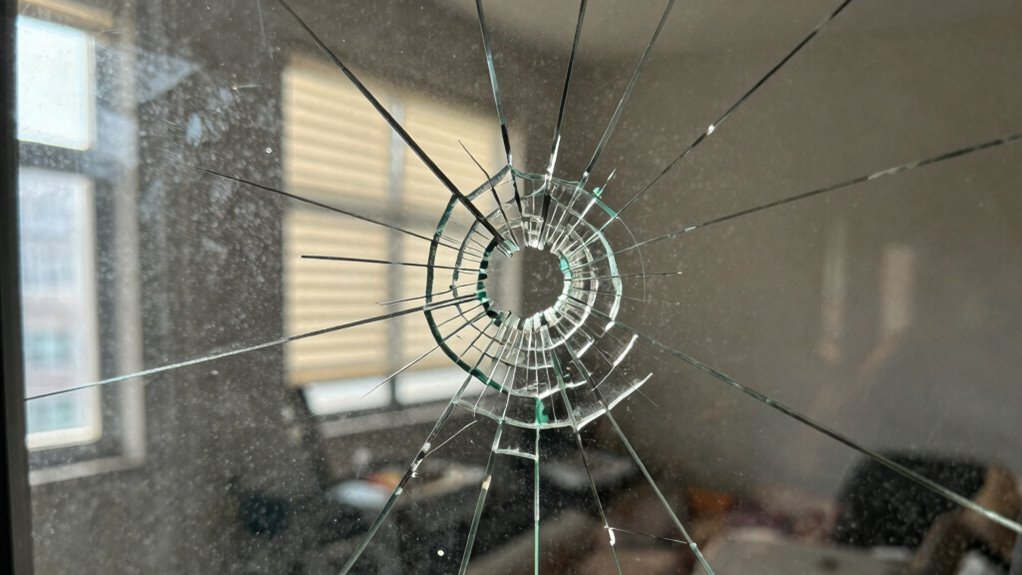
Have you ever cracked a window, hoping fresh air would quickly clear out the stuffiness in your room? It’s a common instinct—flood the space with outside air, and suddenly, the air quality should improve. But sometimes, that doesn’t happen. Just opening a window isn’t always enough to fix poor air quality. In fact, if the air outside is polluted or stagnant, you could be bringing in more contaminants than you’re removing.
Opening a window isn’t always enough; outdoor air quality matters more than you might think.
The effectiveness of window cracking depends heavily on your environment. If you live in an area with high pollution levels, opening a window might introduce dust, pollen, or smog. Even in cleaner environments, outdoor air can be humid or laden with allergens. When you open the window, you’re not necessarily improving air quality—in some cases, you’re just exchanging stale indoor air for equally poor outdoor air. This is especially true if your home isn’t well-ventilated or if the outside air isn’t moving much. The result? You might feel the air is fresher momentarily, but the overall air quality remains compromised.
Ventilation methods go beyond simply cracking a window. Mechanical ventilation systems, like exhaust fans or air purifiers, actively improve indoor air quality. Exhaust fans in kitchens and bathrooms remove moisture and odors, preventing stuffiness and mold growth. Air purifiers with HEPA filters trap airborne particles such as dust, pollen, and pet dander, making the air healthier to breathe. These methods work continuously and more effectively than just opening a window for a few minutes. They also help control humidity levels, which is vital because high humidity encourages mold and bacteria growth, both of which worsen air quality. Proper ventilation is essential for maintaining a healthy indoor environment and preventing the buildup of indoor pollutants. Additionally, understanding indoor air quality and how it’s affected by various factors can help you implement more effective solutions. Improving ventilation can also help manage indoor humidity levels, which is crucial for a healthier environment. Moreover, understanding the role of air circulation in dispersing pollutants can help you optimize your home’s airflow for better air quality.
It’s also important to take into account air circulation. Good ventilation isn’t just about bringing in fresh air; it’s about creating a flow that replaces stale air with cleaner, healthier air. Cross-ventilation, where you open windows on opposite sides of your home, promotes better airflow than just cracking one window. This can considerably improve indoor air quality, especially when outdoor conditions are favorable. But if outdoor air isn’t an option or isn’t improving the air quality, relying solely on window cracking won’t solve your problems. Instead, combining ventilation methods—using mechanical systems, improving airflow, and controlling humidity—gives you a more reliable way to combat stuffiness and guarantee healthier indoor air. Relying solely on passive ventilation without considering outdoor conditions may lead to ineffective results, so understanding your environment is key.

LEVOIT Air Purifier for Home Allergies and Pets Hair Smokers in Bedroom, H13 True HEPA Filter, 24db Filtration System Cleaner Odor Eliminators, Remove 99.97% Dust Smoke Mold Pollen, Core 300, White
- AHAM Verified for Performance: Independently tested for air quality and efficiency
- Powerful Filtration System: 56W motor with 143 CFM CADR
- Effective for Large Rooms: Cleans 222 sq ft 4.8 times/hour
As an affiliate, we earn on qualifying purchases.
As an affiliate, we earn on qualifying purchases.
Frequently Asked Questions
Can Window Cracking Improve Indoor Air Quality Long-Term?
Cracking your windows can temporarily improve indoor air quality by promoting air circulation and facilitating pollutant exchange. However, it doesn’t guarantee long-term benefits because outdoor air quality varies, and pollutants can enter. For sustained improvement, you should consider using air purifiers, maintaining proper ventilation systems, and controlling indoor sources of pollution. Relying solely on window cracking isn’t enough for consistent, healthy indoor air over the long term.
Does Cracking Windows Increase Energy Bills Significantly?
Cracking windows is like opening a small leak in a boat—some water gets in, but it’s manageable. It can slightly increase your energy bills because you lose some energy efficiency, but it’s usually not significant if done temporarily or during mild weather. The cost implications depend on how often and how long you keep windows open. To save, balance fresh air with your home’s insulation needs.
How Often Should Windows Be Cracked for Optimal Airflow?
You should crack your windows for about 5 to 10 minutes, two to three times daily, to promote ideal airflow. This simple window maintenance technique helps refresh indoor air and reduces stuffiness. Incorporate these ventilation strategies regularly, especially during weather changes or after activities like cooking or cleaning. Keep in mind that consistent window cracking enhances air quality without considerably raising energy bills, making your home healthier and more comfortable.
Are There Health Risks Associated With Frequent Window Cracking?
While cracking windows can improve airflow, it can also introduce airborne pollutants and compromise your window security. You might think it’s a simple fix, but frequent window opening poses health risks like increased exposure to outdoor allergens, pollutants, or insects. Plus, leaving windows open too often can make your home vulnerable. Balance is key—crack windows just enough to freshen the air without risking your health or security.
What Alternative Methods Effectively Reduce Indoor Stuffiness?
To effectively reduce indoor stuffiness, you should focus on improving air purification and air circulation. Use high-quality air purifiers with HEPA filters to remove allergens and pollutants. Additionally, run ceiling fans or portable fans to increase air flow throughout your space. Regularly changing HVAC filters and keeping vents clean also help maintain fresh air. These methods work better than just cracking windows and create a healthier, more comfortable environment for you.

COMFEE' Range Hood 30 Inch Under Cabinet 200 CFM Ducted/Ductless
- Improves Air Quality: Strong suction with low noise
- Flexible Installation: Ductless and ducted options
- Replaceable Filters: Includes aluminum mesh and carbon filters
As an affiliate, we earn on qualifying purchases.
As an affiliate, we earn on qualifying purchases.
Conclusion
So, next time you notice stuffy air, don’t just dash to crack the window. Remember, simple solutions sometimes slip short, and stale air stays stubborn. Instead, stay savvy by seeking better ventilation, balancing airflow, and considering filters. Breathing fresh, filtered air isn’t just about quick fixes; it’s about creating a clean, comfortable, and consistent climate. Keep these tips in mind, and you’ll breathe better, beat the stuffiness, and enjoy a healthier home habitat.
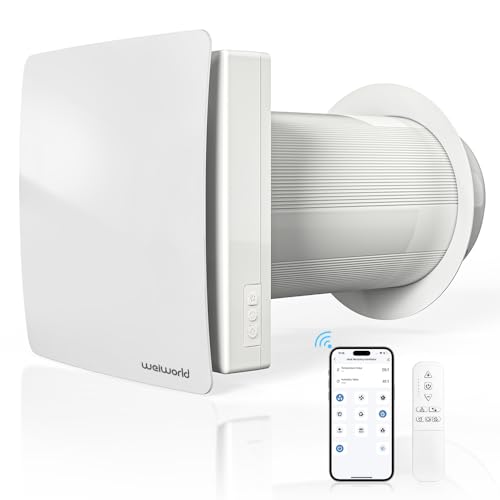
Weiworld Through Wall HEPA Ventilation Fan with WiFi & Remote Control, Ultra Quiet EC Motor Wall Vent, Fresh Air Intake & Air Exchange System for Bedroom, Home Office, Attic
- HEPA Filtration System: Pre-filter, HEPA filter, activated carbon
- Fresh Air Exchange: Continuous intake and exhaust
- WiFi & Remote Control: Adjust speed and modes easily
As an affiliate, we earn on qualifying purchases.
As an affiliate, we earn on qualifying purchases.

8-in-1 Indoor Air Quality Monitor, Portable Tester for Temperature, Humidity, HCHO, TVOC, Smart Sensor for Grow Tents, Bedroom, Home
- 8-in-1 Air Quality Monitoring: Tracks CO2, AQI, temperature, humidity, HCHO, TVOC
- High-Precision Sensors: Provides fast, reliable, and sensitive readings
- Long-Lasting Rechargeable Battery: Up to 72 hours of use on a single charge
As an affiliate, we earn on qualifying purchases.
As an affiliate, we earn on qualifying purchases.