
To create effective cross-breeze ventilation, open windows or vents on opposite sides of your home to encourage natural airflow. Position furniture to keep pathways clear and avoid blocking windows or doorways. Use lighter curtains or blinds for easier control, and consider opening one window slightly while closing another to boost pressure differences. You can also use fans to enhance airflow when needed. Keep an eye on external conditions and adjust openings accordingly for maximum performance. There’s more to improve your ventilation—exploring deeper tips will help you master it.
Key Takeaways
- Open windows on opposite sides of the home simultaneously to create a natural airflow path.
- Keep pathways clear of bulky furniture and obstructions to facilitate smooth cross-ventilation.
- Use fans to enhance airflow, especially when outdoor wind is minimal or conditions are calm.
- Adjust window openings and utilize pressure differences to optimize airflow direction and strength.
- Time ventilation during cooler periods and avoid opening windows during high pollution or allergy seasons.
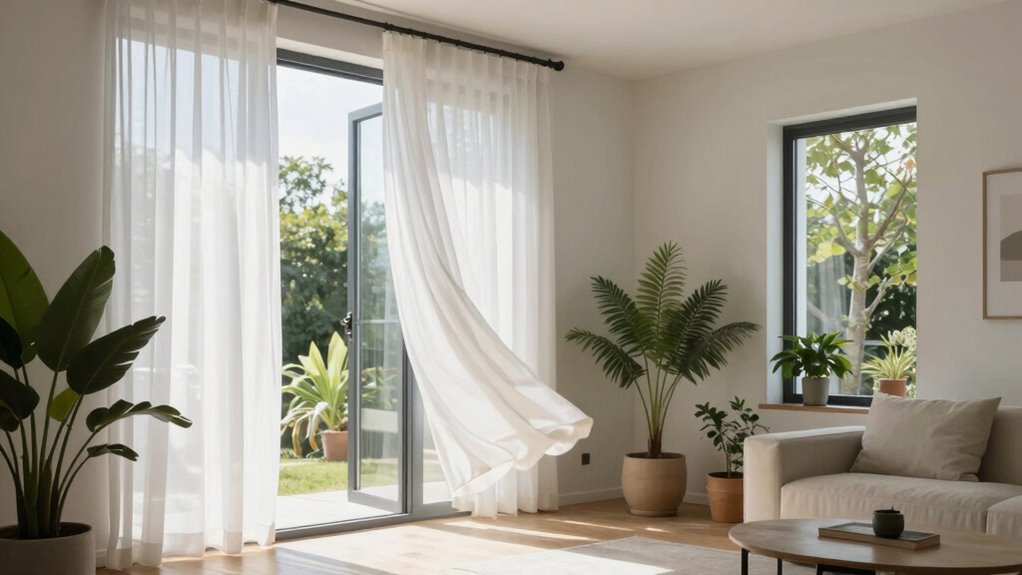
Creating effective cross-breeze ventilation isn’t just about opening windows on opposite sides of your home; it requires strategic placement and airflow management. When done correctly, it can substantially improve indoor air quality and boost ventilation efficiency, making your living space healthier and more comfortable. To maximize the benefits, you need to understand how air moves through your home. Start by identifying windows, doors, or vents that align across rooms or spaces. Think of your home as a system where air enters from one side and exits from another. The goal is to create a natural flow that pulls fresh air in and pushes stale air out without obstruction.
Strategic window placement and airflow management enhance natural ventilation and indoor air quality.
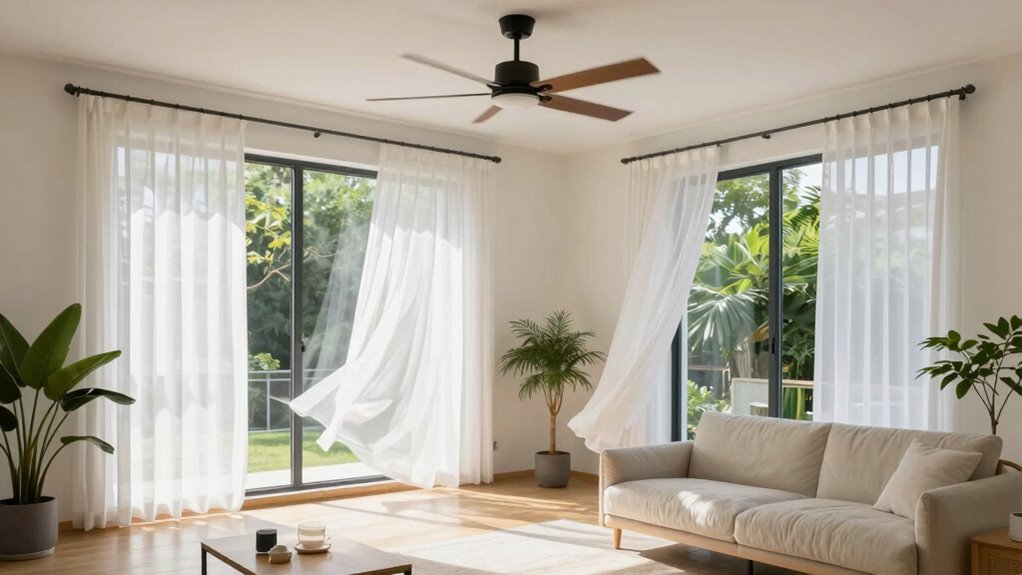
Next, consider the placement of furniture and curtains, which can block airflow. Keep pathways open and avoid bulky furniture blocking windows or doorways that are part of your ventilation route. This guarantees that air can circulate freely and that the cross-breeze reaches every corner of your rooms. Using lighter curtains or blinds that can be easily opened and closed also helps regulate airflow. If your windows have screens, make sure they are clean, as dirt and debris can hinder airflow efficiency. Additionally, understanding the concept of pressure difference can help you optimize airflow and create a more effective ventilation system. Recognizing how pressure differences affect airflow can help you plan better for natural ventilation.
Timing is another vital factor. Take advantage of cooler mornings or evenings when outdoor air is less polluted and more invigorating. Open windows on opposite sides of your home during these times to encourage a steady flow of fresh air. If outdoor conditions aren’t ideal—say, high pollution or allergy season—you might want to limit airflow or consider mechanical ventilation options to supplement natural cross-breeze. This approach helps maintain good indoor air quality without bringing in unwanted pollutants. It’s also helpful to understand airflow patterns to anticipate how air moves through different spaces and optimize ventilation points accordingly. Observing how air currents naturally flow through your home can reveal the best locations for opening windows or installing fans. Gaining insight into ventilation dynamics can further enhance your ability to create a balanced airflow system.
You can also improve ventilation efficiency by creating a pressure difference. For example, slightly opening a window in one room while keeping another window or door partially closed can create a gentle airflow that pulls fresh air through your home. Using fans strategically, such as placing a box fan facing outward in a window, can amplify this effect, especially on windless days. Remember, the key is to maintain a balance; too many open windows or doors can cause drafts that make your home uncomfortable or inefficient. Regularly inspecting your ventilation pathways ensures that no unexpected blockages or leaks compromise airflow. Properly maintained, well-placed windows, combined with smart airflow management, will help your cross-breeze ventilation work effectively, improving indoor air quality and maximizing ventilation efficiency. With some planning and adjustments, you’ll breathe easier knowing your home is naturally renewed and healthier.

Comfort Zone Window Fan for Bedroom, 9 inch 3 Speed Dual Fans with Auto-Locking Expanders, 3 Modes (Cool, Circulate, Exhaust), Remote Control, Fabric Cover plus Bug Screen, White
- 3-Speed Airflow Control: Customize airflow with low, medium, high speeds
- Multi-Function Modes: Cool, exhaust, and circulate air options
- Adjustable Width Fit: Expands from 23.5" to 37" for window fit
As an affiliate, we earn on qualifying purchases.
As an affiliate, we earn on qualifying purchases.
Frequently Asked Questions
How Do I Measure Ideal Window Placement for Cross-Ventilation?
You measure ideal window placement by considering window orientation and airflow patterns. Position windows opposite each other across the room, ideally aligned with prevailing breezes. Use a compass to determine orientation and observe outdoor wind directions. Guarantee unobstructed pathways, like open doors or wider openings, to promote steady cross-ventilation. Test airflow by opening windows and feeling for strong, consistent breezes, adjusting placement if needed for maximum ventilation.
What Are the Best Plants to Enhance Indoor Airflow?
To enhance indoor airflow, choose plants like snake plants, pothos, and ferns that improve air quality and promote circulation. Place these indoor plants strategically near windows and vents, following airflow maximizing techniques, to help guide fresh air throughout your space. Proper indoor plant placement boosts natural ventilation, making cross-breeze ventilation more effective. Regularly rotate plants and keep them healthy to maintain their air-enhancing benefits.
How Does Outdoor Wind Speed Affect Cross-Breeze Efficiency?
Outdoor wind speed directly impacts cross-breeze efficiency by shaping wind patterns and influencing ventilation zones. When wind speeds are high, you’ll notice stronger, more consistent breezes flowing through your space, creating effective airflow. Conversely, low wind speeds can cause weak or irregular breezes, reducing ventilation. To optimize airflow, position windows and vents in alignment with prevailing wind directions, harnessing outdoor wind speed to maximize cross-breeze effectiveness.
Can Cross-Ventilation Work During Heavy Rain or Storms?
Cross-ventilation can work during heavy rain or storms if your home is designed for rain resistance and storm preparedness. Keep windows and vents slightly open on opposite sides to allow airflow while minimizing rain entry. Use protective barriers like awnings or storm shutters, and seal gaps to prevent water intrusion. This setup helps you enjoy fresh air and ventilation, even in adverse weather, while safeguarding your home from storm damage.
What Are Common Mistakes That Block Effective Cross-Ventilation?
Misjudging airflow patterns and ignoring ventilation barriers block effective cross-ventilation. You often seal windows or doors, creating barriers that hinder airflow, or place furniture that obstructs natural breezes. Overlooking the importance of opening multiple windows or positioning them opposite each other disrupts the flow. To improve, you must carefully consider airflow routes, avoid barriers, and strategically open windows to promote seamless, steady cross-ventilation.
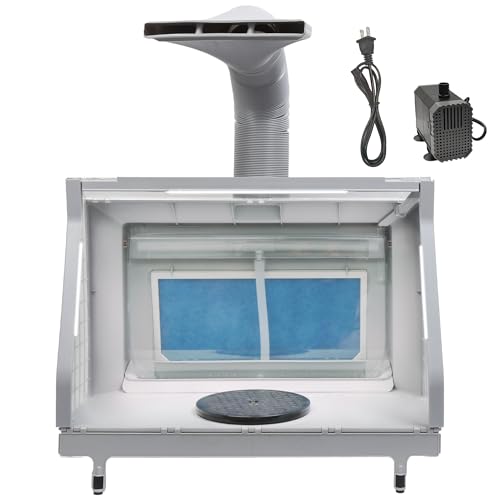
Colima Professional Airbrush Spray Booth with Filtration 3 Fans, LED Lights
- Filtration System: Triple filtration captures 99% dust and fumes
- Powerful Fans & Workspace: Three 45W fans with large transparent area
- LED Lighting & Turntable: Bright LED lights with 360° rotating platform
As an affiliate, we earn on qualifying purchases.
As an affiliate, we earn on qualifying purchases.
Conclusion
So, next time you’re dreaming of a natural breeze, remember: just opening a window isn’t enough. You’ve got to play matchmaker with your doors and windows, engineer a perfect cross-breeze, and maybe even learn a little about airflow. Otherwise, you’ll be left sweating and sweltering, wondering why your “breeze” feels more like a stale puff. Truly, it’s an art form—so get practicing, or stay stuck in the air-conditioning era. Your sweat glands will thank you.

48"x102" Window Screen Mesh, Fiberglass Window Screen, Screen Door Mesh, Windows Screens and Screen Door Replacement, Patio Screen Mesh- Black
- Material: Durable fiberglass mesh with UV protection
- Strength: Radial strength over 320N/Inch
- Weight: Above 110g/m2 for durability
As an affiliate, we earn on qualifying purchases.
As an affiliate, we earn on qualifying purchases.

AC Infinity Automatic Duct Fan 4", Inline Fan with Differential Pressure Switch, Air Vent Booster Fan for Industrial HVAC Ducting Ventilation Exhaust Systems
- Boosts airflow in duct systems: Inline duct fan for enhanced airflow
- Automatic activation: Detects pressure change to turn on
- Versatile mounting: Supports any position for airflow
As an affiliate, we earn on qualifying purchases.
As an affiliate, we earn on qualifying purchases.