Cooking releases airborne pollutants like smoke, grease particles, VOCs, and carbon monoxide that quickly worsen indoor air quality. These contaminants are often invisible but can accumulate rapidly, influencing air quality more swiftly than dust or dirt. Proper ventilation and air purification are essential to manage this. If you want to understand how these pollutants impact your health and what solutions work best, keep exploring how you can protect your indoor environment.
Key Takeaways
- Cooking releases airborne pollutants like smoke, VOCs, and grease particles that rapidly degrade air quality.
- These pollutants are invisible and can accumulate quickly, impacting indoor air faster than dust or clutter.
- Ventilation and air purification are essential during cooking to prevent pollutant buildup.
- Cooking fumes often originate at the source, making them more immediate and concentrated than dirt in a room.
- Proper ventilation techniques help expel fumes and pollutants before they cause significant indoor air deterioration.
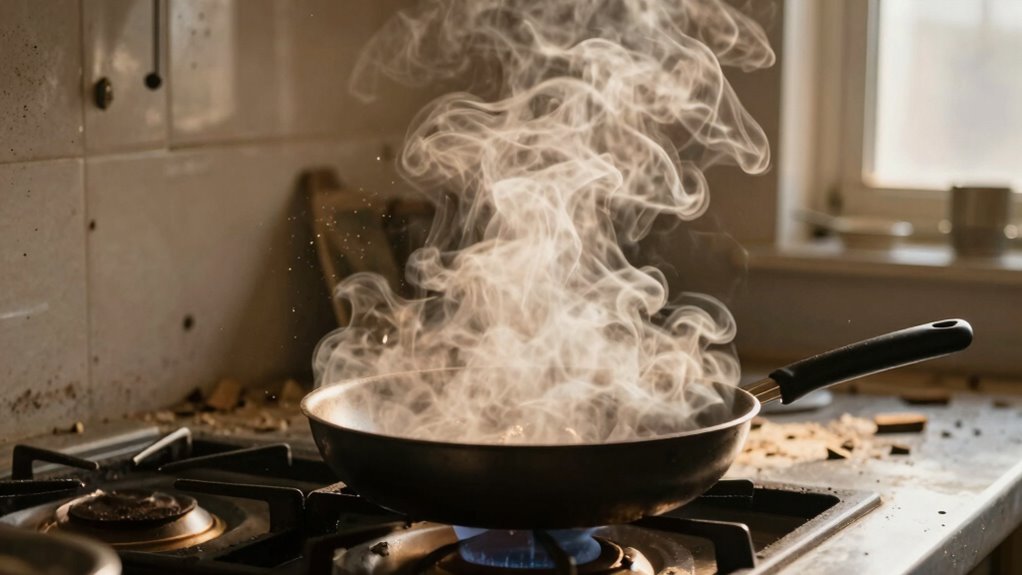
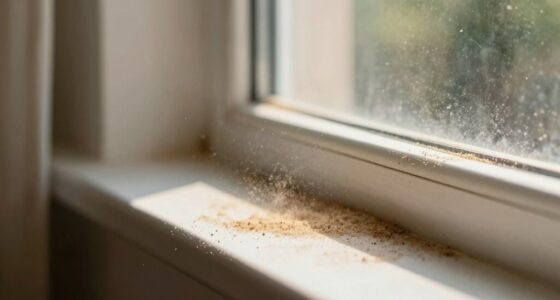
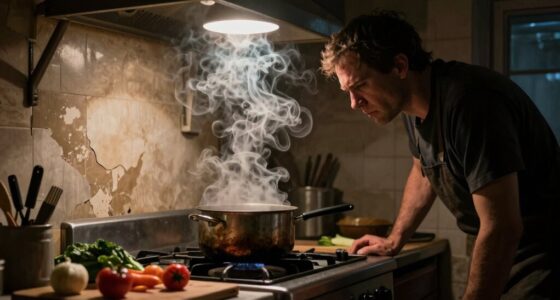
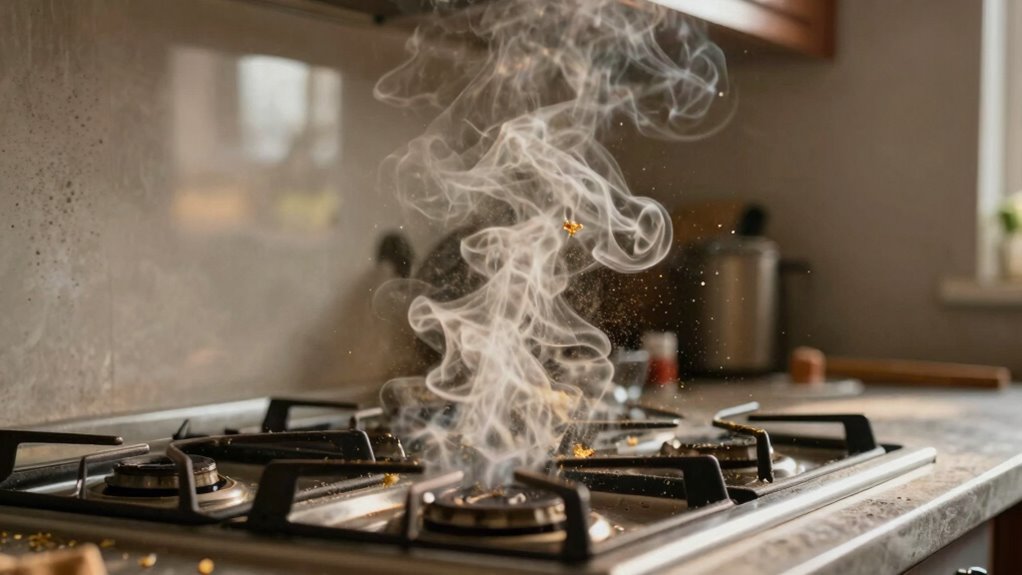
Many people assume that a messy room poses the biggest threat to indoor air quality, but surprisingly, cooking can actually deteriorate it much faster. When you cook, especially on a stove or grill, you release a variety of airborne pollutants that can quickly compromise the air you breathe. These include smoke, grease particles, volatile organic compounds (VOCs), and even carbon monoxide, depending on the fuel source. Over time, these contaminants accumulate, creating an environment where indoor air quality drops markedly. Unlike dust or clutter, which may contribute to allergens or mold, the substances from cooking are often invisible but more immediate in their impact.
Cooking releases airborne pollutants that can quickly worsen indoor air quality, often invisible but more immediate than dust or clutter.
To combat this, implementing effective air purification becomes crucial. An air purifier with a HEPA filter can trap tiny particles like smoke and grease, improving the overall quality of your indoor environment. Some purifiers also include activated carbon filters, which absorb VOCs and odors generated during cooking. Regularly maintaining and upgrading your air purification system ensures it continues to effectively remove pollutants. But even the best air purifier can’t do its job alone; it needs proper ventilation techniques to work best. Proper ventilation helps to exhaust cooking fumes outside and replace contaminated indoor air with fresh air from outside. Using exhaust fans over your stove or range is a simple yet powerful step. Make sure these fans are vented outside rather than recirculating air back into the room, as this prevents pollutants from lingering.
In addition, opening windows and doors during and after cooking can greatly improve air circulation. The key is to create a flow of fresh air that pushes out smoke and airborne particles. The use of Ventilation techniques, such as installing an exhaust hood that captures fumes at the source, are essential for maintaining good indoor air quality. These ventilation techniques not only reduce the concentration of harmful substances but also help prevent the buildup of moisture and grease, which can lead to mold growth and other indoor air quality issues. Being aware of airborne pollutants and their sources can help you better protect your indoor environment. Understanding the impact of indoor air pollutants is fundamental to implementing effective measures, especially during cooking. You need to think of your kitchen as a space that requires continuous airflow management. Good air purification combined with proper ventilation techniques ensures that airborne contaminants from cooking don’t stay trapped inside. It’s a proactive way to maintain healthier indoor air, preventing the rapid deterioration caused by cooking fumes. So, next time you’re preparing a meal, remember that controlling air quality is just as important as following a recipe, and making these small adjustments can greatly improve your indoor environment.

LEVOIT Air Purifier for Home Allergies and Pets Hair Smokers in Bedroom, H13 True HEPA Filter, 24db Filtration System Cleaner Odor Eliminators, Remove 99.97% Dust Smoke Mold Pollen, Core 300, White
- AHAM Verified for Performance: Independently tested for air quality and efficiency
- Powerful Filtration System: 56W motor with 143 CFM CADR
- Effective for Large Rooms: Cleans 222 sq ft 4.8 times/hour
As an affiliate, we earn on qualifying purchases.
As an affiliate, we earn on qualifying purchases.
Frequently Asked Questions
How Does Ventilation Impact Cooking-Related Indoor Air Pollution?
Ventilation greatly impacts cooking-related indoor air pollution by improving airflow efficiency and enhancing fan effectiveness. When your ventilation system works well, it quickly removes smoke, grease, and odors, preventing pollutants from lingering. An effective exhaust fan clears the air faster, reducing health risks. Conversely, poor ventilation causes pollutants to accumulate, worsening indoor air quality. So, make certain your fan is powerful enough and airflow is unobstructed for healthier cooking environments.
Are Certain Foods More Likely to Release Harmful Fumes Indoors?
Certain foods release more harmful fumes and chemical emissions when cooked, increasing indoor air pollution. For example, frying or grilling meats can produce strong food fumes containing volatile organic compounds, while starchy foods like potatoes release acrylamide during high-temperature cooking. You should be especially cautious with processed foods or those high in fats, as they tend to emit more chemical emissions, which can negatively impact your indoor air quality.
Can Indoor Plants Help Reduce Air Pollution From Cooking?
Yes, indoor plants can help reduce air pollution from cooking through plant filtration and air purification. They act like gentle guardians, absorbing airborne pollutants and releasing fresh, clean air. As you place a few lush greens nearby, they work quietly in the background, transforming your space into a serene haven. While not a complete solution, these natural air purifiers can considerably improve your indoor environment after cooking.
What Safety Measures Can Minimize Airborne Contaminants During Cooking?
You can minimize airborne contaminants during cooking by using a range hood or exhaust fan that vents outside, which helps remove smoke particles and airborne allergens. Keep windows open when possible to improve ventilation. Avoid overcrowding the kitchen, and consider using a air purifier with a HEPA filter to trap smoke particles. Regularly clean surfaces and your cooking appliances to reduce sources of airborne allergens and maintain healthier indoor air quality.
How Do Different Cooking Methods Affect Indoor Air Quality?
Different cooking methods impact indoor air quality in various ways. For example, grilling and frying produce more smoke, leading to higher smoke production that can harm air quality and cause respiratory issues. On the other hand, boiling or steaming release fewer airborne contaminants, helping maintain better indoor air. If you’re seeking flavor enhancement, be mindful that methods like grilling might add smoky flavors but also increase airborne pollutants.

Amico 8" Kitchen Exhaust Fan, Remote 9-Speed, 29W EC Motor, 686 CFM
- High CFM Exhaust Power: 686 CFM for heavy-duty ventilation
- Energy-Efficient EC Motor: 29W motor reduces energy costs
- 9-Speed Remote Control: Adjustable speeds with wireless remote
As an affiliate, we earn on qualifying purchases.
As an affiliate, we earn on qualifying purchases.
Conclusion
So, next time you cook, remember you’re stirring a storm in your indoor air, turning your cozy space into a battleground of particles and fumes. Just like a wildfire spreads unchecked, cooking can quickly pollute your air, leaving it battered and weakened. Keep your indoor environment fresh and vibrant—think of your home as a delicate garden that needs careful tending. Don’t let your culinary adventures turn your sanctuary into a smoky, polluted battleground.
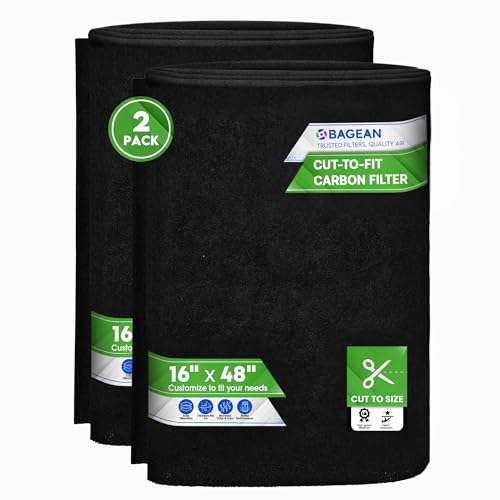
Bagean Cut to Fit Activated Carbon Filter Sheet 16” x 48” Carbon Air Filter
- Freshens Air: Removes odors for a clean environment
- Highly Absorbent: Made from coconut shell carbon
- Enhanced Odor Removal: Extra carbon for superior odor elimination
As an affiliate, we earn on qualifying purchases.
As an affiliate, we earn on qualifying purchases.

Stove Vent Filter 10.5"x8.8" 97007696 Fits Nutone Broan Range Hood Filter
- Grease and Charcoal Filter Combo: Protects from grease and odors
- Odor Elimination: Activated charcoal absorbs kitchen odors
- Fresh Air Improvement: Keeps kitchen air clean and inviting
As an affiliate, we earn on qualifying purchases.
As an affiliate, we earn on qualifying purchases.