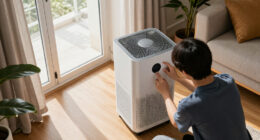
Before blaming “bad air,” you should first check if your home’s ventilation system is working properly and providing enough airflow. Make sure vents are open, filters are clean, and the HVAC is operating correctly. Improving ventilation often solves indoor air issues without needing expensive filters or air purifiers. If you verify your airflow is sufficient, you’ll be closer to identifying the real cause of indoor air problems—so keep exploring this essential step.

Get health and wellness essentials delivered free with Prime
- Fast, free delivery on millions of items
- Prime Video, Amazon Music and more included
- Member-only deals all year
Key Takeaways
- Assess and ensure your ventilation system is functioning properly and vents are not blocked.
- Improve airflow by opening windows, doors, and using exhaust fans to promote fresh air exchange.
- Check and replace air filters regularly to ensure optimal filtration and air quality.
- Identify and minimize indoor pollutant sources like cooking fumes, cleaning products, and tobacco smoke.
- Confirm that indoor humidity levels are balanced between 30-50% to prevent mold and improve air quality.

Before blaming the air for your health issues, it’s vital to check the ventilation in your space. Many people jump to conclusions about “bad air” without considering whether proper airflow or filtration is in place. Poor indoor air quality often stems from how well your space exchanges and filters air, not necessarily from external pollutants. If you’re experiencing headaches, fatigue, or respiratory discomfort, the first step is to evaluate your ventilation system. Are vents blocked or closed? Is your HVAC system functioning correctly? These are essential questions to ask before assuming the air itself is the problem.
Check your ventilation system first before blaming the air for health issues.
Start by inspecting your windows and doors. Are they sealing properly or allowing fresh air to circulate? Sometimes, simple adjustments can greatly improve airflow. If you rely on air conditioning or heating units, check whether they have clean filters. Dirty filters can trap dust, mold spores, and other allergens, reducing air quality even if the system is running. Replacing filters regularly is an easy and effective way to guarantee cleaner indoor air. Also, consider the age and maintenance of your ventilation system—older units may need repairs or upgrades to work efficiently.
Next, evaluate the source of any indoor pollutants. Cooking fumes, cleaning products, tobacco smoke, and pet dander can all contribute to poor air quality. Without adequate ventilation, these substances build up and cause discomfort or health issues. Using exhaust fans in kitchens and bathrooms can help remove these pollutants from the air. If you have a fireplace or wood stove, ensure proper venting and consider installing air purifiers equipped with HEPA filters. These devices can capture airborne particles that standard filters might miss, especially if your ventilation isn’t ideal.
Another step is to measure the humidity levels. Excess humidity can promote mold growth, which severely impacts indoor air quality. Aim for a humidity level between 30-50%. Dehumidifiers or humidifiers can help maintain this balance, ensuring your environment isn’t contributing to health problems. Ventilation isn’t just about air exchange; it’s also about creating a balanced environment where pollutants are minimized and fresh air is consistently supplied. Additionally, understanding indoor air quality factors can help you identify other issues affecting your environment.
Ultimately, before pointing fingers at “bad air,” you need to guarantee your ventilation system works properly. Improving airflow, filtering out pollutants, and controlling humidity are vital steps. These actions often resolve issues that seem to stem from external air quality but are actually related to how your space manages indoor air. Taking these measures puts you in control, making your environment healthier and more comfortable. Only after confirming your ventilation is effective should you consider external factors or seek professional testing. This approach saves you time, effort, and unnecessary worry about the air outside, which might be perfectly fine.
Frequently Asked Questions
How Can I Identify the True Source of Indoor Air Issues?
You can identify the true source of indoor air issues by conducting a thorough inspection of your space. Start by checking for visible mold, dust buildup, or musty odors. Use air quality monitors to detect pollutants and allergens. Pay attention to ventilation systems, filters, and humidity levels. Eliminating common culprits like mold, dust, or chemical sources often reveals the root cause, helping you address the problem effectively.
Are There Specific Tools to Test Air Quality Effectively?
Yes, you can use tools like air quality monitors, which measure factors like VOCs, particulate matter, and humidity levels. These devices are user-friendly and provide real-time data, helping you pinpoint issues quickly. You might also consider professional testing kits or hiring an indoor air quality expert for more detailed analysis. Regular testing guarantees you catch problems early, maintaining a healthier indoor environment.
What Health Symptoms Indicate Poor Indoor Air Quality?
You might notice symptoms like headaches, dizziness, or fatigue, which can signal poor indoor air quality. Allergies or respiratory issues such as coughing, sneezing, or congestion also often worsen when air quality declines. If you experience these symptoms regularly, especially in certain areas of your home or office, it’s a sign you should check your indoor environment. Improving ventilation and reducing pollutants can help alleviate these symptoms.
How Often Should I Have My Indoor Air Checked?
You should have your indoor air checked at least once a year, especially if you notice symptoms like headaches, allergies, or fatigue. If anyone in your home has respiratory issues or if you’ve recently renovated, consider testing more frequently—every six months. Regular checks help catch issues early, ensuring your air quality stays safe. Keep an eye on your environment and consult professionals if you suspect indoor air problems.
Can Ventilation Improvements Eliminate All Indoor Air Problems?
Ventilation improvements are like opening windows to let fresh air in, but they can’t clear every cloud of indoor pollutants. While better airflow can substantially reduce airborne issues, some problems like mold, chemicals, or allergens need targeted solutions. Think of ventilation as your home’s breath—it’s essential, but sometimes, you need filters or cleaning to fully clear the air. So, no, they can’t eliminate all indoor air problems alone.
Conclusion
Before blaming “bad air,” take a moment to investigate the real cause. Imagine a factory worker who assumed the air was polluted, only to discover a faulty ventilation system was spreading dust. By checking the environment first, you can avoid unnecessary panic and address the true problem. Next time you feel unwell or notice strange odors, pause and verify the source—sometimes, the culprit isn’t what it seems.
Cold & flu season Picks
humidifiers
As an affiliate, we earn on qualifying purchases.