You might notice humidity feels different upstairs and downstairs because warm air rises, trapping moisture on upper levels, while poor airflow can allow stale, damp air to linger. Structural factors like vents, windows, and insulation also influence temperature and moisture distribution. Without proper ventilation, these differences become more pronounced, affecting how humid or dry each area feels. Keep exploring to uncover how adjusting airflow and insulation can help balance your home’s environment.
Key Takeaways
- Warm air rises, increasing upstairs temperature and perceived humidity compared to downstairs.
- Poor ventilation upstairs traps moisture, making humidity feel higher than downstairs.
- Structural elements like windows and insulation influence airflow and moisture distribution.
- External weather impacts indoor humidity levels differently upstairs and downstairs.
- Limited airflow and ventilation cause uneven humidity perception throughout the home.
Have you ever noticed that your upstairs feels more humid or drier than downstairs, even though they share the same air? This difference often puzzles homeowners, but it mainly comes down to how air circulates and how temperature varies between levels. Your home isn’t a uniform environment; it’s a collection of microclimates that influence humidity levels in subtle but noticeable ways.
One key factor is air circulation. Upstairs tends to have less natural airflow than downstairs because of how air moves through your home. Warm air rises, so heat naturally collects on upper floors, reducing the need for active circulation. Without proper ventilation or fans, stale air can linger up there, trapping moisture or, conversely, drying out the space. This uneven air movement makes it easier for humidity to build up or dissipate, depending on external conditions and your home’s ventilation systems. If your rooms lack good airflow, you might feel that upstairs is consistently more humid or drier than downstairs, even if the actual moisture levels are similar. Additionally, air circulation can be affected by the placement of furniture and obstructions, further impacting humidity perception.
Poor airflow upstairs can cause humidity issues, making it feel damp or dry despite similar moisture levels downstairs.
Temperature variation plays an equally important role. Heat rises, so your upstairs tends to be warmer than your lower levels, especially if you don’t have consistent heating or cooling. Warmer air holds more moisture, which can make the upstairs feel more humid even if the actual humidity content is the same as downstairs. Conversely, if the upstairs is cooler—perhaps because of poor insulation or inadequate heating—it may feel drier. These temperature differences influence how moisture is perceived because our skin and respiratory system respond to both temperature and humidity combined. When the air is warmer upstairs, it can feel muggy or damp, even if the moisture content isn’t significantly different.
Additionally, the way your home is designed impacts both air circulation and temperature variation. Attics, ceilings, and windows all influence airflow and temperature gradients. For example, poorly sealed windows can trap warm, moist air inside, increasing humidity upstairs. Similarly, vents and fans can help equalize the environment, reducing the discrepancy in humidity levels. The placement of vents, the use of dehumidifiers or humidifiers, and even the direction of your HVAC system all influence how evenly air and temperature are distributed, which in turn affects how humid or dry your upstairs feels compared to downstairs. Proper ventilation strategies and insulation can also prevent temperature and humidity imbalances by promoting better airflow and temperature regulation.
In conclusion, understanding the combined effects of air circulation and temperature variation helps you better manage your home’s humidity levels. Proper ventilation, insulation, and climate control can make the upstairs and downstairs feel more balanced, creating a more comfortable environment throughout your house.

TempPro TP50 Digital Hygrometer Indoor Thermometer Room Thermometer and Humidity Gauge with Temperature Humidity Monitor(Previously ThermoPro)
Wellness Indicator: This humidity meter with humidity level icon indicates air conditions – DRY/COMFORT/WET, allowing this humidity sensor…
As an affiliate, we earn on qualifying purchases.
As an affiliate, we earn on qualifying purchases.
Frequently Asked Questions
How Does Insulation Affect Humidity Levels on Different Floors?
Insulation impacts humidity levels by regulating temperature and moisture movement. Thermal insulation helps keep upstairs warmer, reducing condensation and excess moisture, while moisture barriers prevent dampness from seeping through walls and floors. Downstairs, less insulation may allow humidity to fluctuate more easily. By properly installing thermal insulation and moisture barriers, you can create a more consistent humidity level throughout your home, making it feel more comfortable upstairs and downstairs.
Can Outdoor Weather Influence Upstairs and Downstairs Humidity Differently?
Outdoor conditions act like an invisible hand, stirring humidity fluctuations inside your home. When the weather turns humid or dry outside, it can differently influence upstairs and downstairs, as warm air rises and cool air sinks. You might notice upstairs feels muggy during summer storms, while downstairs remains drier. These weather shifts make indoor humidity dance to the tune of outdoor elements, changing how each floor feels and behaves.
Do Household Appliances Impact Humidity Distribution Within a Home?
Household appliances impact humidity distribution by influencing humidity control and efficiency. For example, dehumidifiers and humidifiers help balance moisture levels, making sure upstairs and downstairs stay comfortable. Appliances like washing machines and dishwashers add moisture, raising humidity locally. If your appliances are energy-efficient and well-maintained, they better regulate humidity, preventing uneven levels that cause discomfort. Proper appliance use and maintenance make certain of consistent humidity, making your entire home more comfortable.
How Does the Design of a Home’s Ventilation System Alter Humidity?
Your home’s ventilation design directly influences airflow circulation and moisture migration, shaping humidity levels. Poorly designed systems can trap moist air upstairs, making it feel damp, while efficient ventilation promotes even moisture distribution, balancing humidity throughout. By controlling airflow paths, you can prevent excess moisture buildup or dryness, creating a more comfortable environment. Properly designed ventilation guarantees moisture moves where needed, reducing humidity disparities between upstairs and downstairs.
What Are Effective Methods to Balance Humidity Levels Between Floors?
To balance humidity levels between floors, focus on humidity control and improving air circulation. Use dehumidifiers or humidifiers in specific areas to manage moisture. Make certain vents and fans promote airflow between floors, reducing hot spots and damp zones. Additionally, open interior doors and use fans to enhance air circulation. Regularly check humidity levels with a hygrometer, adjusting your devices as needed to create a comfortable, consistent environment throughout your home.

LEVOIT Tower Fan for Bedroom, 90° Oscillating Standing Fan with 28dB Quiet for Sleep, 25ft/s Velocity, 12H Timer, 5 Speeds 4 Modes, Remoter, Bladeless Room Fan for Home, Office, Indoor, 36 inch, White
𝙎𝙖𝙮 𝙂𝙤𝙤𝙙𝙗𝙮𝙚 𝙩𝙤 𝙏𝙧𝙖𝙙𝙞𝙩𝙞𝙤𝙣𝙖𝙡 𝙁𝙖𝙣𝙨: Our innovative airflow design combines a curved air inlet and unique multi-blade design,…
As an affiliate, we earn on qualifying purchases.
As an affiliate, we earn on qualifying purchases.
Conclusion
Understanding why humidity feels different upstairs and downstairs helps you create a more comfortable home. Remember, humidity levels can vary by as much as 20% between floors, impacting your comfort and health. By using a hygrometer and balancing your home’s humidity, you can enjoy a consistent, cozy environment throughout. Don’t overlook these small adjustments — they make a big difference in how your home feels, saving you energy and enhancing your well-being every day.

ToLife Dehumidifier for Home 95 OZ Water Tank, 1000 sq.ft Dehumidifiers for Basement Bedroom Bathroom with Auto Shut Off 7 Colors LED Light, Grey
Upgrade High Efficient Dehumidification: ToLife dehumidifier utilize semiconductor condensation technology, ensuring quiet operation while effectively extracting moisture from…
As an affiliate, we earn on qualifying purchases.
As an affiliate, we earn on qualifying purchases.
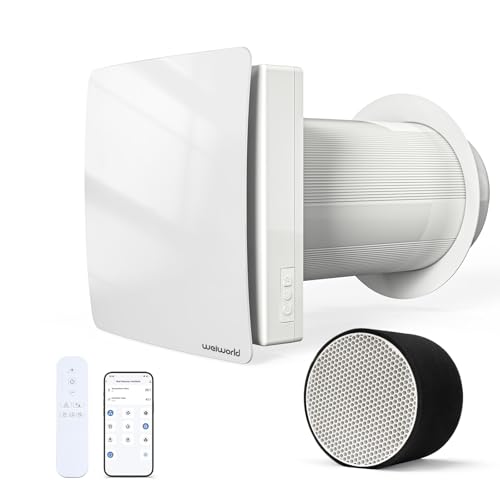
Weiworld Heat Recovery Ventilator with Ceramic Heat Exchanger, Wall-Mounted Fresh Air System with WiFi/Remote Control for Home, Attic, Garage – Supply, Exhaust & Recirculation Ventilation Fan
Heat Recovery Ventilator (HRV) for single room ventilation: Equipped with a high-efficiency ceramic heat exchanger that recovers up…
As an affiliate, we earn on qualifying purchases.
As an affiliate, we earn on qualifying purchases.