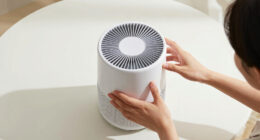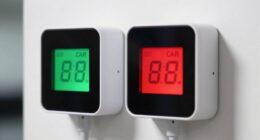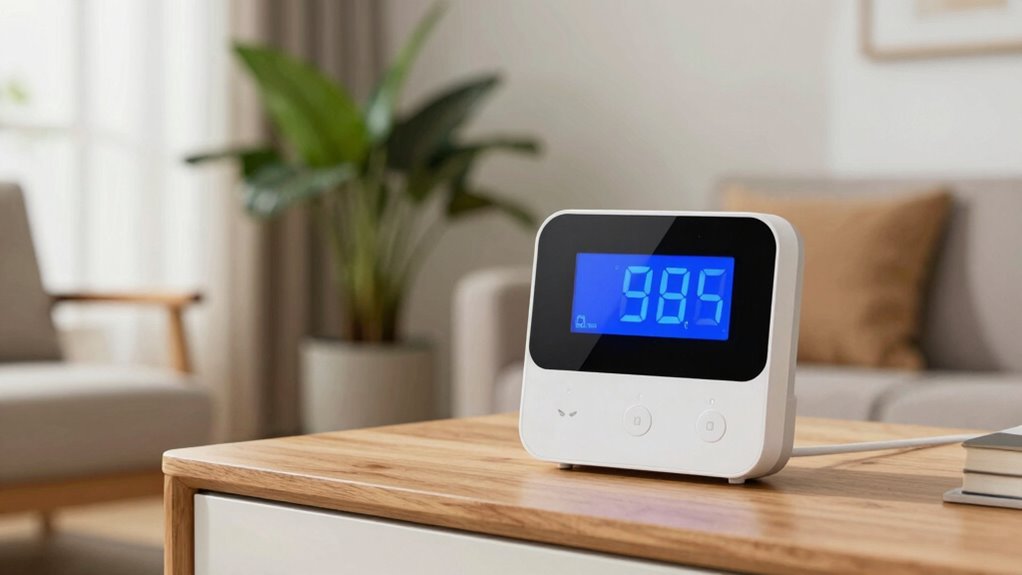

To truly understand your indoor air quality, you need accurate measurements, not just relying on smell or general impressions. Monitoring provides specific numbers that reveal hidden pollutants like VOCs, dust, or pet dander. These readings help you identify sources, improve ventilation, and decide on purifiers. Keep in mind, odors alone aren’t reliable indicators of safety. Staying informed with proper data allows you to create a healthier space—if you keep exploring, you’ll discover more ways to improve your environment.
Key Takeaways
- Indoor air quality readings reveal pollutant levels, not just odors or smells.
- High readings indicate potential health risks, guiding necessary actions.
- Accurate interpretation requires understanding pollutant sources and environmental factors.
- Regular monitoring helps detect invisible hazards like VOCs and carbon monoxide.
- Relying solely on air numbers ensures a more comprehensive assessment than smell alone.
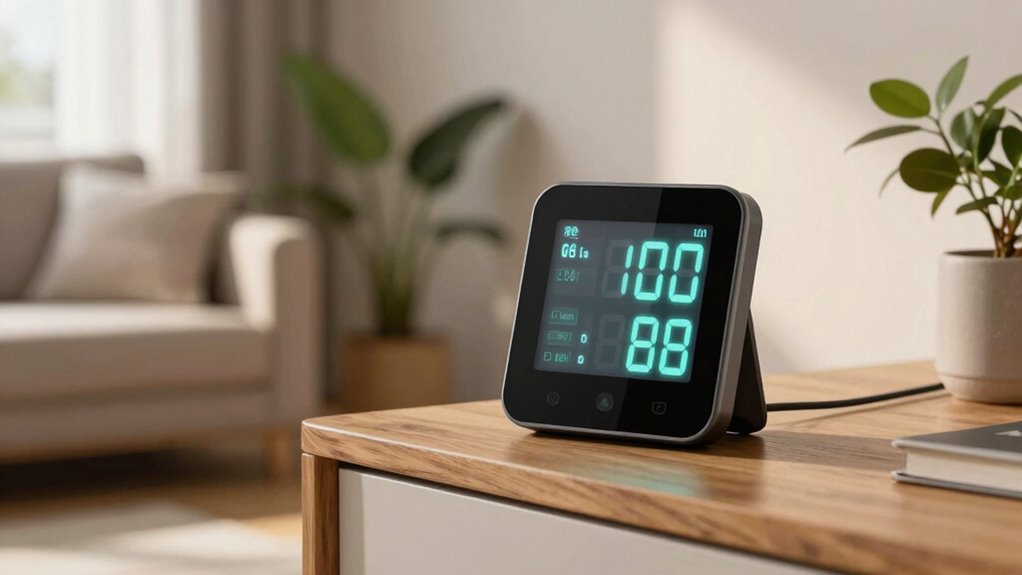
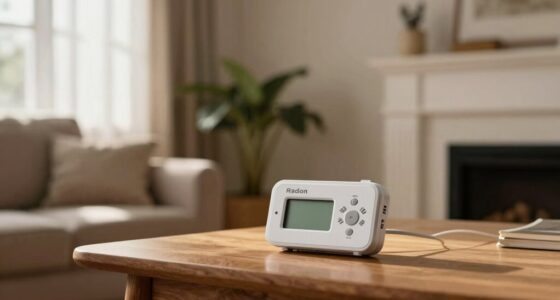
Indoor air quality can considerably impact your health, yet many people overlook the importance of monitoring the numbers that reveal what’s lingering in their homes. When you pay attention to these numbers, you’re better equipped to identify issues that could be affecting your well-being. Air quality readings provide insight into the levels of pollutants floating around, which can come from a variety of sources inside your house. Recognizing pollutant sources is the first step toward creating a healthier environment. These sources include everything from cooking fumes and cleaning chemicals to pet dander and mold. Understanding where pollutants originate helps you take targeted action to reduce their presence.
Monitoring indoor air numbers isn’t just about collecting data—it’s about understanding what that data means. For example, high readings of volatile organic compounds (VOCs) could indicate improper ventilation or the use of certain household products. Elevated levels of particulate matter might point to dust, pet hair, or outdoor pollutants sneaking inside. When you regularly check these numbers, you gain a clearer picture of what’s affecting your air quality and how serious the problem might be. This awareness enables you to implement specific strategies, like improving ventilation, using air purifiers, or changing cleaning routines. Indoor air numbers can also reveal the presence of harmful gases that are invisible to the naked eye, emphasizing the importance of regular monitoring. Plus, understanding air quality measurements helps in making informed decisions about your home’s environment. Additionally, being aware of how pollutant levels fluctuate can help you identify patterns related to activities or seasonal changes.
Monitoring air quality helps identify issues and guides effective strategies like improving ventilation and using air purifiers.
Many people assume that if their home smells clean, the air quality must be good. But smell isn’t always a reliable indicator of air safety. Some pollutants are odorless yet harmful, making it essential to rely on actual measurements. By reading your indoor air numbers, you’re not just guessing—you’re making informed decisions. For instance, if your air quality monitor shows elevated levels of carbon monoxide or carbon dioxide, you’ll know to air out the space or check for potential sources of leakage or malfunctioning appliances. Similarly, high humidity readings could signal mold growth, which can impact respiratory health. Recognizing indoor air pollutants early can prevent health problems and costly remediation efforts. Being proactive with air quality testing can help you maintain a healthier home environment and avoid unnecessary health risks.

Professional Indoor Air Quality Monitor with AQI Alerts, Portable Real-Time Detector for Home, Car, Plants & Pets (Black)
【Professional 16-in-1 Real-time Air Quality Monitor】: With real-time detection of PM1.0 | PM2.5 | PM10 | CO2 |…
As an affiliate, we earn on qualifying purchases.
As an affiliate, we earn on qualifying purchases.
Frequently Asked Questions
How Often Should I Test Indoor Air Quality at Home?
You should test your indoor air quality regularly, ideally every three to six months, depending on your environment. Use air quality sensors to monitor factors like pollutants and humidity, and adjust testing frequency if you notice changes or health issues. If you’ve recently renovated or introduced new items, test more frequently. Consistent testing helps you maintain a safe, healthy home environment and catch problems early.
What Are the Health Risks of Indoor Air Pollutants?
Indoor pollution is like invisible dust—quiet but harmful. Poor air quality standards expose you to health risks like asthma, allergies, or even more severe issues like respiratory infections. You might not see it, but these pollutants can cause headaches, fatigue, or worsen existing conditions. Regularly checking your indoor air quality helps you spot dangers early, so you can take action to breathe cleaner, safer air every day.
Can Indoor Air Quality Affect My Pets?
Indoor air quality can substantially affect your pets by impacting their respiratory health and increasing toxin exposure. Pets often breathe closer to the ground, where pollutants settle, making them more vulnerable. Poor air quality can lead to pet respiratory issues, allergies, or worsen existing conditions. To protect your pets, guarantee good ventilation, reduce indoor toxins, and monitor air quality levels, keeping their environment safe and healthy.
Do Air Purifiers Improve Indoor Air Numbers?
Yes, air purifiers can improve indoor air numbers when they have high air purifier effectiveness, especially those with HEPA filters. They remove pollutants, allergens, and airborne particles, enhancing air quality. To guarantee they work well, use indoor air monitoring to track improvements and confirm the purifier’s effectiveness. Regular maintenance and choosing the right model are key to maximizing benefits and creating a healthier home environment.
What Is a Safe Level for Indoor Air Pollutants?
Think of indoor air as a delicate dance, where safe levels keep pollutants like dust and VOCs from stepping out of line. A safe level typically aligns with ventilation standards, which vary by pollutant source. You should aim for pollutant concentrations below these thresholds to protect your health. Regularly ventilate your space and minimize pollutant sources to maintain a balanced, healthy environment where your indoor air can breathe freely.
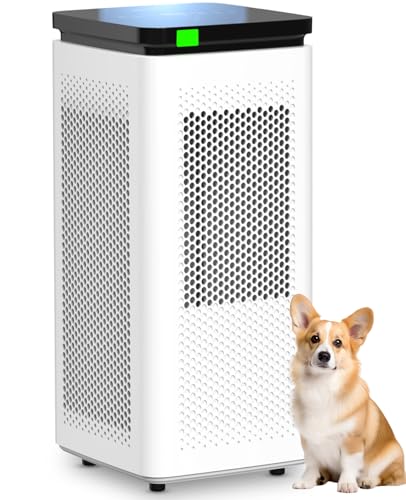
Air Purifiers for Home Large Rooms up to 3500 Ft², H13 True HEPA 0.1 Micron 99.97% Filtration with Carbon Filter, 235 CFM CADR, Removes Allergens, Pet Odor, Smoke, VOCs, 30dB Sleep Mode, PM2.5 Display
H13 True HEPA + Carbon Filter – Removes Allergens, Odors & Smoke: Equipped with H13 True HEPA (0.1μm,…
As an affiliate, we earn on qualifying purchases.
As an affiliate, we earn on qualifying purchases.
Conclusion
While those indoor air numbers can seem overwhelming, remember they’re just gentle signals guiding you toward a healthier home. By paying attention and making small adjustments, you can create a more comfortable, inviting space for you and your loved ones. Think of it as fine-tuning your environment—smiling quietly in the background, ensuring everything feels just right. Trust your instincts, stay mindful, and breathe easy, knowing you’re taking steps toward a fresher, safer living space.
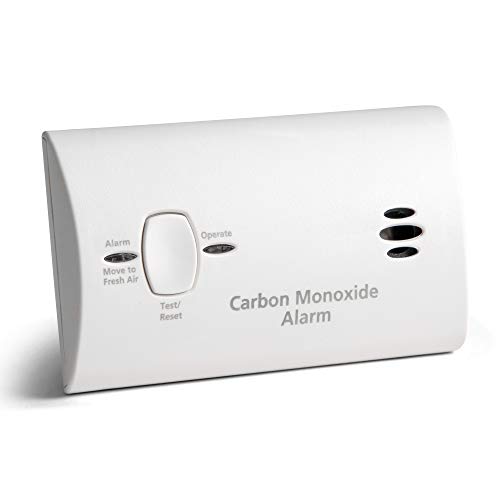
Kidde Carbon Monoxide Detector, AA Battery Powered, Portable for Travel or Home, 85 dB Alarm, LED Status Indicators, 3rd Edition
Electrochemical sensor technology detects CO gas
As an affiliate, we earn on qualifying purchases.
As an affiliate, we earn on qualifying purchases.

Amazon Smart Air Quality Monitor – Know your air, Works with Alexa
Know your air – Amazon Smart Air Quality Monitor makes it easy to understand what’s in your indoor…
As an affiliate, we earn on qualifying purchases.
As an affiliate, we earn on qualifying purchases.