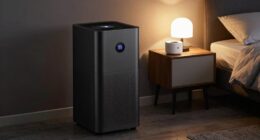
To think about VOCs without overcomplicating it, focus on the basics: recognize common sources like paints, air fresheners, and furniture that emit these gases. You can reduce exposure by increasing ventilation and choosing low-VOC or VOC-free products when possible. Keep an eye on product labels and manage sources in your home. Small, manageable steps can make a big difference, and if you stay informed, you’ll find more simple ways to improve your indoor air quality.
Key Takeaways
- Focus on identifying common sources like paints, cleaners, and furniture to manage exposure easily.
- Prioritize proper ventilation when using VOC-emitting products to reduce indoor air concentrations.
- Choose low-VOC or VOC-free products to minimize chemical emissions without detailed technical knowledge.
- Read product labels for VOC content and opt for safer alternatives when available.
- Make small, consistent adjustments to improve air quality without feeling overwhelmed by complexity.

Have you ever wondered what volatile organic compounds (VOCs) really are and why they matter? If you’re trying to wrap your head around VOCs, it’s helpful to start with the basics. VOCs are a group of chemicals that easily become vapors or gases at room temperature. They’re found in many common household products like paints, cleaning supplies, air fresheners, and even some furniture. When these substances release gases into your indoor environment, they can impact your air quality and potentially lead to chemical exposure. That’s why understanding VOCs isn’t about overcomplicating things — it’s about recognizing how they fit into your daily life and health.
Think of VOCs as tiny particles that can linger in the air you breathe indoors. The presence of these chemicals can reduce your overall air quality, making the environment less safe and comfortable. It’s not always obvious when VOCs are present, but their effects can accumulate over time, especially if you’re regularly exposed to products that emit high levels of these compounds. For example, painting a room without proper ventilation might introduce a surge of VOCs into the air you breathe. Similarly, using air fresheners or cleaning sprays can release VOCs that contribute to chemical exposure. The challenge is that many of these products are marketed as safe or even beneficial, which can make it tricky to gauge your actual risk.
The key to thinking about VOCs without overcomplicating it is to focus on reducing unnecessary exposure. You don’t need to become an expert in chemical science; instead, aim for simple practices like increasing ventilation when using products that emit VOCs, choosing low-VOC or VOC-free alternatives when possible, and being aware of product labels. These steps help improve your indoor air quality and minimize your exposure to harmful chemicals. Additionally, understanding indoor air quality factors can help you better manage your environment and health. Being mindful of product labels that specify low or zero VOC content can also make a meaningful difference in creating a healthier indoor space. Recognizing emission sources** in your home can further guide your efforts to reduce chemical exposure. Incorporating proper ventilation strategies can significantly reduce the buildup of VOCs and other indoor pollutants. It’s also helpful to stay informed about common sources of VOCs**, so you can identify and address potential risks early. Remember, your environment plays a significant role in your health, and small adjustments can make a big difference.
Ultimately, understanding VOCs isn’t about fear — it’s about awareness. When you pay attention to the sources and effects of these chemicals, you can make smarter choices to safeguard your air quality and reduce chemical exposure. You don’t have to overthink it; just focus on practical, manageable steps that keep your indoor air healthier. That way, you stay informed without feeling overwhelmed, and you create a safer space for yourself and your loved ones.

Rust-Oleum 1993502 Painter's Touch Ultra Cover Multi-Purpose Brush-On Paint, 1 Quart, Semi-Gloss White
Use for a variety of indoor and outdoor project surfaces including wood, metal, plaster, masonry or unglazed ceramic
As an affiliate, we earn on qualifying purchases.
As an affiliate, we earn on qualifying purchases.
Frequently Asked Questions
Are All VOCS Harmful or Only Some?
Not all VOCs are harmful; some are safely below exposure thresholds, posing minimal health risks. However, certain VOCs can affect your health if you’re exposed to high levels over time, so understanding VOCs safety is essential. You should be aware of specific VOCs relevant to your environment and monitor exposure thresholds. By doing so, you can better manage potential risks without overcomplicating your approach to VOCs.
How Quickly Do VOCS Affect Health?
Imagine VOCs as sneaky whispers that can stir up trouble quickly. When you’re exposed, especially with VOCs and allergies or VOC exposure and pets, health effects can appear within hours or days. Some may feel immediate irritation, while others develop symptoms over time. It doesn’t always take long for VOCs to impact your health, so reducing exposure is key—especially for sensitive individuals and furry friends.
Can VOC Levels Vary Daily?
Yes, VOC levels can vary daily in indoor air due to factors like weather, activities, and ventilation. Using measurement techniques such as air sampling or real-time monitors helps you track these fluctuations. You might notice higher VOCs during cleaning or cooking. Regular testing allows you to understand patterns, so you can improve indoor air quality, reduce exposure, and create a healthier environment for yourself and your family.
What Common Household Items Emit VOCS?
Many household items emit VOCs, affecting your indoor air quality with chemical odors. Common sources include air fresheners, cleaning supplies, paints, and furniture made with pressed wood. When you use these items, VOCs are released into the air, often unnoticed, but they can cause headaches or irritation. To improve indoor air quality, ventilate well and choose low-VOC or VOC-free products whenever possible.
Is Ventilation Enough to Eliminate VOCS?
Ventilation alone isn’t enough to eliminate VOCs completely. While building ventilation helps dilute indoor pollutants, you should also consider air filtration systems that specifically target VOCs. Using high-quality air purifiers with activated carbon filters can substantially reduce VOC levels. Combine proper ventilation with air filtration for a more effective approach to improving indoor air quality and minimizing VOC exposure in your home.
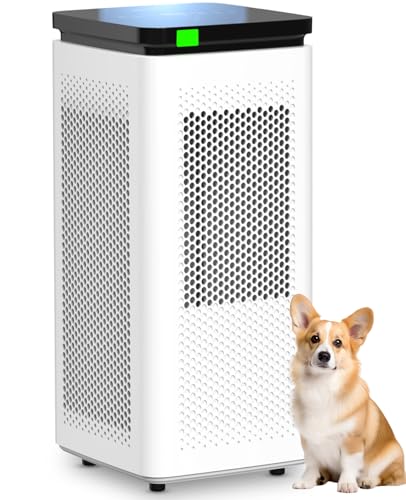
Air Purifiers for Home Large Rooms up to 3500 Ft², H13 True HEPA 0.1 Micron 99.97% Filtration with Carbon Filter, 235 CFM CADR, Removes Allergens, Pet Odor, Smoke, VOCs, 30dB Sleep Mode, PM2.5 Display
H13 True HEPA + Carbon Filter – Removes Allergens, Odors & Smoke: Equipped with H13 True HEPA (0.1μm,…
As an affiliate, we earn on qualifying purchases.
As an affiliate, we earn on qualifying purchases.
Conclusion
Remember, when it comes to VOCs, don’t get lost in the weeds. Keep it simple and focus on the essentials—like a lighthouse guiding a ship through fog. Approach VOCs with curiosity, not fear, and trust that understanding grows with each step you take. By breaking it down and staying grounded, you’ll see the bigger picture clearly. As the saying goes, “A journey of a thousand miles begins with a single step.”

Truly Free Space Freshener Starter Kit, Lemongrass Essential Oil – Car and Air Fresheners for Home, Natural Odor Eliminator Room Spray, 16oz Spray Bottle, 1 Refill (3.4oz) No Synthetic Fragrances
Natural Lemongrass Air Freshener Spray Kit – Refresh any room, car, office, or living space with our Truly…
As an affiliate, we earn on qualifying purchases.
As an affiliate, we earn on qualifying purchases.

Comfort Zone Twin Window Fan with Reversible Airflow Control, 9 inch, Auto-Locking Expanders, 2 Speed Fan, Dual Fan, Exhaust, Airflow 9.84 ft/sec, Ideal for Home, Kitchen, Bedroom & Office, CZ319WT
DUAL SPEED SELECTION: Enjoy the flexibility of choosing between two air output options on this twin speed window…
As an affiliate, we earn on qualifying purchases.
As an affiliate, we earn on qualifying purchases.