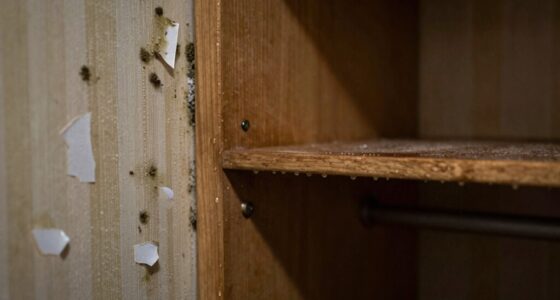
Your daily habits, like cooking, showering, and watering indoor plants, quietly raise indoor humidity over time. Keeping windows closed or airflow limited traps moisture inside, while activities like air-drying clothes or boiling water release steam into the air. Large or numerous plants add more moisture through transpiration. Small, routine actions build up, subtly increasing humidity without you noticing. If you want to understand how to better manage this, keep exploring these everyday factors.

Get health and wellness essentials delivered free with Prime
- Fast, free delivery on millions of items
- Prime Video, Amazon Music and more included
- Member-only deals all year
Key Takeaways
- Using exhaust fans during cooking and showering releases moisture into the air, increasing humidity over time.
- Indoor plants transpire water, subtly adding moisture to indoor environments.
- Air-drying clothes indoors releases significant moisture, raising indoor humidity levels.
- Boiling water or cooking without ventilation emits steam, gradually elevating humidity.
- Poor air circulation traps moist air, causing indoor humidity to steadily accumulate.
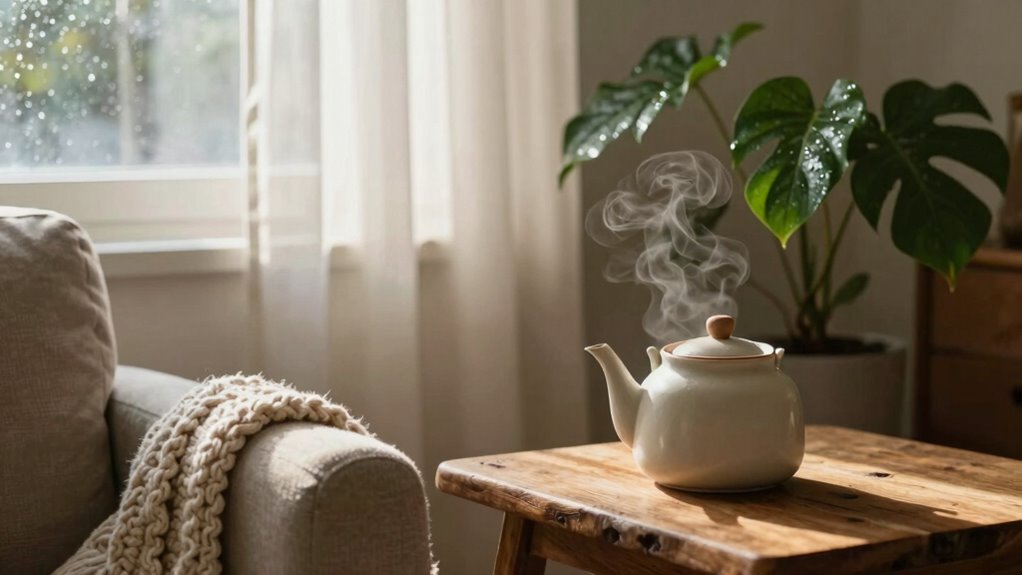
Maintaining the right indoor humidity level often depends on your daily habits. Small, routine actions can greatly influence the moisture levels in your home without you even realizing it. For instance, how you manage air circulation plays a vital role. When you keep windows slightly open or use exhaust fans during cooking and showering, you’re allowing fresh air to flow through your space. This movement of air helps prevent overly dry environments but can also introduce moisture if the outdoor air is humid. Conversely, poor air circulation can cause stagnant, dry air, prompting your body to seek moisture elsewhere, which can subtly increase indoor humidity over time.
Another habit that quietly raises humidity is your choice to keep household plants. Plants naturally release moisture into the air through a process called transpiration. If you have several indoor plants or a large, leafy one, it can add a noticeable amount of humidity to your living space. You might not think about it, but watering your plants regularly contributes to this effect, especially if you tend to overwater or leave excess water standing in saucers beneath the pots. Over time, this moisture evaporates into the air, increasing humidity levels without requiring any additional effort.
Indoor plants and overwatering can quietly increase humidity through natural transpiration and evaporation.
Activities like drying laundry indoors also influence indoor humidity levels. If you tend to air-dry your clothes inside rather than using a dryer, the moisture from damp garments gradually escapes into the air, raising humidity. This is particularly common in colder months when drying clothes outside isn’t feasible. Similarly, taking long, hot showers and leaving the bathroom door open allows warm, moist air to spread into the rest of your home, subtly boosting overall humidity. Over time, these daily habits add up, affecting the indoor environment more than you might expect.
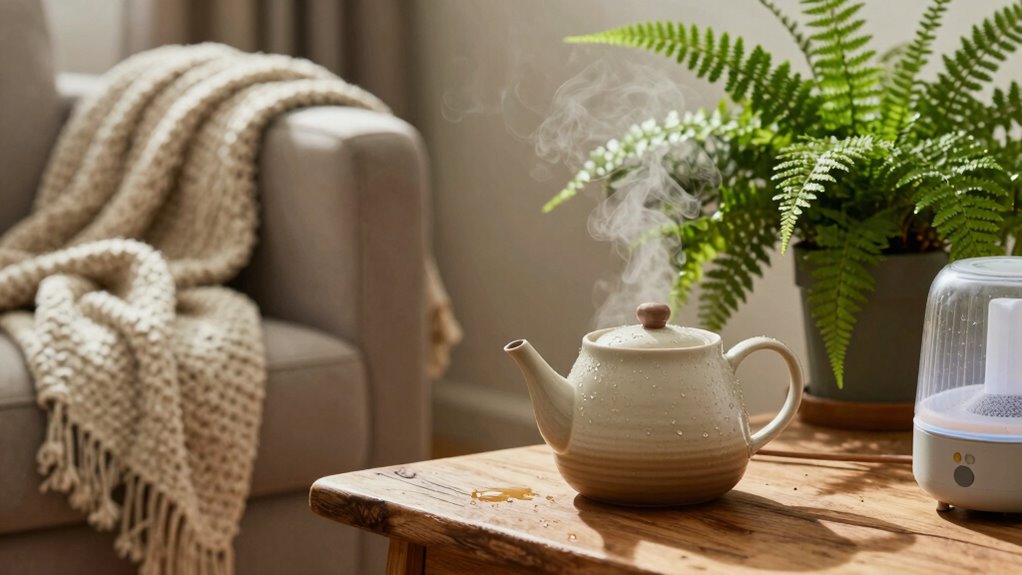
Even minor daily routines, such as boiling water for tea or cooking meals, contribute to moisture levels. The steam released during these activities disperses into the air, increasing humidity. If you tend to leave pots uncovered or don’t use exhaust fans, this effect intensifies. Over days and weeks, these small, consistent actions can push your indoor environment toward higher humidity levels, making your space more comfortable but also risking excess moisture if not managed properly. Recognizing how your routine behaviors influence air circulation and household plants can help you better control indoor humidity, ensuring your home remains balanced and healthy. Additionally, understanding the natural role of biodiversity in your indoor environment can help you create a more sustainable and balanced living space.
As an affiliate, we earn on qualifying purchases.
Frequently Asked Questions
Can Household Plants Significantly Increase Indoor Humidity Levels?
Yes, household plants can substantially increase indoor humidity through plant transpiration. As they absorb water from soil moisture, they release moisture into the air, raising humidity levels. Larger plants with more extensive root systems and soil moisture contribute more to this effect. By placing several plants in your home, you can naturally boost indoor humidity, creating a more comfortable environment, especially in dry seasons.
Do Air Purifiers Affect Indoor Humidity?
Air purifier effects on indoor humidity are generally minimal, but they do impact humidity regulation subtly. You might notice that, while air purifiers improve air quality, they can slightly lower humidity levels because they draw in and filter air continuously. To maintain comfortable humidity, consider balancing your air purifier use with other humidity sources, like houseplants or humidifiers, ensuring your indoor environment stays just right without compromising air cleanliness.
How Does Temperature Influence Indoor Humidity From Daily Habits?
Temperature fluctuation considerably influences indoor humidity from your daily habits. When you increase the temperature by taking hot showers or cooking, you cause humidity levels to rise as warm air holds more moisture. Conversely, lowering the temperature, like turning down the thermostat at night, helps maintain a humidity balance. Your habits directly impact indoor moisture, so adjusting temperature settings can help you control humidity levels more effectively.
Can Using a Humidifier Replace the Need for Daily Habits?
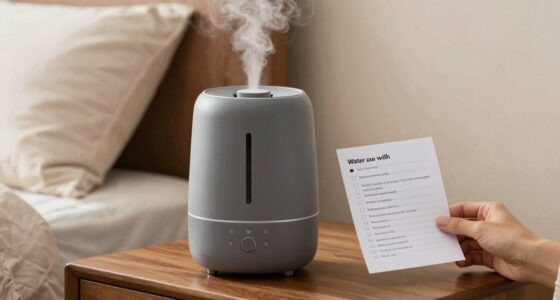
Using a humidifier can considerably boost indoor humidity, but it can’t replace the power of habit consistency. Relying solely on a humidifier is like trying to fill an ocean with a teaspoon—it’s effective but limited. Daily habits, like drying clothes indoors or watering plants, work synergistically with your humidifier, ensuring ideal humidity levels. Together, they create a balanced environment that a humidifier alone can’t achieve.
Are There Specific Daily Habits That Decrease Indoor Humidity?
Yes, certain daily habits can decrease indoor humidity. Using a dehumidifier regularly enhances its effectiveness, especially in damp areas. Practicing good ventilation, like opening windows or using exhaust fans during cooking and showering, helps remove excess moisture. Additionally, avoiding overwatering plants and sealing leaks prevent unnecessary humidity buildup. These habits work together to maintain a comfortable, balanced indoor environment and improve overall air quality.
As an affiliate, we earn on qualifying purchases.
Conclusion
By paying attention to your daily habits, you can gently turn your home into a lush oasis. Simple actions like watering plants or drying clothes indoors act like tiny drops of rain, steadily raising your indoor humidity. Think of it as nurturing a delicate garden—each habit adding a wave of fresh life to your space. With mindful choices, you’ll create an inviting, balanced environment where your home feels as cozy as a hidden grove.
As an affiliate, we earn on qualifying purchases.
indoor plant transpiration meter
As an affiliate, we earn on qualifying purchases.
As an affiliate, we earn on qualifying purchases.
Halloween Picks
halloween
As an affiliate, we earn on qualifying purchases.