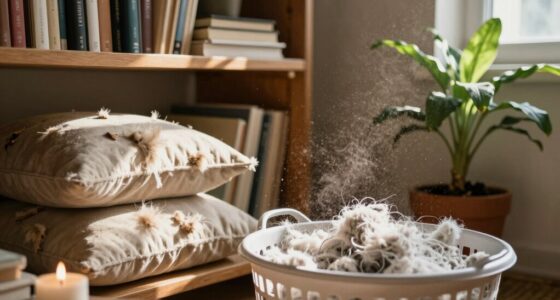

If your home always feels dustier than it looks, poor ventilation and airflow might be the cause. Inadequate airflow keeps dust particles airborne longer and slows their settling on surfaces. Without regular ventilation, stale air traps dust and pollutants, making your space feel dirtier. Controlling humidity and using air circulation devices help reduce dust buildup. Proper HVAC maintenance also plays a key role. To find out more about improving your indoor air quality, keep exploring these effective techniques.
Key Takeaways
- Poor ventilation allows dust particles to linger in the air, making spaces feel dustier than visible surfaces suggest.
- Inadequate humidity control can cause dust to become airborne more easily, increasing indoor dustiness.
- Hidden dust buildup inside HVAC systems can recirculate dust, affecting air quality without visible dust on surfaces.
- Stagnant air and insufficient airflow create dust stagnation zones, making the environment feel dustier.
- Use of air circulation devices and regular maintenance help reduce airborne dust, decreasing the sensation of dustiness.
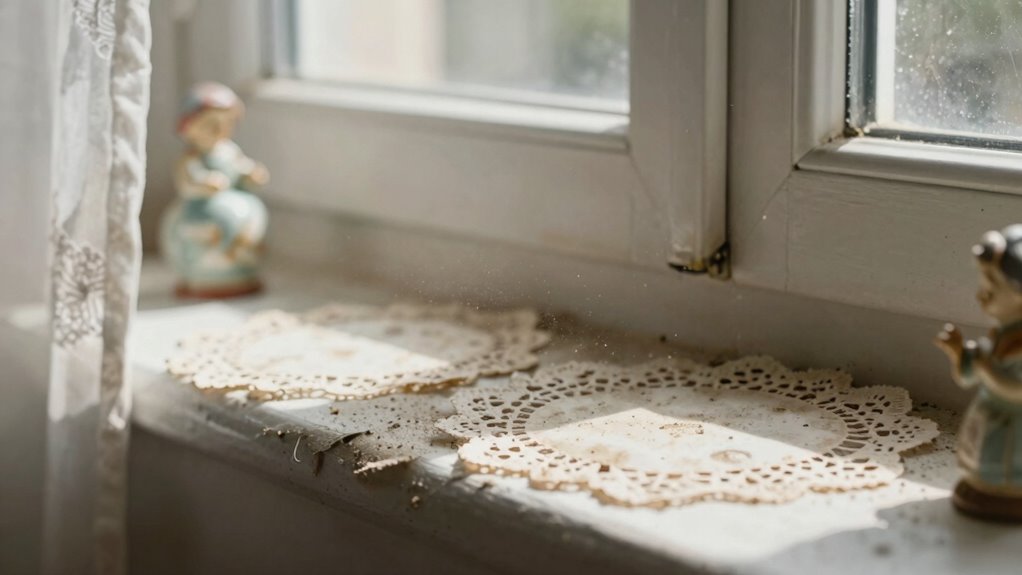
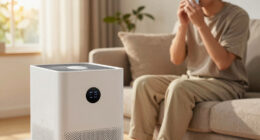
You might also notice that inadequate ventilation worsens the dust problem. Without proper airflow, dust particles linger longer in the air, settling slowly on surfaces. Regularly ventilating your home by opening windows or using exhaust fans can help exchange stale indoor air for fresh outdoor air, which often contains fewer pollutants. This exchange not only improves air quality but also supports humidity control, which can reduce dust buildup. Additionally, using air circulation techniques like ceiling fans or air purifiers can help maintain consistent airflow, further reducing airborne dust. Incorporating proper ventilation systems can also make a significant difference in managing dust levels over time. Ensuring regular maintenance of HVAC systems is crucial for effective dust control and maintaining good indoor air quality.

MOOKA Air Purifiers for Home Large Room up to 1076ft², H13 True HEPA Air Filter Cleaner, Odor Eliminator, Remove Smoke Dust Pollen Pet Dander, Night Light, B-D02L White
MOOKA B-D02L AIR PURIFIER FOR LARGE ROOM: With the high-efficiency filtration system, the air purifier covers an area…
As an affiliate, we earn on qualifying purchases.
As an affiliate, we earn on qualifying purchases.
Frequently Asked Questions
Can Air Purifiers Reduce Indoor Dust Effectively?
Yes, air purifiers can reduce indoor dust effectively if you maintain them properly. Regular air purifier maintenance guarantees ideal performance, especially when replacing or cleaning filters. Choose the right filter types, like HEPA filters, which trap tiny dust particles efficiently. Keep your purifier running consistently and follow manufacturer guidelines to keep dust levels low, making your home feel cleaner and more comfortable.
How Does Humidity Influence Dust Accumulation?
Humidity influences dust accumulation considerably. When humidity levels are high, it promotes dust mite proliferation, which increases dust and allergens in your home. Proper humidity control, keeping levels around 40-50%, helps reduce dust mite growth and prevents dust from settling quickly. By managing humidity, you create an environment less hospitable to dust mites, helping your home stay cleaner and feel less dusty, even if it looks tidy.
Do Certain Household Materials Attract More Dust?
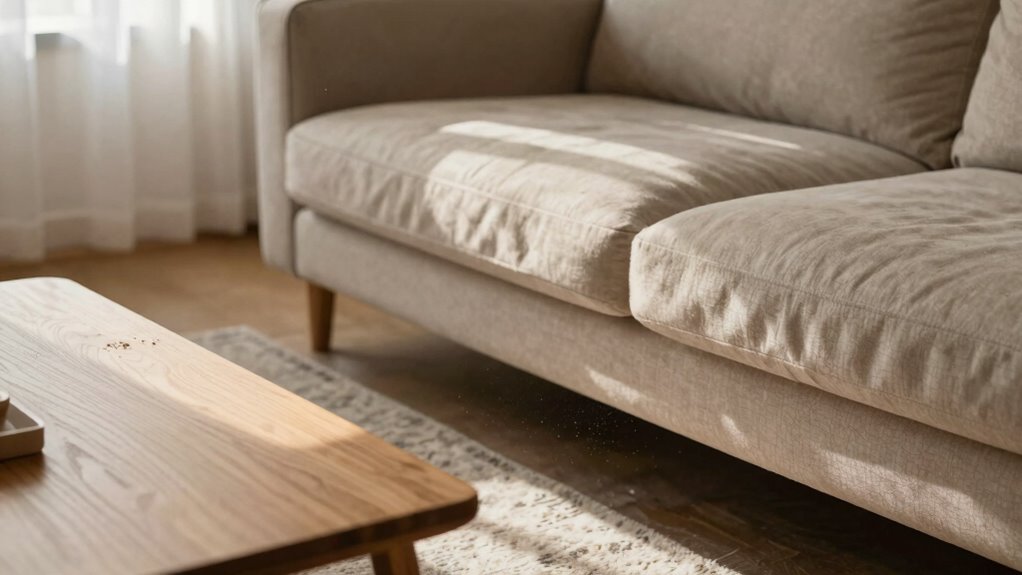
Certain household materials act as dust magnet materials, attracting more dust due to their surface properties. For example, fabrics like upholstery, carpets, and plush furniture tend to trap dust easily, leading to increased surface accumulation factors. Smooth, non-porous surfaces like glass or metal collect less dust, making your home feel cleaner. Being aware of dust magnet materials helps you target cleaning efforts effectively, reducing dust buildup and improving indoor air quality.
Can Pets Increase Indoor Dust Levels?
Yes, pets can increase indoor dust levels. Pet dander from animals like cats and dogs becomes airborne easily, settling on surfaces and lingering in the air. Additionally, their shedding contributes to dust, especially in carpets where fibers trap pet hair and dander. Regular cleaning helps reduce these allergens, but if you have pets, expect a higher presence of pet dander and dust, making your home feel dustier even when it looks clean.
How Often Should I Replace HVAC Filters?
You should replace your HVAC filters every 1 to 3 months to maintain ideal filter longevity and guarantee good indoor air quality. Regular HVAC maintenance helps prevent dust buildup and allergens, making your home feel cleaner. If you have pets or allergies, consider changing filters more frequently. Keep an eye on filter color and airflow, and don’t wait too long to replace them—this keeps your system efficient and reduces dustiness.

V2262-50 7 Inch Bathroom Exhaust Fan, 50 CFM, 1.0 Sones, 7" Ceiling Exhaust Fan, for 8 Inch Diameter Rough-in Opening, Ideal Ventilation for Bathroom, Laundry Room, Mobile Home, Kitchen & Garage
Effective Exhaust: This 7-inch exhaust fan provides efficient ventilation for smaller spaces, effectively removing odors, moisture, and grease…
As an affiliate, we earn on qualifying purchases.
As an affiliate, we earn on qualifying purchases.
Conclusion
So, next time your home feels dustier than it appears, try investigating hidden sources like air vents or soft furnishings. Regular cleaning and proper ventilation can make a big difference. While some dust might be unavoidable, understanding these sneaky culprits helps you enjoy a fresher, cleaner space. Don’t forget, a little maintenance goes a long way in keeping your home feeling comfortable and inviting—dust doesn’t have to take over.

Provirtec MistFree Evaporative Humidifier for Bedroom, 3L No White Dust for Sensitive Individuals, Auto Humidity Control, Works with Tap Water, Night Light, Easy Clean Tank for Home & Small Room
Next-Gen clean technology: Advanced evaporative humidifier with professional-grade water tank, delivering hygienic mist for improved respiratory comfort and…
As an affiliate, we earn on qualifying purchases.
As an affiliate, we earn on qualifying purchases.
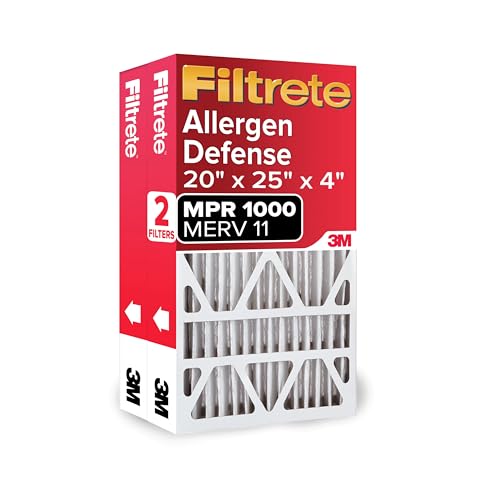
Filtrete 20x25x4 Air Filter MERV 11, MPR 1000 Micro Allergen Defense 2-Pack, Fits Honeywell & AprilAire, AC Furnace HVAC Filters for Home, Pleated Electrostatic (Actual Size 19.88 x 24.63 x 4.31 in)
DIFFERENT FROM NOMINAL SIZE: Slightly different from the nominal size, this air filter’s exact dimensions are 19.88 in…
As an affiliate, we earn on qualifying purchases.
As an affiliate, we earn on qualifying purchases.