
When you close a door, you alter the airflow and pressure inside a room more than you might think. It creates pressure zones that can restrict or block natural air movement, leading to uneven temperature and poor ventilation. This isolation prevents fresh air from entering and stale air from escaping, making spaces feel stuffy and less healthy. Understanding how these pressure differences influence airflow can help you improve indoor comfort—there’s more to uncover if you keep exploring.
Key Takeaways
- Closed doors create pressure differences that disrupt natural airflow and hinder pressure equalization between rooms.
- They restrict airflow pathways, leading to stagnant air, poor ventilation, and decreased indoor air quality.
- Closing doors isolates spaces, forming pressure zones that cause drafts and uneven temperature distribution.
- Multiple closed doors amplify pressure imbalances, significantly reducing overall ventilation efficiency.
- Small actions like leaving doors slightly open help maintain pressure balance and improve airflow dynamics.
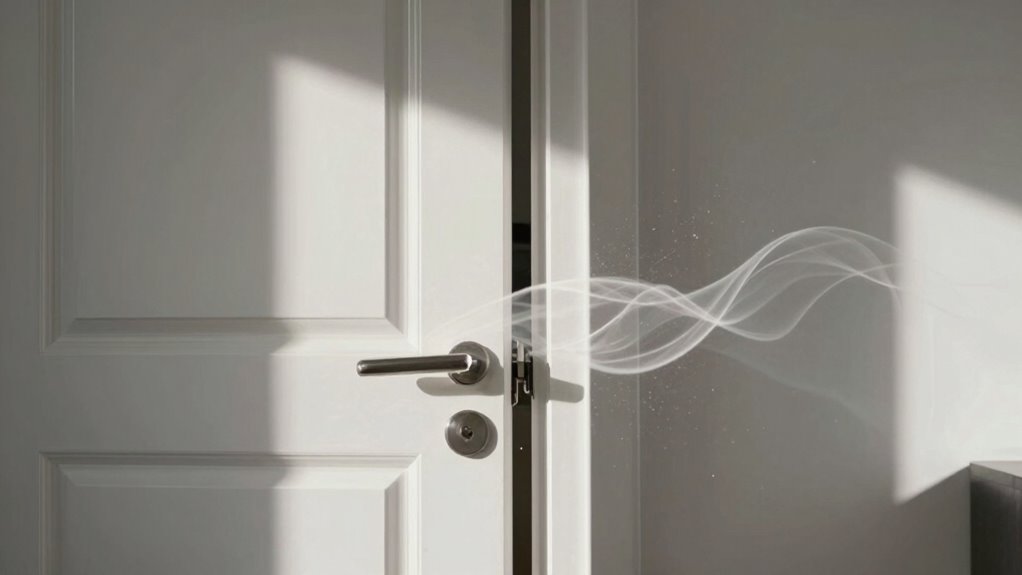
Have you ever wondered how closing doors impacts the airflow in a room? It’s a common situation that many people overlook, but the effects are more substantial than you might think. When you close a door, you change the air pressure inside the room, which directly influences how air moves throughout your space. This shift in air pressure can cause air to be drawn in or pushed out through other openings, affecting the overall ventilation efficiency of your environment.
Think about it: when a door is open, air flows freely between rooms, equalizing pressure and allowing for better circulation. But once the door closes, that open pathway disappears. The air inside the room becomes more isolated, often leading to a buildup of pressure or a reduction in pressure depending on the surrounding airflow. If the room has limited ventilation, the air pressure inside can rise, making it harder for fresh air to enter and stale air to escape. Conversely, if the room is under lower pressure, closing the door may cause a vacuum effect, pulling air from neighboring spaces.
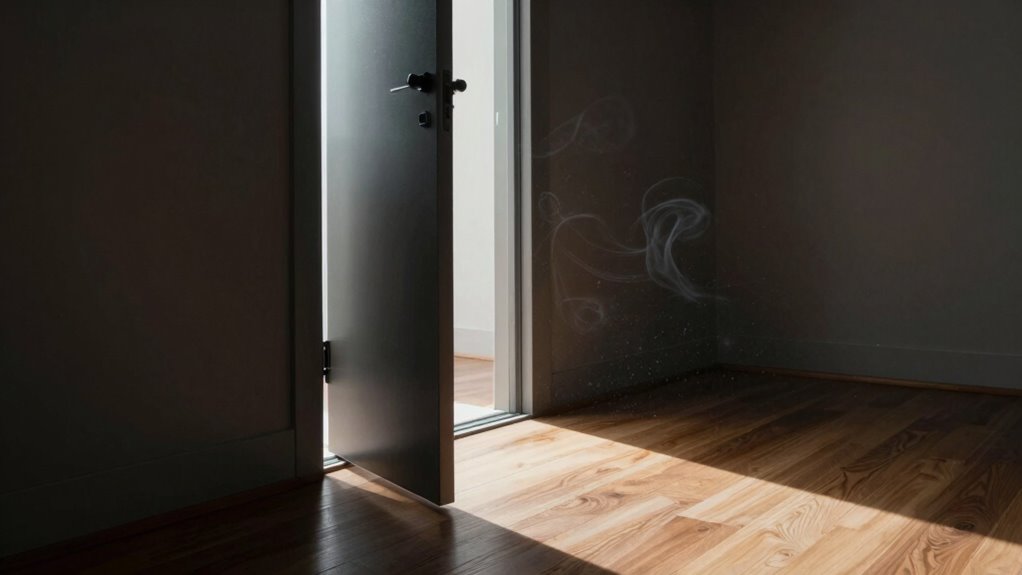
Closing a door isolates the room, affecting pressure and airflow, which can impact ventilation and air quality.
This change in air pressure has a direct impact on ventilation efficiency. Proper ventilation relies on the movement of air to remove pollutants, control humidity, and maintain fresh air levels. When doors are closed, the airflow pathways are restricted, reducing the overall efficiency of your ventilation system. You might notice this as stuffiness, lingering odors, or even dry or damp spots, depending on your environment. The lack of airflow can also lead to uneven temperature distribution, making some areas warmer or cooler than others.
Furthermore, the more doors you close, the more isolated each room becomes, creating pressure zones that disrupt the natural flow of air. This can be especially problematic in larger spaces or buildings with complex ventilation systems, where air needs to circulate freely for maximum performance. In these cases, closing multiple doors can greatly decrease ventilation efficiency, leading to poorer air quality and increased energy costs since your HVAC system works harder to compensate for the reduced airflow. Additionally, air pressure differences can cause drafts and discomfort, further impacting indoor air quality. Understanding how air pressure interacts with ventilation helps you optimize airflow and maintain healthier indoor environments. Maintaining proper pressure balance is crucial to ensuring effective ventilation and air quality.
Understanding how closed doors influence air pressure and ventilation helps you make smarter decisions about airflow management. Opening a door or installing vents between rooms can help equalize pressure, improve airflow, and boost overall ventilation efficiency. In fact, pressure zones created by closed doors can significantly hinder air circulation, emphasizing the importance of maintaining open pathways whenever possible. Recognizing the importance of ventilation pathways can help you create a more balanced indoor environment. So next time you close a door, think about the unseen impact it has on your space’s air dynamics. Small actions like leaving doors slightly ajar or enhancing ventilation pathways can make a noticeable difference in maintaining healthier, more comfortable environments.

INTERNAL VENTS Door Vent for Interior Doors 16 7/8" x 3" – Two Sided Door Louvers | for Bathroom, Cabinet | Plastic air Vent Grille | Outer Dimensions 17 3/4" x 3 5/8" for 16 7/8" x 3" Opening (White)
Two sided door air vent grille for free air circulation between rooms
As an affiliate, we earn on qualifying purchases.
As an affiliate, we earn on qualifying purchases.
Frequently Asked Questions
How Does a Closed Door Affect Indoor Air Quality?
When you close a door, it markedly impacts indoor air quality by restricting air circulation between rooms. This can trap odors, pollutants, and humidity, making the air feel stale. Without proper airflow, contaminants can build up, affecting your health and comfort. To improve odor control and maintain fresh air, consider using vents or air purifiers, especially in rooms that are closed off for extended periods.
Can Sealing Doors Improve Energy Efficiency?
Sealing doors can markedly boost your home’s energy efficiency—up to 15% savings on heating and cooling costs. When you focus on door insulation and sealing gaps, you prevent air leaks that waste energy. This keeps warm air inside during winter and cool air during summer, reducing strain on your HVAC system. You’ll enjoy a more comfortable, cost-effective home, and you’ll help lower your energy footprint effortlessly.
Do Door Materials Impact Airflow Dynamics?
Yes, door materials profoundly impact airflow dynamics. For example, solid doors with good insulation and soundproofing block airflow more effectively than hollow or porous doors. The material’s insulation properties help control temperature and air movement, reducing drafts and unwanted airflow. If you’re aiming to improve airflow control, choose doors with dense materials that enhance soundproofing and insulation, ensuring better regulation of air circulation and energy efficiency in your space.
How Does Door Position Influence Ventilation?
Your door position directly influences ventilation by altering air pressure and airflow pathways. When you close a door, it limits airflow between rooms, causing pressure differences that redirect air through other routes like vents or open windows. Opening or closing doors strategically can enhance or restrict airflow, making ventilation more efficient. Understanding this helps you manage indoor air quality by controlling how air moves throughout your space.
Are There Safety Concerns With Airflow Restrictions?
Yes, airflow restrictions can raise safety concerns, especially regarding privacy issues and noise control. When doors are closed, airflow slows, which might trap fumes or reduce ventilation, posing health risks. Additionally, closed doors can hinder communication during emergencies or safety drills. You should consider these factors and guarantee proper ventilation and communication systems are in place to address privacy issues and noise control while maintaining safety.

8194001 Dishwasher Door Balance Link Kit and Door Spring Fit for Amana Jenn-Air Kenmore KitchenAid Maytag Whirlpool Replace 1059756 8270018 8270020 8270021 8270022 8524474
Excellent Durability: Dishwasher door balance chain kit and door spring adopt a high-strength metal spring and plastic combination…
As an affiliate, we earn on qualifying purchases.
As an affiliate, we earn on qualifying purchases.
Conclusion
So, surprise yourself by staying savvy about small shifts, like a sealed door. Don’t dismiss the dynamics of doors—deliberate or not—that deeply direct drafts, dampen airflow, and disrupt comfort. By paying attention to such simple, silent switches, you can control convection and create a cooler, calmer, more consistent climate. Remember, a small shift in a sealed space subtly, but markedly, shifts your surroundings, steering your environment with smarter, smoother, and more strategic airflow.

Portable Sliding Door Air Conditioner Kit, New Upgrade Door AC KIT, Adjustable AC Sliding Door Vent Kit 16.9 Inches – 90 Inches, with 2pack 3m seal, Suit for 5.9''/15cm Exhaust Hose
Product Includes: our silding door seal panels kit includes 6 plates, 1 coupler,1 bird guard, 6 screw accessories,…
As an affiliate, we earn on qualifying purchases.
As an affiliate, we earn on qualifying purchases.

MAXTID Large Door Draft Stopper for Bottom of Doors 36” Under Door Sweep Noise Blocker Black Gap Stoppers Adjustable Doors Seal Sweep Guard Draft, Window Breeze Stoppers, Home Essentials Gadgets
Large door draft stopper foam is 2 inches in diameter, which is larger than most sellers' foam and…
As an affiliate, we earn on qualifying purchases.
As an affiliate, we earn on qualifying purchases.